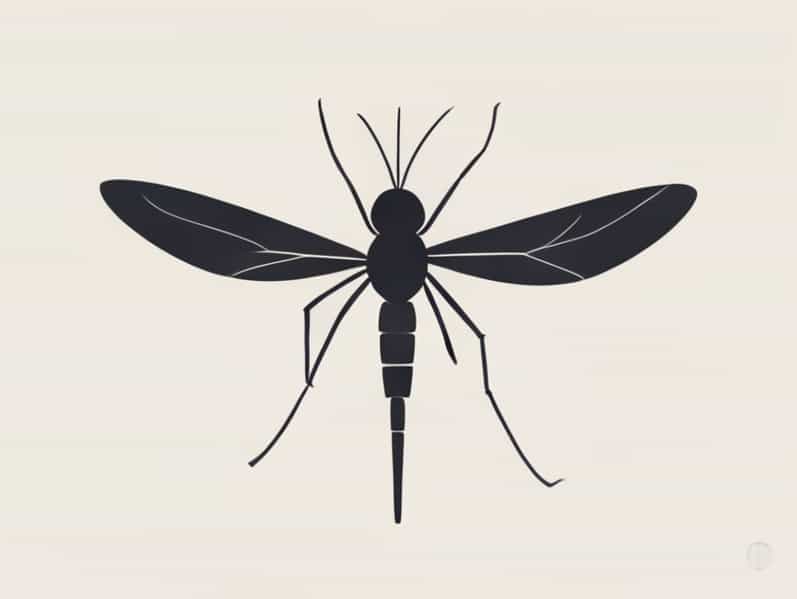
Many scientific words can feel intimidating when you first encounter them, especially those related to biology and disease. One example is the term female Anopheles mosquito, a phrase often mentioned in discussions about malaria. While the insect itself is widely known, many people are unsure how to pronounce the name correctly. Understanding the correct female Anopheles mosquito pronunciation not only improves communication but also helps learners feel more confident when talking about science, health, or environmental topics.
Understanding the Word Anopheles
The word Anopheles refers to a genus of mosquitoes, and only the female Anopheles mosquito is responsible for transmitting malaria. Because the term comes from Greek linguistic roots, its pronunciation may feel unfamiliar to English speakers. However, breaking the term into parts makes it much easier to say.
Phonetic Breakdown
The pronunciation of Anopheles is commonly given as
uh-NOF-uh-leez
This pronunciation features four syllables, with the stress falling on the second syllable, NOF.
Why the Pronunciation Feels Challenging
Many people mispronounce the word because English speakers often expect certain letter combinations to follow common rules. The ph in Anopheles produces an f sound, and the final -es sounds like eez. Once learners understand these components, the term becomes clearer and easier to use.
Pronouncing the Full Phrase Female Anopheles Mosquito
When the full phrase is spoken together, the pronunciation flows naturally. It can be written phonetically as
FEE-meyl uh-NOF-uh-leez muh-SKEE-toh
Because the phrase is longer, maintaining rhythm helps ensure each part is pronounced correctly. Most speakers place emphasis on FEE-meyl and NOF while allowing the rest of the phrase to follow smoothly.
Step-by-Step Pronunciation Guide
- FemalePronounced FEE-meyl.
- AnophelesPronounced uh-NOF-uh-leez.
- MosquitoPronounced muh-SKEE-toh.
Practicing each part separately and then combining them helps learners master the full pronunciation with confidence.
Common Mispronunciations
Because the word Anopheles is not part of everyday vocabulary, many speakers guess how to say it. Several incorrect forms appear frequently, especially among students, children, or people new to scientific terminology.
Examples of Incorrect Pronunciations
- AN-oh-fells mosquito
- uh-NO-feel-eez mosquito
- an-OFF-uh-less mosquito
These variations show how English speakers try to apply more familiar patterns to an unfamiliar word. However, learning the correct female Anopheles mosquito pronunciation helps avoid confusion, especially in scientific or medical discussions.
Why Pronunciation Matters in Science Communication
Clear pronunciation plays a major role in fields such as public health, biology, and environmental education. Mispronounced technical terms can disrupt understanding, especially when communicating with students, colleagues, or the general public. Saying female Anopheles mosquito correctly shows attentiveness to detail and improves clarity when discussing malaria prevention, mosquito control, or disease transmission.
Benefits of Correct Pronunciation
- Improves confidence during presentations or discussions
- Enhances credibility in academic and professional environments
- Supports accurate scientific communication
- Helps avoid misunderstandings when explaining vector-borne diseases
Whether a person is a student, a teacher, a healthcare worker, or simply someone curious about science, proper pronunciation ensures smooth and accurate communication.
Background of the Female Anopheles Mosquito
Understanding what the female Anopheles mosquito is may also help learners connect the word with its real-world meaning. Anopheles mosquitoes are best known for their role in transmitting malaria, one of the most widespread and serious diseases in many parts of the world.
Key Characteristics
- Only female Anopheles mosquitoes transmit malaria because they need blood for egg production.
- They are active mostly during nighttime hours.
- More than 400 species of Anopheles mosquitoes exist, but only some transmit disease.
- They thrive in warm, humid environments.
Knowing these facts gives context to the term, making the pronunciation feel more meaningful and easier to remember.
How to Remember the Pronunciation Easily
Learning complex scientific words becomes much easier when using memory tricks. With a word like Anopheles, simple strategies can help reinforce the correct pronunciation.
Helpful Memory Tips
- Think of NOF as the strong middle sound this is where the emphasis goes.
- Break the word into four parts a NOF uh leez.
- Practice saying it slowly, then increase speed gradually.
- Repeat the phrase aloud a few times to build confidence.
These techniques help speakers pronounce the phrase naturally while avoiding common errors.
Using the Phrase in a Sentence
Practicing the female Anopheles mosquito pronunciation becomes easier when using it in context. Here are some sample sentences demonstrating natural usage
- The female Anopheles mosquito is responsible for spreading malaria.
- Researchers are studying how climate change affects the population of female Anopheles mosquitoes.
- Understanding the biology of the female Anopheles mosquito is essential for disease control.
- Many students struggle with the pronunciation of ‘Anopheles,’ but it becomes easy with practice.
By repeating sentences like these, learners not only improve pronunciation but also strengthen their knowledge of the subject.
Why the Emphasis Matters
In English, especially with scientific words borrowed from Greek or Latin, stress placement can completely change the word’s clarity. When the stress falls on the wrong syllable, the listener may struggle to recognize the term, even if all sounds are technically present.
The Correct Stress Pattern
Anopheles places stress on the second syllableuh-NOF-uh-leez.
This emphasis helps the word sound natural and correctly formed according to scientific pronunciation guidelines.
Pronunciation Differences in Accents
Although English learners aim for the standard pronunciation, slight variations can appear depending on accent. American, British, and other English-speaking regions may differ in rhythm, but the basic structure remains the same.
Regional Variations
- American Englishuh-NOF-uh-leez
- British Englishuh-NOFF-uh-leez (slightly stronger o sound)
- Other accentsmay vary slightly but still follow the primary stress pattern
Despite these variations, the core pronunciation remains consistent enough for global understanding.
Improving Pronunciation Skills for Scientific Terms
Learning how to pronounce scientific vocabulary like female Anopheles mosquito builds confidence for further study. As scientific literature often contains Latin- and Greek-derived words, mastering pronunciation strategies helps learners progress more easily.
Tips for Continued Improvement
- Break unfamiliar words into phonetic parts.
- Listen to expert speakers whenever possible.
- Practice aloud rather than silently.
- Use repetition to develop natural rhythm.
Over time, even complex technical terms become comfortable to pronounce.
Mastering the female Anopheles mosquito pronunciation is an important step for anyone studying biology, health sciences, or environmental topics. By breaking the term into parts, understanding the correct stress pattern, and practicing regularly, speakers can pronounce the phrase confidently and accurately. Clear pronunciation supports better communication, deeper learning, and stronger engagement with scientific concepts.