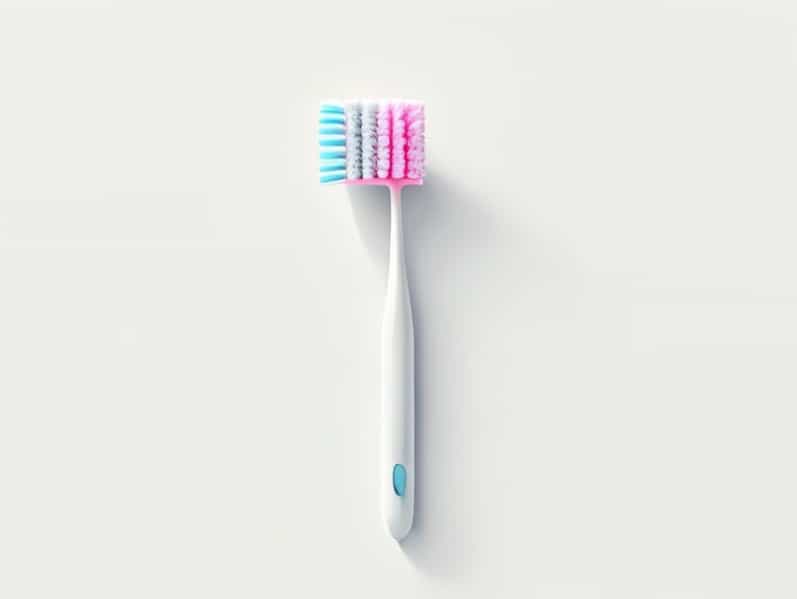
Maintaining oral hygiene is one of the most essential parts of a healthy lifestyle, and choosing the right toothbrush plays a significant role in it. Many people often overlook the importance of bristle type when selecting a toothbrush. However, for those with sensitive gums or delicate enamel, using an extra soft bristle toothbrush can make a noticeable difference. This type of toothbrush is designed to clean teeth effectively while providing a gentle touch that protects the gums and enamel from damage. Understanding the benefits and proper use of an extra soft bristle toothbrush can help improve overall dental health and comfort.
What Is an Extra Soft Bristle Toothbrush?
An extra soft bristle toothbrush is a dental care tool specifically designed for individuals who require gentle brushing. The bristles are made thinner and more flexible than standard soft or medium toothbrushes, allowing them to glide smoothly over the gums and teeth. Unlike harder brushes that can cause irritation or bleeding, extra soft bristles provide effective plaque removal without being abrasive.
This type of toothbrush is often recommended by dentists for people with gum sensitivity, enamel erosion, or after certain dental treatments such as surgery, scaling, or whitening. Because of its mild touch, it helps maintain oral cleanliness without causing pain or further irritation to sensitive areas.
Benefits of Using an Extra Soft Bristle Toothbrush
Switching to an extra soft bristle toothbrush can bring many benefits beyond just comfort. It can significantly improve gum health, prevent enamel wear, and enhance your overall brushing experience. Below are some key advantages of using one.
1. Gentle on Gums
One of the most important benefits of an extra soft toothbrush is its gentle nature. People with receding gums or gingivitis often experience pain and bleeding when brushing with regular brushes. The ultra-soft bristles help prevent this issue by providing a smooth and mild cleaning action. They reduce pressure on the gum line while still effectively removing plaque and food debris.
2. Protects Tooth Enamel
Enamel is the outermost protective layer of your teeth, and once it wears away, it cannot regenerate. Using a medium or hard-bristled brush can cause micro-scratches on enamel, leading to sensitivity and damage over time. An extra soft bristle toothbrush ensures thorough cleaning without scratching or weakening the enamel surface. This makes it ideal for people with sensitive teeth or those who brush vigorously.
3. Ideal for Post-Dental Procedures
After dental treatments like gum surgery, fillings, or professional cleanings, the mouth can feel tender and sensitive. Using an extra soft toothbrush helps maintain hygiene without disturbing healing tissues. Its soft bristles clean around surgical areas gently, reducing the risk of infection while keeping the mouth fresh and clean.
4. Suitable for Children and the Elderly
Children’s gums and teeth are still developing, making them more sensitive to hard bristles. Similarly, older adults may experience gum recession or dental restorations that require delicate care. An extra soft bristle toothbrush is perfect for both age groups, ensuring proper oral hygiene while preventing discomfort.
When to Use an Extra Soft Bristle Toothbrush
Although an extra soft toothbrush is gentle, it may not be necessary for everyone. However, it becomes essential in certain situations. You should consider using one if you experience any of the following
- Bleeding gums or early signs of gum disease (gingivitis)
- Tooth sensitivity to hot or cold foods
- Receding gums or exposed tooth roots
- Recent dental surgeries or treatments
- Worn-down enamel or tooth abrasion
- Chronic dry mouth or delicate oral tissues
In these cases, using an extra soft bristle toothbrush can help relieve discomfort while maintaining oral cleanliness effectively.
Choosing the Right Extra Soft Toothbrush
When selecting an extra soft bristle toothbrush, a few factors should be considered to ensure it meets your dental needs. Not all toothbrushes labeled extra soft are the same, so paying attention to details can make a big difference in comfort and performance.
1. Bristle Design
Look for a toothbrush with densely packed, rounded-tip bristles. Rounded bristle tips are less likely to cause gum irritation and can clean along the gum line more efficiently. Some modern designs include micro-fine or feathered bristles that can reach between teeth and below the gum line for a deeper clean.
2. Brush Head Size
A smaller brush head can reach tight areas in the mouth, especially near molars and around dental work. If you have a small mouth or braces, a compact head allows better maneuverability and control. A larger brush head may cover more area but could be harder to use in narrow spaces.
3. Handle Comfort
The handle design also matters, as it influences grip and brushing control. Ergonomically designed handles help prevent slipping and allow for gentle, consistent brushing pressure. For children or people with arthritis, a thicker handle can make brushing easier and more comfortable.
4. Manual vs. Electric
Extra soft bristle toothbrushes are available in both manual and electric versions. Manual brushes allow for more control, while electric brushes can provide consistent motion with minimal effort. Electric versions often feature pressure sensors that alert users when brushing too hard, which can be beneficial for sensitive gums.
Proper Brushing Technique with an Extra Soft Toothbrush
Using the right technique is just as important as choosing the right toothbrush. An extra soft bristle toothbrush should be used gently to achieve effective cleaning without harming the gums or enamel. Here’s how to brush properly
- Hold the toothbrush at a 45-degree angle to your gums.
- Use short, gentle circular motions instead of back-and-forth scrubbing.
- Brush each tooth surface outer, inner, and chewing areas for at least two minutes in total.
- Don’t forget to brush your tongue to remove bacteria and freshen breath.
- Replace your toothbrush every three months or when bristles begin to fray.
Consistency is key. Brushing twice daily, combined with flossing and rinsing, ensures optimal oral hygiene and prevents common dental issues.
Common Myths About Soft Toothbrushes
There are several misconceptions surrounding extra soft bristle toothbrushes. Some people believe that softer bristles don’t clean effectively or that they’re only meant for children. In reality, soft and extra soft toothbrushes are recommended by most dentists for everyday use because they provide adequate cleaning while protecting gum tissue.
Another myth is that harder bristles remove plaque better. Studies show that brushing technique and duration are far more important than bristle stiffness. In fact, hard bristles can damage enamel and cause gum recession if used aggressively. Therefore, using an extra soft bristle toothbrush is both safe and effective for maintaining healthy teeth and gums.
How Extra Soft Toothbrushes Contribute to Long-Term Oral Health
Regular use of an extra soft bristle toothbrush supports long-term oral health by minimizing damage to teeth and gums. Over time, gentle brushing reduces inflammation, sensitivity, and enamel wear. It helps maintain a balanced oral microbiome, preventing cavities and gum disease. Furthermore, consistent care using a gentle brush encourages good brushing habits since it makes the experience more pleasant and less painful for sensitive users.
Choosing an extra soft bristle toothbrush is a simple yet impactful step toward better oral hygiene. Its gentle bristles protect delicate gums and enamel while providing effective cleaning. Whether you have sensitive teeth, recent dental work, or simply prefer a softer brushing experience, this type of toothbrush ensures comfort without compromising cleanliness. With the right technique and consistent use, an extra soft bristle toothbrush can help maintain a healthy smile for years to come, proving that gentle care is often the best care for your teeth and gums.