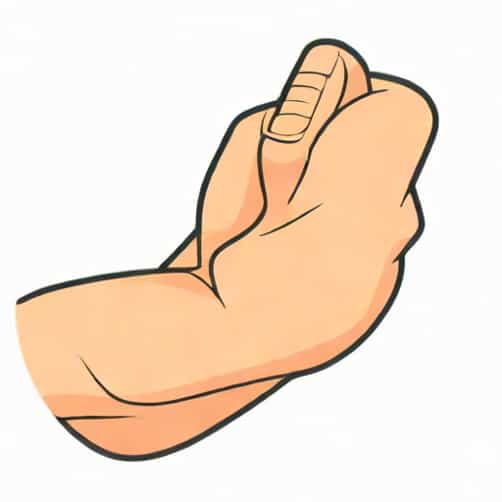
The human elbow is a complex hinge joint that plays a crucial role in the mobility and functionality of the upper limb. One of the most common positions for the elbow in daily activities, medical assessments, and exercise routines is when it is flexed at 90 degrees. This specific angle is particularly important because it allows for an optimal balance between range of motion, muscle engagement, and joint stability. Understanding the anatomy, biomechanics, and practical applications of the elbow flexed at 90 degrees is essential for anyone involved in health, fitness, rehabilitation, or ergonomics.
Anatomy of the Elbow Joint
The elbow joint consists of three bones the humerus of the upper arm, and the radius and ulna of the forearm. These bones form two main articulations the humeroulnar joint and the humeroradial joint. The humeroulnar joint allows for the primary hinge motion of flexion and extension, while the humeroradial joint supports rotation of the forearm, such as pronation and supination. Ligaments, tendons, and muscles surrounding the joint provide stability and facilitate movement, making precise angles, such as 90 degrees of flexion, critical for functional activities.
Muscles Involved in 90-Degree Elbow Flexion
When the elbow is flexed at 90 degrees, several muscles are actively engaged to maintain the position. The primary muscle responsible for flexion is the biceps brachii, which not only flexes the elbow but also contributes to forearm supination. The brachialis, located underneath the biceps, assists in pure elbow flexion, while the brachioradialis stabilizes the forearm and contributes to flexion when the hand is in a neutral position. Triceps brachii, in contrast, acts as the main extensor of the elbow but remains relaxed during flexion.
Biomechanics of 90-Degree Flexion
Flexing the elbow to 90 degrees creates a biomechanically advantageous position for lifting, carrying, and performing precision movements. At this angle, the mechanical leverage of the flexor muscles is optimized, allowing individuals to exert maximal force with minimal joint strain. This position also minimizes stress on the anterior capsule of the elbow, reducing the risk of injury during activities such as weightlifting or daily lifting tasks. Additionally, the 90-degree flexion is commonly used in ergonomic assessments because it places the forearm and upper arm in a neutral, stable position that supports efficient muscle recruitment.
Clinical Importance
In clinical settings, the elbow flexed at 90 degrees is frequently used for assessment, treatment, and rehabilitation purposes. Healthcare professionals often use this position to measure range of motion, test muscle strength, or administer procedures such as blood draws and injections. For instance, flexing the elbow at 90 degrees during a venipuncture provides better access to veins in the antecubital fossa. Physical therapists also rely on this angle for strengthening exercises targeting the biceps, brachialis, and brachioradialis while minimizing stress on the joint structures.
Common Exercises with Elbow Flexed at 90 Degrees
Many exercises incorporate a 90-degree elbow flexion to enhance muscle strength, stability, and endurance. These exercises can be categorized into resistance training, rehabilitation, and functional movements.
- Bicep CurlsPerforming bicep curls with the elbow flexed at 90 degrees ensures consistent tension on the biceps and improves muscle activation.
- Isometric HoldsHolding a weight with the elbow flexed at 90 degrees creates isometric contraction that strengthens the muscles without movement, which is particularly useful in rehabilitation.
- Forearm StabilizationExercises such as holding a dumbbell or resistance band with the elbow at 90 degrees help train forearm stability and grip strength.
Functional Applications
The elbow flexed at 90 degrees is not only important in exercise but also in daily functional activities. Simple tasks such as holding a phone, carrying groceries, or eating all benefit from this optimal angle. The 90-degree position allows for controlled movements, reduces fatigue, and enhances efficiency. Ergonomic experts recommend maintaining this elbow angle when using keyboards or performing desk-based work to minimize repetitive strain injuries and promote musculoskeletal health.
Injury Prevention and Safety Considerations
Maintaining proper elbow mechanics is crucial to prevent overuse injuries, tendonitis, or ligament strain. When performing repetitive tasks or lifting objects, keeping the elbow flexed at approximately 90 degrees ensures the muscles are in a position that maximizes strength while minimizing joint stress. Athletes and individuals in physically demanding occupations benefit from training in this position to maintain stability and prevent hyperextension or overloading of the joint structures.
Rehabilitation and Recovery
For individuals recovering from elbow injuries, such as sprains, strains, or post-surgical rehabilitation, the 90-degree elbow flexion serves as a foundational position for early-stage exercises. Controlled flexion at this angle allows gradual strengthening of the biceps, brachialis, and surrounding stabilizers without compromising healing ligaments or tendons. Therapists often prescribe exercises that involve holding, lifting, or slowly extending the forearm from the 90-degree position to promote joint mobility and muscle recovery.
Measuring and Assessing Elbow Flexion
To accurately measure elbow flexion at 90 degrees, clinicians use tools such as goniometers. A goniometer is a device that measures joint angles, allowing precise assessment of range of motion. Proper assessment involves aligning the goniometer with the humerus and forearm, ensuring the fulcrum is placed at the elbow joint. Consistent measurement helps track progress in strength, flexibility, and rehabilitation outcomes. Monitoring the elbow at this specific angle provides critical data for healthcare professionals designing treatment or training programs.
Ergonomic Considerations
In office or industrial settings, ergonomics often emphasize the importance of elbow positioning. A 90-degree flexion angle is considered ideal for tasks requiring sustained forearm use, such as typing, writing, or operating machinery. Maintaining this position reduces strain on muscles, joints, and tendons, promoting long-term musculoskeletal health and preventing conditions such as repetitive strain injury or carpal tunnel syndrome. Adjustable chairs, workstations, and armrests are designed to support this angle for optimal comfort and efficiency.
The elbow flexed at 90 degrees is a vital position that balances strength, stability, and functionality in both daily life and specialized activities. Understanding the anatomy, biomechanics, and applications of this angle helps individuals maximize performance, reduce injury risk, and maintain joint health. Whether in exercise, clinical assessment, rehabilitation, or ergonomic design, maintaining proper elbow flexion enhances overall upper limb efficiency. Awareness of muscle involvement, proper posture, and controlled movements ensures that the elbow remains strong and functional throughout life.
Overall, the 90-degree elbow flexion serves as a foundation for many activities, from simple daily tasks to advanced training and therapeutic exercises. By incorporating this knowledge into practice, individuals can improve muscle engagement, prevent joint stress, and maintain optimal functional capacity. Recognizing the importance of this specific elbow angle emphasizes the connection between proper biomechanics and long-term musculoskeletal health, highlighting the value of controlled and intentional movement in everyday life.