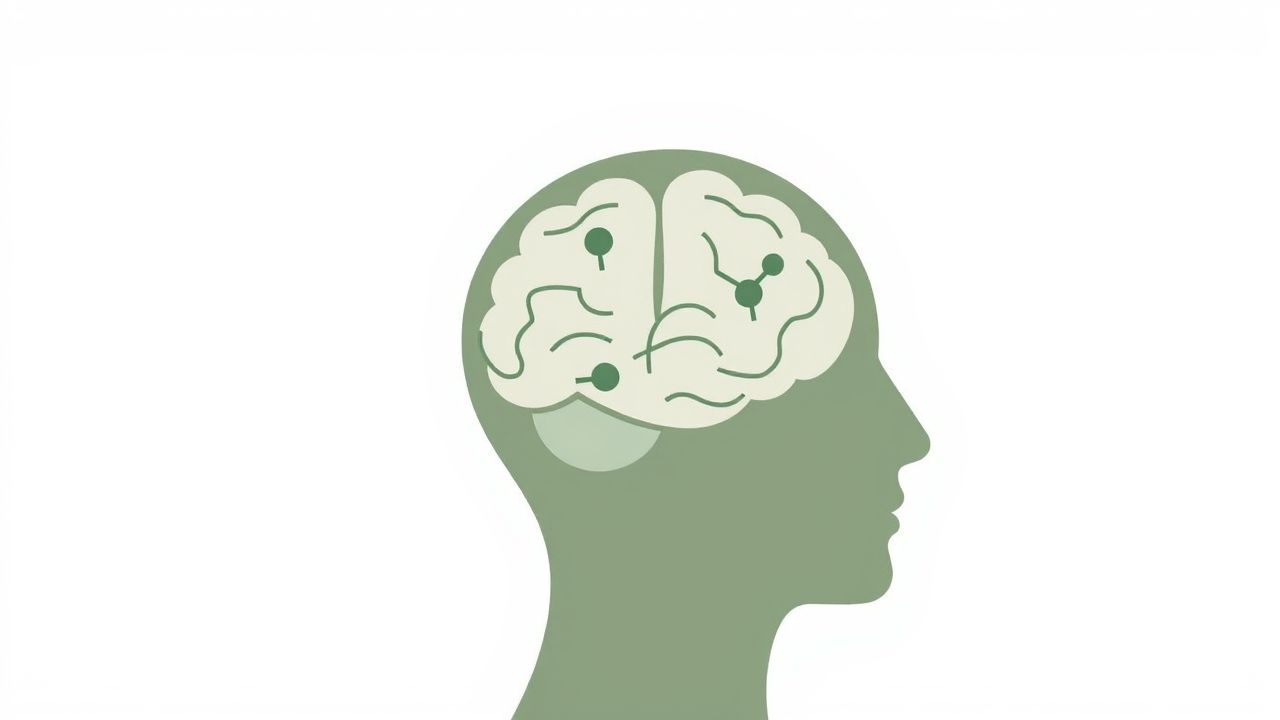
The effects of cannabinoids on the brain have been a subject of extensive scientific research and public debate for decades. Cannabinoids are chemical compounds found in the cannabis plant, and they interact with the body’s endocannabinoid system in unique ways. These interactions influence various mental and physical functions such as memory, mood, appetite, and pain perception. While some cannabinoids are naturally produced by the human body, the most well-known plant-derived cannabinoids, such as THC (tetrahydrocannabinol) and CBD (cannabidiol), have distinct effects that can be both beneficial and harmful depending on the context of use. Understanding how these substances work on the brain is crucial to forming an informed view about their potential medical uses, their risks, and their broader impact on health and society.
The Endocannabinoid System and Brain Function
The brain has a highly specialized system known as the endocannabinoid system, which plays a central role in regulating essential physiological and psychological processes. This system consists of endocannabinoids produced naturally by the body, receptors such as CB1 and CB2, and enzymes that break down cannabinoids after they have been used.
CB1 receptors are concentrated in the brain and central nervous system, particularly in regions linked to memory, mood, and motor control. CB2 receptors, on the other hand, are more prominent in the immune system. When plant-derived cannabinoids like THC bind to these receptors, they can alter the normal signaling of the brain, leading to changes in perception, emotions, and cognition.
THC and Its Psychoactive Effects
THC is the primary psychoactive compound in cannabis. Its impact on the brain can be felt almost immediately after use, especially when inhaled. THC binds strongly to CB1 receptors in the brain, producing a variety of psychological effects.
- Euphoria and relaxationMany users report a sense of happiness or calmness when consuming THC.
- Altered perceptionTHC can distort time perception, enhance sensory experiences, and in some cases, impair judgment.
- Cognitive impairmentHigh levels of THC can temporarily affect memory, focus, and decision-making skills.
- Increased appetiteOften called the munchies, THC stimulates hunger by interacting with brain regions controlling feeding behavior.
These effects are not uniform, as they depend on the dose, the method of consumption, and individual sensitivity. Chronic or heavy use of THC has been associated with longer-term risks such as dependence, reduced motivation, and in some cases, psychiatric symptoms.
CBD and Its Non-Psychoactive Influence
Unlike THC, cannabidiol (CBD) does not produce a psychoactive high. Instead, CBD is known for its potential therapeutic effects, making it a focus of modern medical research. It interacts differently with cannabinoid receptors and appears to modulate the brain’s signaling systems without the intoxicating effects of THC.
Some of the most studied effects of CBD on the brain include
- Reduction of anxiety and stress by influencing serotonin signaling.
- Potential neuroprotective properties, which may benefit conditions such as epilepsy and Alzheimer’s disease.
- Anti-inflammatory effects that support brain health by reducing neural damage caused by chronic inflammation.
These qualities have made CBD widely available in oils, capsules, and topical forms, although more research is needed to confirm its long-term safety and effectiveness.
Short-Term Effects of Cannabinoids on the Brain
In the short term, cannabinoids can produce a wide variety of noticeable effects. Some people use them recreationally for relaxation and sensory enhancement, while others use them therapeutically for relief from pain, insomnia, or nausea.
Short-term effects of cannabinoids may include
- Enhanced mood and creativity.
- Altered sensory perception.
- Short-term memory difficulties.
- Decreased coordination and motor skills.
- Reduced stress and anxiety in some individuals, but heightened anxiety in others.
The variability in effects comes from differences in cannabinoid type, concentration, and the individual’s tolerance or susceptibility to certain psychological responses.
Long-Term Effects and Risks
Regular or heavy use of cannabinoids, particularly THC, can lead to lasting changes in brain function. Adolescents and young adults are particularly vulnerable, as their brains are still developing. Studies have shown that early and frequent cannabis use may impact memory, attention span, and learning ability.
Some long-term risks include
- Increased risk of addiction or cannabis use disorder.
- Impaired motivation and reduced productivity, sometimes described as amotivational syndrome.
- Worsening symptoms of mental health conditions such as depression or schizophrenia in predisposed individuals.
- Reduced cognitive performance that may persist even after stopping cannabis use.
However, the severity of these effects often depends on the age at first use, the frequency of consumption, and genetic predispositions.
Medical Potential of Cannabinoids
Despite the risks, cannabinoids also show promising medical applications. Medical cannabis and cannabinoid-based drugs are being studied and used to treat a wide range of conditions. By targeting specific receptors in the brain, cannabinoids can offer therapeutic benefits without the harmful effects associated with some conventional medications.
Medical uses of cannabinoids include
- Pain management for chronic conditions such as arthritis or nerve damage.
- Reducing seizures in patients with epilepsy, especially forms resistant to standard treatments.
- Managing nausea and vomiting caused by chemotherapy.
- Supporting appetite in patients with HIV/AIDS or cancer.
Balancing these medical benefits with potential risks remains an important challenge for healthcare providers and researchers.
How Cannabinoids Influence Neurotransmitters
Cannabinoids also affect the brain’s neurotransmitter systems, which regulate communication between neurons. By altering the release of dopamine, serotonin, and GABA, cannabinoids can significantly impact mood, motivation, and stress response.
For example, THC often triggers dopamine release, creating feelings of reward and pleasure. This mechanism contributes to its potential for addiction. CBD, however, may counteract some of these effects, reducing the likelihood of negative psychological outcomes when both compounds are present together.
The effects of cannabinoids on the brain are complex, involving both risks and potential benefits. THC and CBD interact differently with the endocannabinoid system, producing distinct influences on mood, cognition, and health. While short-term effects can range from relaxation to altered perception, long-term use especially heavy use may contribute to cognitive decline and mental health challenges. At the same time, cannabinoids hold significant promise in medical treatment, offering new ways to address pain, seizures, and other serious conditions. A balanced understanding of their impact allows individuals and policymakers to make more informed decisions about their use in both medical and recreational contexts.