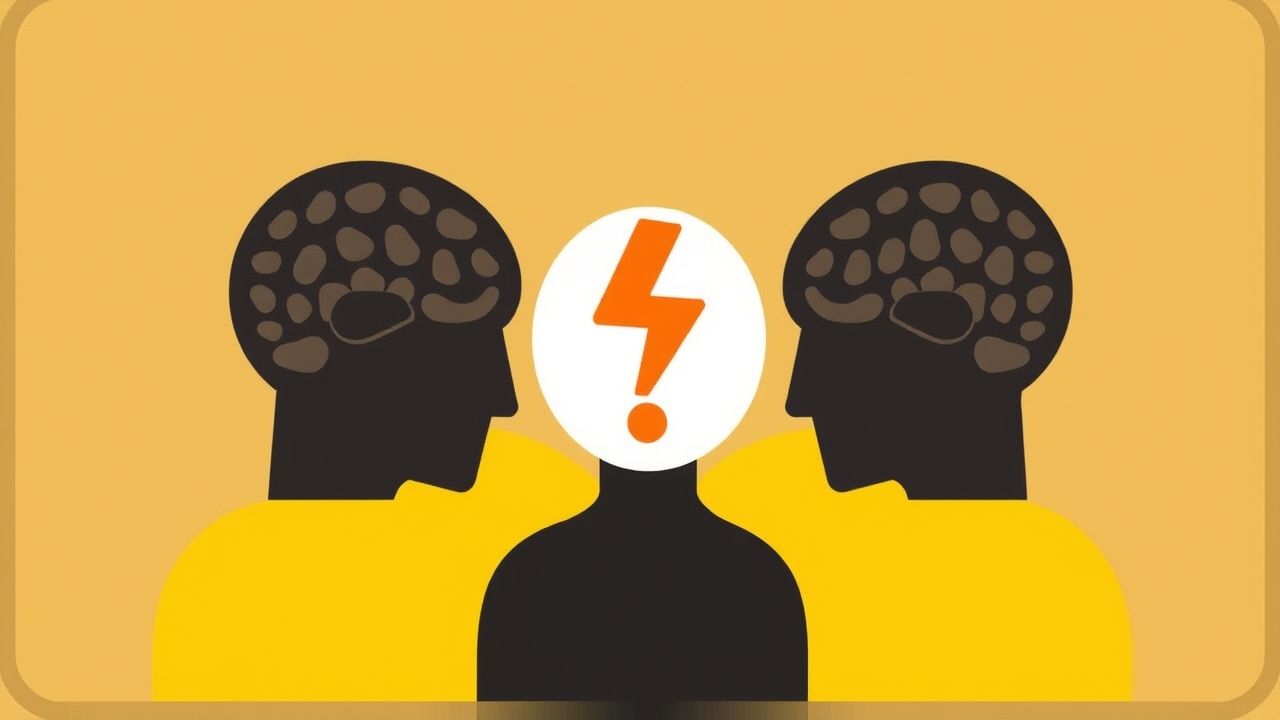
A concussion is more than just a bump on the head it is a type of traumatic brain injury that can have lasting consequences long after the initial incident. While some people recover within a few weeks, others experience lingering symptoms that may interfere with daily life, memory, mood, and overall health. Understanding the long-term effects of a concussion is essential for recognizing the seriousness of brain injuries and ensuring proper treatment and prevention strategies are followed.
Understanding What a Concussion Is
A concussion occurs when the brain is shaken inside the skull, usually due to a blow, fall, or sudden jolt. This disruption in normal brain function can cause symptoms like headaches, confusion, dizziness, and difficulty concentrating. While most people think of a concussion as temporary, the long-term impact can be significant, especially with repeated injuries or inadequate recovery time.
Common Long-Term Effects of a Concussion
Not everyone experiences the same long-term issues, but several common effects have been reported among individuals who suffer from concussion-related complications. These effects may last months or even years after the initial injury.
Cognitive Problems
One of the most frequent long-term effects of a concussion is cognitive impairment. People may notice difficulties with memory, attention, problem-solving, and processing information. These issues can affect work performance, academic success, and everyday responsibilities.
Emotional and Psychological Effects
A concussion does not only affect the brain physically it can also influence emotions and mental health. Some individuals develop mood disorders such as depression, anxiety, or irritability. Others report sudden mood swings, heightened stress levels, or feelings of hopelessness that were not present before the injury.
Persistent Headaches
Chronic headaches, often described as post-concussion headaches, can last for months or even years. These headaches may feel similar to migraines and can significantly interfere with daily life and productivity.
Sleep Disturbances
Another long-term impact is disrupted sleep. Some individuals develop insomnia, while others struggle with oversleeping or irregular sleep patterns. Poor sleep can further worsen other symptoms like fatigue, mood problems, and concentration difficulties.
Balance and Coordination Issues
The brain plays a major role in balance and coordination. After a concussion, some people notice dizziness, vertigo, or clumsiness that makes physical activity and mobility more challenging. This can also increase the risk of future falls or injuries.
Post-Concussion Syndrome
In some cases, symptoms last longer than the expected recovery period, leading to what is known as post-concussion syndrome. This condition involves a combination of persistent headaches, dizziness, fatigue, and cognitive issues. The severity varies, but it can affect quality of life for months or even years.
Risks of Multiple Concussions
While one concussion can already have long-term consequences, repeated concussions increase the risk of serious neurological issues. Athletes, military personnel, and individuals in physically demanding jobs are especially vulnerable. Multiple head injuries may lead to chronic traumatic encephalopathy (CTE), a progressive brain disease that causes memory loss, impaired judgment, and personality changes.
Impact on Daily Life
The long-term effects of a concussion can disrupt everyday routines and relationships. Simple tasks like concentrating on a book, remembering appointments, or managing emotions may become overwhelming. This can lead to frustration, social withdrawal, and a loss of independence for some individuals.
Work and School Challenges
Students may struggle with learning and keeping up in class, while adults may face difficulties performing job responsibilities. Reduced productivity and focus can make returning to normal routines stressful, often requiring accommodations or reduced workloads.
Relationships and Social Life
Changes in mood, personality, and behavior can strain friendships, family dynamics, and romantic relationships. Loved ones may not always understand the invisible nature of brain injury symptoms, which can lead to feelings of isolation.
Preventive Measures and Recovery
Although concussions cannot always be prevented, certain measures can reduce the risk and improve recovery outcomes.
- Wearing helmets during sports and recreational activities
- Using seatbelts and practicing safe driving
- Creating safe home environments to avoid falls
- Allowing enough time for recovery before returning to physical activities
- Following medical advice and attending follow-up appointments
Seeking Medical Attention
Early treatment plays a crucial role in minimizing the long-term effects of a concussion. Anyone experiencing symptoms like persistent headaches, confusion, memory problems, or mood changes should consult a healthcare provider. Doctors may recommend rest, rehabilitation therapies, counseling, or medications to help manage symptoms.
How Long-Term Effects Can Be Managed
Even when symptoms persist, there are ways to manage the impact of a concussion. Rehabilitation programs often focus on cognitive therapy, physical therapy, and psychological support. Lifestyle changes such as maintaining a regular sleep schedule, reducing screen time, and practicing stress management techniques can also make a difference.
Cognitive Rehabilitation
This form of therapy helps individuals improve memory, focus, and problem-solving skills. Structured exercises, brain training activities, and guided tasks can retrain the brain to function more effectively.
Emotional Support
Counseling and therapy provide valuable support for those dealing with depression, anxiety, or mood swings after a concussion. Emotional well-being is closely connected to physical recovery, making mental health care a vital component.
Physical Therapy
For individuals with balance or coordination issues, physical therapy can help restore mobility and reduce dizziness. Exercises tailored to each person’s condition improve stability and confidence in daily activities.
The long-term effects of a concussion can range from mild inconveniences to life-altering challenges. While some individuals recover fully, others continue to experience cognitive, emotional, and physical issues for years. Recognizing the seriousness of concussions, seeking early treatment, and following preventive measures are critical steps in reducing long-term risks. By raising awareness about the lasting impact of brain injuries, communities can better support those affected and encourage safer practices to protect brain health for the future.