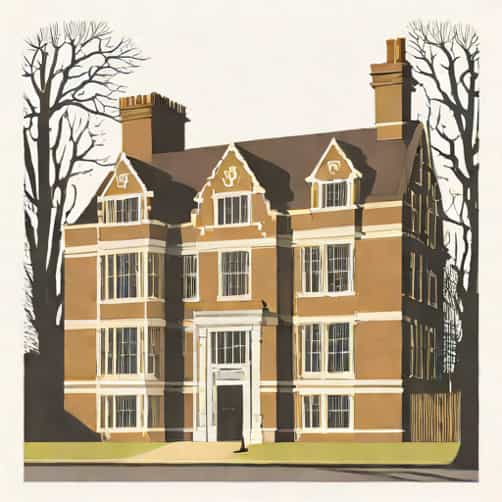
Edward Alleyn House, often known as the Dulwich Almshouse, carries a long history of charity, architecture, and community life in the heart of Dulwich Village. Its origins stretch back to the early seventeenth century when the English actor and philanthropist Edward Alleyn established a charitable foundation intended to support the elderly and those in need. Today, the almshouse continues to reflect its founder’s mission while standing as a physical reminder of centuries of social reform. The story behind this historic site involves more than brick and stone; it is a testament to the endurance of generosity, the evolution of public welfare, and the preservation of cultural heritage.
Origins of the Dulwich Almshouse
The Dulwich Almshouse began as part of Edward Alleyn’s grand philanthropic vision. Alleyn, famous for his acting career and contributions to English theatre, sought to use his wealth for a charitable institution that would endure long after his lifetime. His foundation eventually developed into what is known today as Alleyn’s College of God’s Gift, an organisation that included a school, chapel, and almshouse. Edward Alleyn House became a central part of this system as a residence for poor and elderly parishioners.
Edward Alleyn’s Philanthropic Mission
Edward Alleyn believed strongly in providing support for individuals who lacked the means to care for themselves. His almshouse served not only as shelter but as a sign of his commitment to communal responsibility. He envisioned a place where elderly residents could live with dignity, close to spiritual guidance and community involvement. Over the centuries, this mission has continued to guide administrators of the almshouse as it adapted to modern expectations of care and housing.
Historical Development Through the Centuries
Since its founding, Edward Alleyn House has undergone numerous transformations. As London expanded and Dulwich Village changed, the almshouse also evolved, balancing preservation with progress. While its purpose has remained consistent, the facilities, management, and architectural features have gradually adjusted to meet contemporary needs.
Architectural Evolution
The earliest structure of the almshouse reflects typical seventeenth-century design, featuring modest rooms arranged around communal spaces. As decades passed, renovations were made to improve access, safety, and comfort. Later in the nineteenth and twentieth centuries, expanded accommodation and modern utilities were added, ensuring the almshouse remained functional while still retaining historic character.
Changes in Social Welfare Practices
What began as a charitable home rooted in early modern social ideals now aligns with modern expectations of elder care and community-based support. This transformation mirrors wider shifts in British social welfare over the centuries. The almshouse model-once common throughout the country-has gradually become more specialised, with organisations like the Dulwich Almshouse adapting their approach to meet the emotional, medical, and social needs of residents today.
The Role of Edward Alleyn House in Dulwich Village
Beyond its function as housing, the almshouse holds cultural significance for Dulwich Village. It is a landmark that ties the present-day community to its historical roots. Many residents and visitors view the almshouse as symbolic of Dulwich’s long-standing commitment to education, charity, and community development.
Community Connections
- Local events and commemorations often highlight Edward Alleyn’s contributions to the area.
- The almshouse remains an integral part of the wider Alleyn educational and charitable foundation.
- Residents of the village frequently engage with its history through guided tours and heritage projects.
This continued community involvement helps preserve the legacy of the almshouse and ensures the values behind its founding remain relevant.
Life Inside the Dulwich Almshouse
While the Dulwich Almshouse is steeped in history, it also serves a practical purpose by providing comfortable, supportive housing for older individuals. Modern adaptations have improved living conditions while maintaining the tranquil atmosphere of Dulwich Village.
Supportive Environment
The almshouse offers a peaceful setting that fosters independence while providing residents access to assistance when needed. Although the specifics of contemporary services vary, the environment typically prioritises wellbeing, community connection, and security-qualities that align with Alleyn’s original intentions.
Community and Social Activities
Residents often participate in social gatherings, group activities, and shared events that strengthen relationships within the almshouse community. These interactions reinforce a sense of belonging while enriching the daily lives of those who live there.
The Lasting Legacy of Edward Alleyn
The story of Edward Alleyn House is inseparable from the life and values of its founder. Alleyn’s dedication to community welfare left a legacy that remains visible not only in the almshouse but in the broader charitable and educational institutions that stem from his original foundation. His vision continues to influence the identity of Dulwich, reminding people of the enduring impact that individual generosity can have across centuries.
A Heritage Worth Preserving
Historic places like the Dulwich Almshouse are more than architectural landmarks; they embody the stories, struggles, and aspirations of past communities. Preserving them allows future generations to understand how charity and social responsibility evolved over time. The continued relevance of Edward Alleyn House demonstrates that the basic need for compassion and community support remains unchanged.
Edward Alleyn House, the Dulwich Almshouse, stands as a powerful symbol of the lasting influence of philanthropy, community care, and historic preservation. From its seventeenth-century origins to its modern role in elder housing, the almshouse reflects centuries of social change while holding firm to the principles set forth by Edward Alleyn. Its story enriches the cultural identity of Dulwich Village and highlights the importance of supporting vulnerable members of society. Today, the almshouse remains both a functional residence and a monument to a tradition of generosity that continues to uplift the community around it.