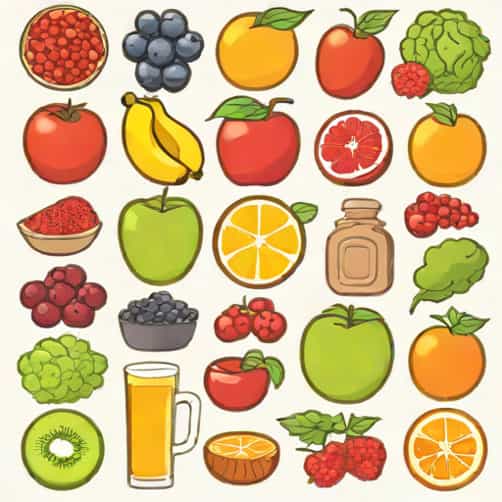
Eating antioxidant-rich foods is an essential part of maintaining a healthy lifestyle and supporting overall wellness. Antioxidants are compounds that help protect the body from oxidative stress caused by free radicals, which can damage cells and contribute to aging, inflammation, and chronic diseases. Incorporating foods high in antioxidants into your daily diet can promote better immune function, enhance energy levels, and reduce the risk of certain health issues. With a variety of fruits, vegetables, nuts, and other plant-based foods available, it is easier than ever to enjoy a diet rich in natural antioxidants while enjoying delicious and colorful meals.
What Are Antioxidants?
Antioxidants are molecules that neutralize free radicals in the body. Free radicals are unstable molecules produced naturally through metabolism, environmental exposures, and lifestyle factors such as stress, smoking, and pollution. When free radicals accumulate, they can cause oxidative stress, leading to cellular damage, premature aging, and a higher risk of diseases such as heart disease, diabetes, and cancer. Antioxidants work by donating electrons to stabilize free radicals, preventing them from causing harm. Vitamins, minerals, and plant compounds are common sources of antioxidants in the diet.
Types of Antioxidants
There are several types of antioxidants, each with unique health benefits and dietary sources
- Vitamin CFound in citrus fruits, strawberries, kiwi, and bell peppers, it supports immune function and skin health.
- Vitamin EPresent in nuts, seeds, and vegetable oils, it protects cell membranes from oxidative damage.
- Beta-caroteneA precursor to vitamin A, found in carrots, sweet potatoes, and leafy greens, supporting vision and skin health.
- SeleniumA trace mineral found in Brazil nuts, eggs, and seafood, it plays a role in antioxidant enzyme activity.
- Polyphenols and FlavonoidsPlant compounds found in berries, tea, cocoa, and red wine, known for their anti-inflammatory and heart-protective effects.
- LycopeneFound in tomatoes, watermelon, and pink grapefruit, it may reduce the risk of certain cancers and heart disease.
Benefits of Eating Antioxidant-Rich Foods
Consuming a diet high in antioxidants can provide numerous health benefits. These benefits extend beyond general wellness and can have a direct impact on long-term health outcomes
1. Protecting Against Chronic Diseases
Antioxidants help reduce oxidative stress, a factor linked to the development of chronic diseases such as cardiovascular disease, diabetes, and cancer. By neutralizing free radicals, antioxidants can lower inflammation, improve blood vessel function, and protect DNA from damage, which collectively support disease prevention.
2. Supporting Healthy Skin
Vitamin C, vitamin E, and other antioxidants play a crucial role in maintaining skin health. They help protect the skin from damage caused by UV exposure and environmental pollutants, support collagen production, and reduce signs of aging such as wrinkles and fine lines.
3. Boosting Immune Function
Antioxidant-rich foods strengthen the immune system by protecting white blood cells and supporting the body’s natural defense mechanisms. Regular consumption of fruits, vegetables, and other nutrient-dense foods helps the body fight off infections and recover faster from illnesses.
4. Enhancing Brain Health
Oxidative stress is linked to cognitive decline and neurodegenerative diseases such as Alzheimer’s. Antioxidants, particularly polyphenols found in berries, cocoa, and green tea, may help protect brain cells, improve memory, and support overall cognitive function.
Top Antioxidant-Rich Foods to Include in Your Diet
Incorporating antioxidant-rich foods into your daily meals can be both simple and enjoyable. Here are some of the best sources
- BerriesBlueberries, strawberries, raspberries, and blackberries are packed with flavonoids and vitamin C.
- Leafy GreensSpinach, kale, and Swiss chard are high in beta-carotene, vitamin C, and other antioxidants.
- Cruciferous VegetablesBroccoli, Brussels sprouts, and cabbage contain compounds like sulforaphane that support detoxification and antioxidant defenses.
- Nuts and SeedsAlmonds, walnuts, sunflower seeds, and chia seeds provide vitamin E and selenium.
- Tomatoes and Red FruitsTomatoes, watermelon, and red bell peppers are rich in lycopene and vitamin C.
- Green Tea and CocoaBoth are excellent sources of polyphenols and flavonoids that protect the heart and brain.
- Whole GrainsOats, quinoa, and brown rice contain antioxidant compounds such as ferulic acid and selenium.
Practical Tips for Maximizing Antioxidant Intake
Eating antioxidant-rich foods is easy when you incorporate these strategies into your daily routine
- Eat a variety of colorful fruits and vegetables to ensure a wide range of antioxidants.
- Include raw and lightly cooked vegetables, as some antioxidants are more bioavailable when cooked, while others are sensitive to heat.
- Snack on nuts, seeds, and berries throughout the day for convenient antioxidant boosts.
- Use herbs and spices like turmeric, cinnamon, oregano, and parsley to add both flavor and antioxidants to meals.
- Replace sugary snacks with antioxidant-rich options like dark chocolate or fruit to satisfy cravings healthily.
- Drink green tea or herbal teas rich in flavonoids as part of your daily hydration.
Common Myths About Antioxidants
There are several misconceptions about antioxidants that can lead to confusion. Understanding the facts can help you make informed dietary choices
- Antioxidants are not a cure-all While they support health, antioxidants alone cannot prevent all diseases.
- Supplements vs. food Whole foods provide a complex combination of antioxidants, fiber, and other nutrients, which is often more beneficial than isolated supplements.
- More is not always better Excessive supplementation can sometimes be harmful, while a balanced diet naturally provides optimal levels.
Incorporating Antioxidants Into Everyday Meals
Adding antioxidant-rich foods to meals does not have to be complicated. Simple approaches include
- Starting the day with a smoothie made from berries, spinach, and a splash of green tea.
- Adding colorful vegetables to omelets, stir-fries, and salads.
- Using nuts or seeds as toppings for yogurt, oatmeal, or salads.
- Choosing whole grain breads, rice, or pasta to increase antioxidant content in meals.
- Including a piece of fruit as a dessert or snack to naturally satisfy sweet cravings.
Eating antioxidant-rich foods is a simple yet powerful way to improve overall health, support immune function, protect the skin, and reduce the risk of chronic diseases. By incorporating a variety of colorful fruits, vegetables, nuts, seeds, whole grains, and beverages like green tea into daily meals, anyone can enjoy the benefits of antioxidants naturally. Understanding the different types of antioxidants and their sources helps you make informed choices that are both delicious and nutritious. Making antioxidants a regular part of your diet supports long-term wellness and can enhance energy, vitality, and overall quality of life, making it an essential component of healthy eating habits.