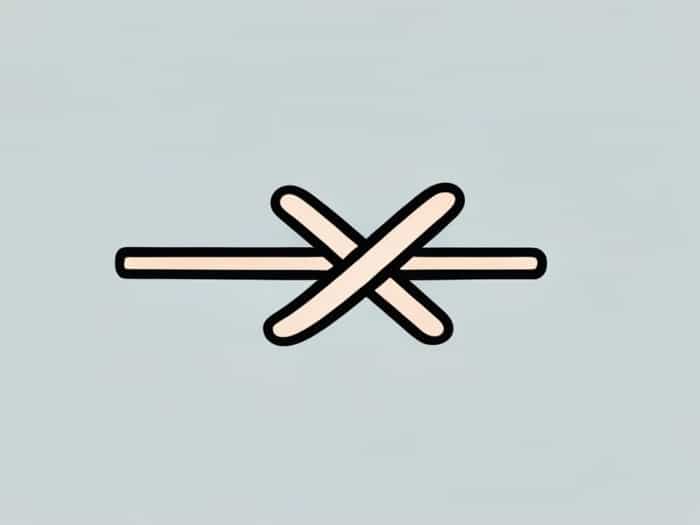
The double half hitch knot is a fundamental knot that is widely used in sailing, climbing, camping, and general rope work. Known for its simplicity and reliability, this knot allows users to secure a rope to a post, ring, or another line efficiently. Despite its basic structure, the double half hitch knot offers impressive strength and stability, making it a popular choice for both beginners and experienced outdoors enthusiasts. Learning how to tie and use this knot can greatly enhance your ability to handle various situations that require secure rope fastening, from setting up tents to creating temporary lashings or securing loads.
What is a Double Half Hitch Knot?
The double half hitch knot is essentially two consecutive half hitch knots tied around a standing line or object. A half hitch is a simple overhand loop around an anchor point, and doubling it adds extra security, reducing the chance of slippage. This knot is particularly favored when attaching a rope to a fixed object, such as a post, tree, or ring, because it balances ease of tying with dependable holding power. Its adaptability makes it useful in multiple contexts, including marine, outdoor, and survival applications.
History and Background
Rope knots have been used for thousands of years for transportation, construction, and navigation. The double half hitch knot, while simple in appearance, has historical roots in sailing and camping. Sailors used it to secure lines quickly to cleats or posts, while campers and hikers adopted it for tent guy lines and securing gear. Its enduring popularity stems from its versatility and the minimal skill required to tie it effectively.
How to Tie a Double Half Hitch Knot
Tying a double half hitch knot is straightforward, making it an ideal knot for beginners. The process involves wrapping the working end of the rope around the anchor and completing two half hitches in sequence. Each half hitch locks the rope in place and provides extra security. Below is a step-by-step guide to tying this knot
Step-by-Step Instructions
- Step 1Take the working end of the rope and pass it around the post or anchor point.
- Step 2Form a loop by bringing the working end over and under the standing line, then pass it through the loop to create the first half hitch.
- Step 3Repeat the same motion to form the second half hitch directly above the first, tightening both hitches snugly against the anchor.
- Step 4Adjust the knot as needed to ensure it is secure, making sure the hitches are tight and aligned properly.
Uses and Applications of the Double Half Hitch Knot
The double half hitch knot has numerous applications in everyday life, outdoor activities, and professional environments. Its strength and simplicity make it a preferred knot for securing loads, tying down equipment, and creating temporary fastenings. Some common uses include
Camping and Hiking
- Securing tent guylines to stakes or trees.
- Attaching tarps and shelters to poles or branches.
- Tying ropes for hanging food away from animals.
Boating and Sailing
- Fastening lines to cleats, posts, or rails.
- Securing fenders or mooring ropes.
- Temporary adjustments of rigging lines during sailing.
Climbing and Rescue
- Creating anchor points in non-critical applications.
- Attaching ropes to fixed objects when setting up safety lines.
- Supplementing other knots to enhance security.
Advantages of the Double Half Hitch Knot
The double half hitch knot offers several benefits, making it a go-to knot for many situations
- ReliabilityTwo consecutive half hitches provide a secure hold, reducing the risk of slippage under tension.
- SimplicityEasy to learn and tie, even for beginners.
- VersatilityCan be tied to posts, rings, or other ropes in various environments.
- AdjustabilityCan be loosened and retied quickly without damaging the rope.
Limitations to Consider
Despite its advantages, the double half hitch knot has some limitations. It may not be suitable for extremely heavy loads or life-critical climbing applications on its own, as it can slip under certain conditions. Additionally, synthetic ropes can sometimes reduce friction, slightly increasing the chance of loosening. In such cases, additional knots or hitches may be used to reinforce security.
Tips for Using the Double Half Hitch Knot Effectively
- Always use the correct rope size for your anchor; too thin a rope may slip.
- Tighten each half hitch firmly to ensure stability.
- Check the knot periodically if under prolonged tension or outdoor exposure.
- Combine with other knots, like the taut-line hitch, for adjustable tension applications.
The double half hitch knot is a simple yet versatile knot that serves a wide range of purposes, from outdoor camping and hiking to sailing and general rope work. Its ease of tying, combined with reliability and adjustability, makes it a fundamental skill for anyone handling ropes. By understanding the mechanics, proper tying techniques, and applications of the double half hitch knot, users can increase their confidence and efficiency in securing lines for both recreational and practical purposes. Whether you are a beginner learning your first knots or an experienced outdoors enthusiast, mastering the double half hitch knot is a valuable addition to your skill set.