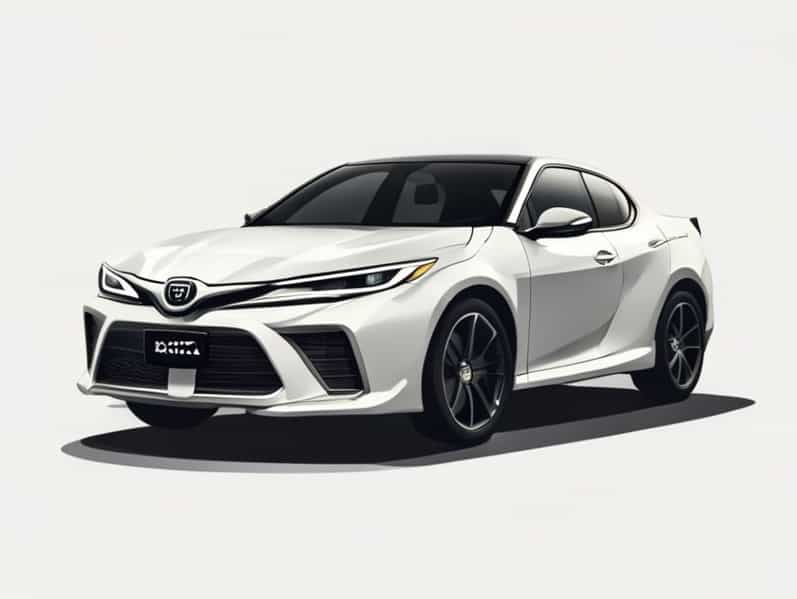
Many car enthusiasts and casual drivers alike often wonder, Does Toyota make Scion? The answer is yes Scion was a brand created and owned by Toyota Motor Corporation. It was introduced as a way to reach a younger audience in the North American market. Although Scion no longer exists as a separate brand, its roots and identity remain closely tied to Toyota. Understanding the story behind Scion helps explain how Toyota adapted to changing markets, experimented with youth-focused marketing, and ultimately decided to integrate Scion models back into its main lineup.
The Origins of Scion
Scion was launched by Toyota in 2003 in the United States. The name Scion means descendant or heir, reflecting the brand’s purpose as an offshoot of Toyota aimed at a new generation of drivers. Toyota created Scion to attract younger buyers who were looking for affordable, stylish, and customizable vehicles. At the time, Toyota’s image was reliable but conservative, and the company wanted a brand that could embody innovation and youthful energy.
Scion began as an experiment in marketing and design. Toyota executives noticed that younger consumers were interested in individuality and value but were not drawn to traditional car advertising. Scion responded with a unique approach, emphasizing lifestyle, creativity, and personalization. The brand was launched first in California a hub for automotive trends before expanding nationwide.
Scion’s Target Audience and Philosophy
The Scion brand was built on the concept of simplicity and transparency. It introduced a pure price policy, meaning the sticker price was the final price with no negotiation. This idea appealed to young buyers who disliked the traditional haggling process at car dealerships. Additionally, Scion vehicles were designed to be easily customizable, with a wide range of accessories and upgrade options available.
Toyota marketed Scion through nontraditional channels such as music festivals, art shows, and online communities. The goal was to connect with younger audiences on a cultural level rather than through traditional advertising. The brand’s slogan, What Moves You, captured its focus on self-expression and individuality.
Popular Scion Models
During its time, Scion produced several memorable and distinctive models that stood out from typical Toyota vehicles. Each model was designed with a specific lifestyle or personality in mind. Some of the most popular Scion cars included
- Scion xBKnown for its boxy design, the xB became a symbol of urban style and practicality. It was popular among city drivers who valued space and customization.
- Scion tCA sporty compact coupe that offered performance and affordability. It attracted young drivers who wanted a stylish car without a luxury price tag.
- Scion xDA small hatchback that combined efficiency with a youthful design, perfect for college students and first-time buyers.
- Scion FR-SA performance-oriented sports car developed in collaboration with Subaru, known as the Toyota 86 in other markets. The FR-S was celebrated for its rear-wheel drive and excellent handling.
Each of these models reflected Toyota’s engineering quality, but with an added layer of creativity and personality that made Scion stand out in the compact car market.
How Toyota Managed the Scion Brand
Although Scion was its own brand, it was fully owned and operated by Toyota. The vehicles were designed by Toyota engineers and often shared platforms, engines, and parts with existing Toyota or even Subaru models. The difference lay mainly in styling, branding, and marketing.
For instance, the Scion FR-S was essentially the same car as the Toyota 86 and Subaru BRZ, with minor differences in design and branding. Similarly, the Scion iA was based on the Mazda2 sedan, showing that Toyota collaborated with other automakers to create appealing models under the Scion name.
Dealerships selling Scion cars were typically Toyota dealers with dedicated Scion sections. This integration allowed Toyota to control quality and service while offering a unique buying experience for Scion customers. Toyota’s reputation for reliability and engineering excellence helped Scion gain credibility, even among younger consumers who were new to car ownership.
Marketing Innovation and Customer Engagement
One of the key aspects that made Scion special was its marketing strategy. Rather than relying on television commercials or traditional print media, Scion focused on digital engagement and community building. The brand sponsored art events, underground music shows, and street culture festivals. Scion’s marketing was about lifestyle rather than simple transportation.
This approach worked well for several years, making Scion a favorite among young adults who wanted something different from mainstream car brands. The company’s early success demonstrated Toyota’s ability to adapt to changing consumer behavior and experiment with new branding techniques.
The End of Scion and Its Legacy
Despite its innovative approach, Scion faced challenges as the years went by. The average age of car buyers in the U.S. continued to rise, and younger generations were becoming less interested in owning cars altogether. In addition, Toyota’s main brand started to modernize its own lineup, making Scion’s role less distinct.
In 2016, Toyota announced that it would discontinue the Scion brand. However, this did not mean the end of Scion cars. Instead, Toyota absorbed many of Scion’s models into its main lineup. For example
- The Scion iA became the Toyota Yaris iA.
- The Scion iM was renamed the Toyota Corolla iM and later evolved into the Toyota Corolla Hatchback.
- The Scion FR-S was rebranded as the Toyota 86, continuing its legacy as a beloved sports coupe.
This transition allowed Toyota to keep the successful aspects of Scion while streamlining its global branding strategy. The decision reflected Toyota’s understanding that brand identity evolves over time, and consumer trends can shift quickly in the automotive industry.
Scion’s Influence on Toyota’s Future
Although Scion as a brand no longer exists, its influence continues to shape Toyota’s modern approach to design, marketing, and customer engagement. Scion proved that Toyota could experiment with bold styling, youth-oriented branding, and innovative retail experiences. Many of the ideas tested through Scion have been applied to newer Toyota models, which now feature sportier designs and greater personalization options.
For example, Toyota’s recent emphasis on dynamic styling and driver-focused experiences in models like the Corolla Hatchback and GR86 reflects lessons learned from the Scion era. Even Toyota’s marketing has become more energetic and lifestyle-oriented, appealing to younger demographics without needing a separate brand.
Lessons Learned from Scion
- The importance of understanding consumer trends and cultural shifts.
- The value of creating affordable yet exciting cars for younger drivers.
- The benefit of maintaining flexibility in branding and product strategy.
- The role of experimentation in long-term innovation.
These lessons have helped Toyota stay relevant and forward-thinking in a highly competitive global market.
So, does Toyota make Scion? The answer is yes Toyota not only made Scion but also shaped its identity, designs, and philosophy. Scion was born as a bold experiment to attract younger car buyers and bring new energy to the automotive world. Although the brand officially ended in 2016, its spirit lives on through Toyota’s current lineup and marketing style. Scion’s story remains a fascinating chapter in Toyota’s history, showcasing how innovation, creativity, and adaptability can define success even when a brand evolves beyond its original name.