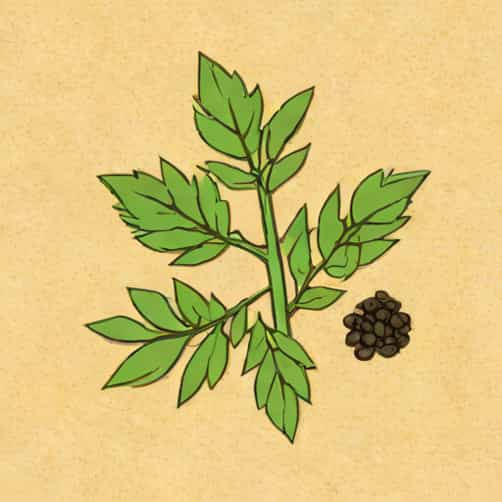
Many people who enjoy cooking or natural remedies often come across thyme and carom seeds and wonder whether they are similar or interchangeable. While both are aromatic and valued for their flavor and health benefits, thyme and carom seeds are quite different in origin, appearance, taste, and culinary use. Confusion sometimes arises because they share a somewhat similar strong aroma and are both used in small quantities. Understanding the difference between thyme and carom seeds helps home cooks, food enthusiasts, and health-conscious readers use each ingredient correctly and confidently in their kitchens.
Basic Introduction to Thyme and Carom Seeds
What Is Thyme?
Thyme is a leafy herb that comes from the plantThymus vulgaris, which belongs to the mint family. It is native to the Mediterranean region and is widely used in European, Middle Eastern, and Mediterranean cooking. Thyme is typically used fresh or dried, and its small green leaves release a pleasant, earthy aroma when crushed. It is popular in soups, roasted meats, vegetables, sauces, and herbal teas.
What Are Carom Seeds?
Carom seeds, also known as ajwain, come from the plantTrachyspermum ammi. Despite being called seeds, they are technically fruits. Carom seeds are widely used in Indian, Middle Eastern, and African cuisines. They have a strong, pungent flavor similar to thyme but sharper and more peppery. Carom seeds are commonly used in flatbreads, curries, snacks, and traditional remedies.
Difference in Botanical Origin
Plant Family of Thyme
Thyme belongs to the Lamiaceae family, which includes other well-known herbs such as basil, mint, oregano, and rosemary. Plants in this family are known for their aromatic leaves and essential oils. Thyme grows as a small shrub with woody stems and tiny leaves.
Plant Family of Carom Seeds
Carom seeds come from the Apiaceae family, which also includes cumin, fennel, coriander, and parsley. Plants in this family usually produce seeds or fruits that are rich in essential oils. Carom plants are taller and produce small, ridged seeds that are harvested once mature.
Difference in Appearance
Appearance of Thyme
Thyme appears as small, oval-shaped leaves attached to thin stems. When dried, the leaves become slightly darker and brittle. Fresh thyme has a green to gray-green color and is often sold in small bunches or sprigs. The leaves are soft and delicate, making them easy to sprinkle directly into dishes.
Appearance of Carom Seeds
Carom seeds are tiny, oval-shaped, and ridged, resembling small cumin or fennel seeds. They are usually light brown or grayish in color. Unlike thyme leaves, carom seeds are hard and dry, requiring cooking or crushing to release their flavor.
Difference in Flavor and Aroma
Flavor Profile of Thyme
Thyme has a mild, earthy, and slightly sweet flavor with subtle minty and floral notes. Its aroma is warm and pleasant rather than overpowering. Thyme blends well with other herbs and spices, making it versatile in many recipes. It enhances dishes without dominating them.
Flavor Profile of Carom Seeds
Carom seeds have a strong, sharp, and pungent flavor. Their taste is often described as a mix of thyme, oregano, and black pepper, but much more intense. Even a small quantity can significantly influence the flavor of a dish. Because of this intensity, carom seeds are usually used sparingly.
Difference in Culinary Uses
How Thyme Is Used in Cooking
Thyme is commonly used as a seasoning herb. It can be added during cooking or used as a garnish. Thyme pairs well with meats, poultry, fish, vegetables, and legumes. It is also a key ingredient in many herb blends. Thyme is suitable for slow-cooked dishes because its flavor holds up well to heat.
How Carom Seeds Are Used in Cooking
Carom seeds are often used at the beginning of cooking, sometimes fried in oil to release their aroma. They are popular in savory breads, fritters, lentils, and vegetable dishes. In Indian cooking, carom seeds are valued for their digestive properties and are often added to heavy or fried foods.
Difference in Medicinal and Health Uses
Health Benefits of Thyme
Thyme has been traditionally used for its antimicrobial and antioxidant properties. It is often consumed as herbal tea to support respiratory health, relieve coughs, and soothe sore throats. Thyme also supports digestion and may help boost immunity due to its essential oils.
Health Benefits of Carom Seeds
Carom seeds are widely used in traditional medicine, especially for digestive issues. They are believed to relieve indigestion, bloating, and gas. Carom seeds are also used to ease colds, coughs, and stomach discomfort. Their strong essential oils make them effective but also require careful use.
Difference in Nutritional Composition
Nutrients Found in Thyme
Thyme contains vitamins such as vitamin C and vitamin A, along with minerals like iron and manganese. It also contains beneficial plant compounds that contribute to its antioxidant properties. Because it is usually used in small amounts, its nutritional contribution is modest but valuable.
Nutrients Found in Carom Seeds
Carom seeds are rich in fiber, essential oils, and minerals such as calcium and iron. They also contain compounds like thymol, which contributes to their strong aroma and medicinal properties. Due to their concentrated nature, even small amounts deliver notable effects.
Difference in Storage and Shelf Life
Storing Thyme
Fresh thyme should be stored in the refrigerator and used within a week or two. Dried thyme can be stored in an airtight container in a cool, dark place and remains usable for several months. Proper storage helps preserve its aroma and flavor.
Storing Carom Seeds
Carom seeds have a longer shelf life than fresh herbs. When stored in an airtight container away from heat and moisture, they can last for years without losing much of their potency. Grinding them fresh ensures the best flavor.
Can Thyme and Carom Seeds Be Substituted?
Substitution Considerations
Although thyme and carom seeds share some aromatic similarities, they are not direct substitutes. Thyme is milder and leafy, while carom seeds are much stronger and seed-based. Using carom seeds in place of thyme requires extreme caution and reduced quantity. Substituting thyme for carom seeds may result in a less intense flavor.
The difference between thyme and carom seeds lies in their botanical origin, appearance, flavor, culinary uses, and health benefits. Thyme is a gentle, versatile herb widely used in Western and Mediterranean cooking, while carom seeds are a powerful spice with a sharp taste commonly found in Indian and Middle Eastern dishes. Both ingredients offer unique flavors and health properties, but they serve different purposes in the kitchen. Understanding these differences allows cooks and food enthusiasts to use thyme and carom seeds correctly, enhancing both taste and nutritional value in everyday meals.