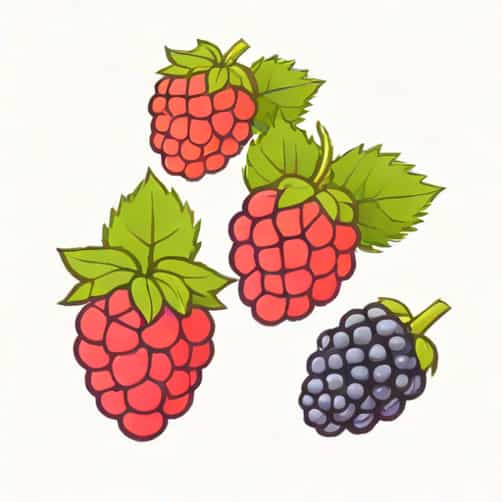
When it comes to hybrid berries, tayberries and loganberries are often compared because of their similar appearance and taste. Both are cultivated hybrids derived from crosses between different types of blackberries and raspberries, and they have gained popularity in home gardens and commercial farming for their sweet, tangy flavors. Despite their similarities, tayberries and loganberries have distinct characteristics that set them apart in terms of flavor, texture, growth habits, and usage. Understanding these differences is essential for gardeners, cooks, and berry enthusiasts who want to choose the right berry for their needs, whether for fresh eating, jams, or desserts.
Origins of Tayberry and Loganberry
The tayberry was first developed in Scotland in the 1970s by the horticulturist Thomas Thomson. It is a hybrid of the blackberry and raspberry, specifically created to combine the large size of the blackberry with the aromatic sweetness of the raspberry. Tayberries are known for their elongated shape and rich red color, making them visually appealing as well as delicious.
Loganberries, on the other hand, were developed earlier, in the late 19th century in California by Judge James Harvey Logan. This hybrid is a cross between a blackberry and a red raspberry and was initially cultivated for its hardiness and unique flavor. Loganberries are darker in color, typically deep red to almost purple, and have a more tart taste compared to tayberries.
Physical Characteristics
One of the easiest ways to differentiate between tayberries and loganberries is by observing their physical characteristics. Tayberries are larger and more elongated than loganberries, with a slightly tapered end. Their color ranges from deep red to purplish-red when fully ripe. The flesh of the tayberry is soft and juicy, making it ideal for immediate consumption and desserts.
Loganberries are generally smaller and more oblong than tayberries, with a darker red or maroon hue. They have a firmer texture, which makes them suitable for cooking and preserving. The structure of loganberries is slightly more compact, and the seeds can be more noticeable than in tayberries, which can influence the texture of jams and sauces.
Flavor Profile
The flavor is another key difference between these two hybrid berries. Tayberries are renowned for their sweet and aromatic flavor, often described as a perfect blend of blackberry and raspberry. Their sweetness makes them a favorite for fresh eating, smoothies, and desserts that require a juicy and flavorful berry.
Loganberries, in contrast, are more tart and acidic, with a slightly earthy undertone. While they also carry hints of raspberry and blackberry, the tanginess makes them better suited for preserves, pies, and sauces where a balance of sweetness and acidity is desired. The sharper taste of loganberries can add complexity to recipes and pair well with other fruits in cooking.
Growth and Cultivation
Both tayberries and loganberries are perennials that grow on thorny canes, but their growth habits differ slightly. Tayberries are vigorous growers that require strong trellising or support due to the weight of their large fruits. They tend to ripen later in the season, usually in mid to late summer, which allows gardeners to extend their berry harvest season after earlier berries like raspberries.
Loganberries grow on trailing canes that spread more widely and may require pruning to manage their size. They also have a longer growing season, often producing fruit from late spring through summer. Loganberries are hardy and adaptable to different soil types, but they may be more susceptible to certain pests and diseases compared to tayberries. Both berries benefit from full sun exposure and well-drained soil.
Uses in Cooking and Baking
The differences in flavor and texture between tayberries and loganberries influence their culinary uses. Tayberries, with their sweet and juicy nature, are ideal for eating fresh, adding to fruit salads, or incorporating into desserts such as tarts and crumbles. Their vibrant color and softness make them visually appealing in presentation dishes.
Loganberries, because of their tartness and firmer structure, excel in making jams, jellies, and preserves. The natural acidity of loganberries helps balance the sugar in recipes, making them perfect for baking pies, muffins, and sauces. They can also be used in beverages, such as smoothies and cordials, where their robust flavor can stand out.
Nutritional Differences
Both tayberries and loganberries are rich in vitamins, antioxidants, and dietary fiber. Tayberries tend to be higher in natural sugars, which contributes to their sweeter taste, while loganberries may offer slightly higher levels of vitamin C and acidity, adding to their tart profile. Both berries are low in calories and provide a range of health benefits, including promoting heart health, supporting the immune system, and offering anti-inflammatory properties. Choosing between the two can depend on dietary preferences and the desired balance of sweetness and acidity in recipes.
Storage and Shelf Life
Tayberries, due to their soft and juicy nature, have a shorter shelf life and are best consumed shortly after harvest. They can be stored in the refrigerator for a few days but are prone to bruising and spoilage if handled roughly. Freezing tayberries is possible and preserves their flavor, but thawed berries may lose some firmness.
Loganberries, with their firmer texture, are more resilient and can last longer in the refrigerator. They also freeze well and retain their shape better than tayberries, making them a good option for long-term storage and use in cooking. Proper handling and storage are essential for both berries to maintain their quality and flavor.
Choosing Between Tayberry and Loganberry
The choice between tayberries and loganberries often comes down to personal preference and intended use. If you want a sweet, juicy berry for fresh eating or desserts, tayberries are the better option. If you prefer a tart berry for cooking, preserves, and longer storage, loganberries are ideal. Both offer unique flavors and textures that enhance various culinary applications.
- TayberrySweet, juicy, larger fruit, best for fresh consumption and desserts.
- LoganberryTart, firmer fruit, ideal for jams, pies, and sauces.
- GrowthTayberries ripen later, need strong support; Loganberries have longer season, may require pruning.
- StorageTayberries are delicate, shorter shelf life; Loganberries are hardy, longer shelf life.
Both tayberries and loganberries are excellent examples of hybrid berry cultivation, combining the best traits of blackberries and raspberries. While they share similarities in appearance and origin, they differ significantly in taste, texture, growth habits, and culinary applications. Tayberries offer a sweet, aromatic flavor perfect for fresh eating and desserts, while loganberries provide a tart, robust taste ideal for cooking and preserves. Gardeners and cooks should consider these differences when choosing which berry to grow or use in recipes. Understanding the unique characteristics of each berry ensures that you can enjoy their flavors and benefits to the fullest, whether in the garden, the kitchen, or at the dining table.