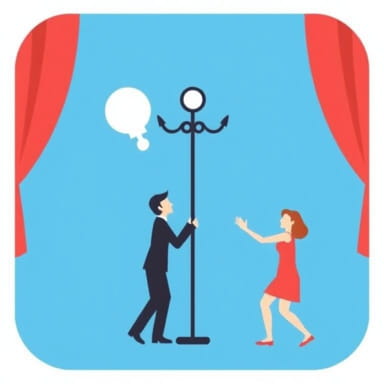
Comedy comes in many different forms, and throughout history, audiences have enjoyed a wide variety of humor styles. Two of the most commonly confused genres are farce and slapstick. Both are designed to make people laugh, but they approach comedy in different ways. Farce often uses exaggerated situations, misunderstandings, and absurd characters, while slapstick focuses more on physical humor, exaggerated movements, and over-the-top gags. To fully understand the difference between farce and slapstick, it is helpful to look at their origins, characteristics, and examples in both theater and film.
What is Farce?
Farce is a type of comedy that relies heavily on exaggerated situations, improbable events, and misunderstandings. It often features mistaken identities, quick entrances and exits, and absurd scenarios that push reality to its limits. Farce is usually fast-paced and filled with escalating chaos, keeping audiences entertained through unexpected twists. It thrives on timing and clever dialogue rather than physical pain or violence.
Key Features of Farce
- Complex plots with misunderstandings and mistaken identities
- Exaggerated but still dialogue-driven humor
- Situations that grow more ridiculous as the story progresses
- Focus on witty exchanges and clever wordplay
- Often set in ordinary settings like homes, hotels, or workplaces
What is Slapstick?
Slapstick, on the other hand, is a form of physical comedy that emphasizes exaggerated actions, clumsy accidents, and over-the-top gags. The humor comes from the visual spectacle of people falling, bumping into things, or reacting dramatically to physical misfortune. Slapstick has been a staple of silent films, cartoons, and live performances because it requires no words to create laughter only physical movement and timing.
Key Features of Slapstick
- Physical humor based on exaggerated accidents and actions
- Use of props such as pies, ladders, or buckets
- Comedic violence that is harmless but dramatic
- Exaggerated facial expressions and body language
- Visual gags that can be understood without dialogue
Origins of Farce and Slapstick
Farce has roots in classical theater, particularly in the works of the ancient Romans and later in French theater. It became popular in Europe during the Middle Ages and continued through plays like those of Molière. Slapstick, however, has its origins in physical performance and clowning. The word slapstick comes from a physical prop used in Italian commedia dell’arte two wooden slats that made a loud noise when struck, emphasizing exaggerated actions on stage.
Examples in Theater and Film
Examples of Farce
Well-known farces include plays like Noises Off by Michael Frayn and The Importance of Being Earnest by Oscar Wilde. These works showcase how misunderstandings and exaggerated scenarios can lead to hilarity without needing physical stunts.
Examples of Slapstick
Classic slapstick examples include silent film comedians like Charlie Chaplin, Buster Keaton, and the Marx Brothers. In more modern times, shows like Tom and Jerry or movies like Home Alone highlight slapstick humor, where characters endure endless falls, chases, and traps with exaggerated reactions.
Difference Between Farce and Slapstick
Although both farce and slapstick are comedic styles, they appeal to audiences in different ways. Farce leans on cleverness, situational irony, and fast-paced dialogue, while slapstick is more about physical exaggeration, clumsy actions, and visual spectacle. Farce can be understood mostly through words and storylines, while slapstick requires no language to be funny.
Main Contrasts
- Farce is dialogue-driven; slapstick is action-driven.
- Farce relies on misunderstandings; slapstick relies on physical accidents.
- Farce takes place in seemingly ordinary settings; slapstick often creates chaos in any environment.
- Farce emphasizes absurdity through story; slapstick emphasizes absurdity through movement.
Why People Confuse Them
People often confuse farce and slapstick because both are exaggerated forms of comedy that push reality beyond its limits. Sometimes, a single play or movie might combine both elements. For example, a farce might have witty dialogue but also include slapstick scenes where characters fall down stairs or hide under tables. This overlap can blur the lines, making it easy to mistake one for the other.
Modern Use of Farce and Slapstick
In modern entertainment, both styles remain popular but are often adapted to fit new audiences. Television sitcoms often borrow elements of farce, with characters getting into increasingly ridiculous misunderstandings. Slapstick continues in animated shows and family movies, where physical humor entertains viewers of all ages. Both styles show that laughter can come from words or from actions, and sometimes from a mixture of both.
Impact on Audiences
Farce appeals to audiences who enjoy cleverness, sharp timing, and witty exchanges. It engages people who like fast-moving stories with absurd but logical outcomes. Slapstick, however, appeals to those who laugh at physical exaggeration, funny mishaps, and comical accidents. Both styles serve as a reminder that humor is a universal language, and people can find joy in different forms of comedy depending on their preferences.
The difference between farce and slapstick lies mainly in how the humor is delivered. Farce builds comedy through language, confusion, and unlikely situations, while slapstick makes people laugh with exaggerated physical actions and comical mishaps. Both have stood the test of time and continue to influence theater, film, and television. Understanding these differences not only helps us appreciate each style more deeply but also allows us to see how diverse the world of comedy truly is. Whether one prefers the clever wit of farce or the visual chaos of slapstick, both remind us of the timeless joy of laughter.