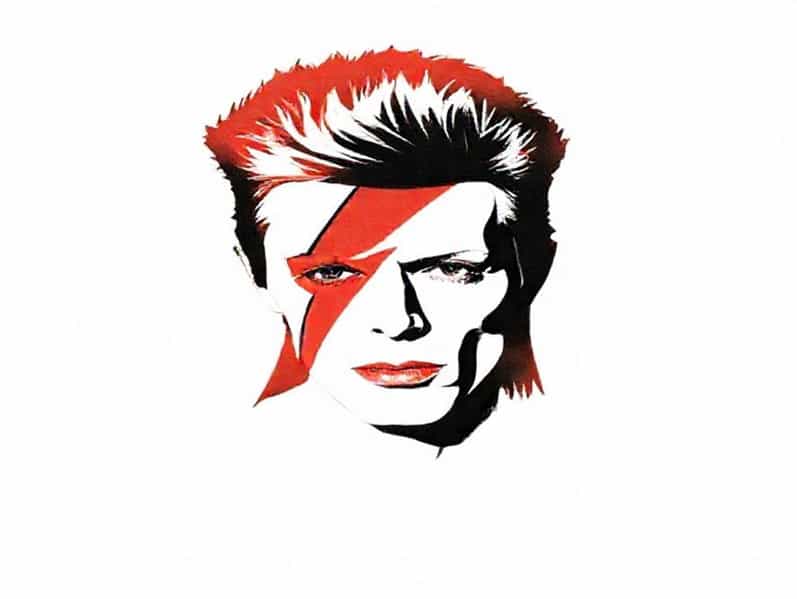
Modern Love by David Bowie is a song that captures the energetic pulse and complex emotions of human relationships, set against the backdrop of 1980s musical innovation. Released as part of his 1983 album Let’s Dance, the track exemplifies Bowie’s ability to blend rock, pop, and dance elements into a sound that is both catchy and thought-provoking. With its driving rhythm, memorable guitar riffs, and compelling vocal delivery, Modern Love explores themes of love, faith, and existential reflection, resonating with audiences across generations. The song demonstrates Bowie’s versatility and his capacity to create music that is simultaneously commercially appealing and artistically meaningful.
Background of Modern Love
David Bowie, already an established icon by the early 1980s, was at a point in his career where experimentation and mainstream appeal intersected. Modern Love was written during a period of creative collaboration with Nile Rodgers, a producer known for his work with Chic and other artists who defined the dance-rock sound of the era. The collaboration infused Bowie’s work with a contemporary, upbeat style, making Modern Love a standout track in both his discography and the wider musical landscape of the time.
Recording and Production
The production of Modern Love reflects the meticulous approach Bowie and Rodgers took in the studio. Combining tight percussion, layered guitars, and vibrant brass arrangements, the track achieves a sense of urgency and sophistication. Rodgers’ influence is evident in the rhythmic drive and polished instrumentation, which balances the pop sensibilities with Bowie’s characteristic depth and artistry. The production creates a dynamic soundscape that supports the song’s lyrical exploration of love and modern existential concerns.
Musical Composition
Modern Love is structured around a compelling blend of rock and dance elements, characterized by energetic tempos, syncopated rhythms, and catchy melodic hooks. The song opens with a brisk drumbeat that immediately sets a lively tone, followed by guitar riffs and bass lines that reinforce the rhythm. Bowie’s vocal performance is a key feature, shifting between urgent declarations and nuanced phrasing that convey both emotion and irony.
Instrumentation
- GuitarCrisp, rhythmic riffs complement the driving beat, providing both texture and melodic support.
- DrumsEnergetic patterns establish a danceable rhythm while maintaining a rock edge.
- BassProvides depth and groove, anchoring the harmonic structure of the song.
- Brass and SynthsAdd brightness and a contemporary feel, enhancing the song’s 1980s aesthetic.
The integration of these elements ensures that Modern Love appeals to a broad audience, balancing accessibility with artistic sophistication. The interplay of instruments creates a layered, dynamic sound that enhances the song’s thematic complexity.
Lyrical Themes and Interpretation
The lyrics of Modern Love explore the tension between emotional fulfillment and existential uncertainty. Bowie addresses the contradictions inherent in contemporary relationships, where desire, societal expectation, and personal meaning intersect. Lines reflecting spiritual questioning juxtaposed with moments of joy and irony highlight the complexity of modern human experience. The song grapples with themes of faith, love, and identity, demonstrating Bowie’s capacity to address profound subjects within a pop-rock framework.
Key Messages
- Love and RelationshipsExamines the challenges and fleeting nature of modern romantic connections.
- Faith and Existential InquiryQuestions the role of spirituality in contemporary life.
- Irony and PlayfulnessUses wit and clever phrasing to highlight contradictions in human behavior.
By juxtaposing upbeat music with reflective lyrics, Bowie creates a song that is both entertaining and intellectually engaging. The thematic richness allows listeners to interpret the song on multiple levels, contributing to its enduring appeal.
Impact and Reception
Upon its release, Modern Love achieved commercial success, charting highly in both the United Kingdom and the United States. Critics praised the song for its energetic production, catchy hooks, and lyrical depth. The track became a staple of Bowie’s live performances, often performed with exuberant energy that mirrored the vitality of the studio recording. Modern Love also influenced subsequent artists in pop, rock, and dance genres, demonstrating Bowie’s ability to shape musical trends while retaining his unique artistic voice.
Legacy
- Solidified Bowie’s status as a versatile and innovative artist.
- Influenced 1980s pop-rock and dance music through its fusion of genres.
- Remains a popular track in compilations and live performances.
- Celebrated for its combination of musical sophistication and accessibility.
The legacy of Modern Love extends beyond its chart performance, representing a moment in Bowie’s career where commercial appeal and artistic expression coexisted harmoniously. Its influence can be traced in both popular music and the broader cultural imagination of the 1980s.
Live Performances
David Bowie’s live renditions of Modern Love captured the energy and vibrancy of the studio version while adding new dimensions to the performance. His dynamic stage presence, expressive movements, and interaction with the audience amplified the song’s impact. Live arrangements sometimes included extended instrumental sections or improvisations, showcasing the musicianship of Bowie and his collaborators. These performances helped cement the song as a fan favorite and a highlight of Bowie’s concert repertoire.
Stage Aesthetic
- Visual presentation often mirrored the song’s energetic and upbeat tone.
- Costumes and lighting enhanced the theatrical experience of the live performance.
- Audience engagement was a key component, reinforcing the communal and celebratory aspects of the song.
Live performances of Modern Love demonstrate Bowie’s ability to translate studio innovation into compelling stage experiences, emphasizing the interplay of music, movement, and visual storytelling.
Modern Love stands as a testament to David Bowie’s talent for blending energetic music with reflective and provocative lyrics. Its combination of rock, pop, and dance elements, coupled with its exploration of love, faith, and existential themes, makes it a multifaceted work that continues to resonate with listeners. The song exemplifies Bowie’s innovative approach to music, demonstrating his ability to craft tracks that are both commercially successful and artistically significant. Through its production, instrumentation, lyrical depth, and live performance history, Modern Love maintains a prominent place in Bowie’s discography and in the broader landscape of 1980s music.
Ultimately, Modern Love reflects Bowie’s enduring ability to capture the complexities of human emotion and experience within a pop framework. Its energy, sophistication, and thematic richness continue to engage new generations of listeners, confirming its status as one of David Bowie’s most memorable and influential songs. From its vibrant studio recording to electrifying live performances, Modern Love exemplifies the intersection of artistry, innovation, and cultural resonance, securing its legacy as a defining work in Bowie’s career and in modern music history.