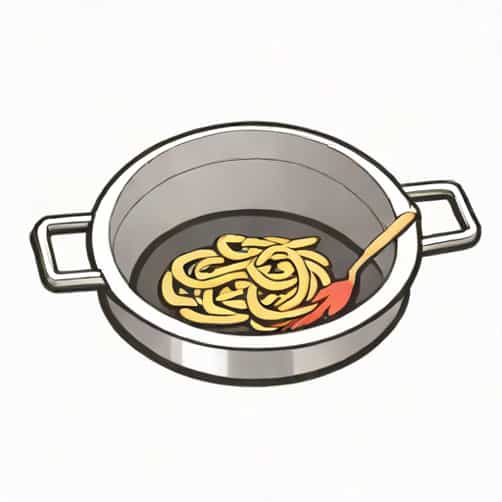
In culinary arts, mastering proper cutting techniques is essential for both efficiency and the overall quality of a dish. One cutting technique often used for sautéing plays a critical role in ensuring that ingredients cook evenly, develop maximum flavor, and maintain appealing textures. Sautéing is a cooking method that involves cooking food quickly over high heat with a small amount of oil or fat, and the way ingredients are cut directly affects how they interact with the heat. Understanding the cutting techniques commonly applied in sautéing can elevate your cooking skills, reduce preparation time, and enhance the visual and taste appeal of your dishes.
Importance of Proper Cutting Techniques
Before diving into the specific technique, it is important to understand why cutting methods are so crucial in sautéing. The size, shape, and uniformity of food pieces determine the cooking time, texture, and flavor release during the cooking process. Uneven cuts can result in undercooked or overcooked pieces, which negatively impact the dish’s quality.
Benefits of Using Correct Cuts
- Ensures uniform cooking and prevents overcooking or burning
- Enhances flavor by increasing surface area for browning and caramelization
- Improves presentation with consistent, visually appealing pieces
- Reduces cooking time by creating evenly sized pieces
- Promotes safety and efficiency in the kitchen
In sautéing, where high heat and quick cooking are involved, precision in cutting becomes even more significant.
The Julienne Cut Commonly Used for Sautéing
One of the cutting techniques often used for sautéing is the julienne cut. Julienne refers to cutting vegetables or other ingredients into long, thin matchstick-like strips, usually about 1/8 inch thick and 2-3 inches long. This method is widely used for ingredients such as carrots, bell peppers, zucchini, and onions, which benefit from rapid cooking while maintaining their crispness and texture.
Why Julienne is Ideal for Sautéing
- Thin strips cook quickly and evenly in a hot pan.
- Increases surface area, allowing for better caramelization and flavor development.
- Maintains a tender-crisp texture that is visually appealing in stir-fries and sautés.
- Allows for consistent seasoning distribution, enhancing overall flavor.
- Facilitates professional presentation in plated dishes.
The julienne cut is particularly advantageous when you want your vegetables or proteins to cook quickly without losing moisture or color, which is a hallmark of high-quality sautéed dishes.
Step-by-Step Guide to the Julienne Cut
Performing a julienne cut requires precision, patience, and a sharp knife. Here is a step-by-step guide to help you achieve uniform strips perfect for sautéing.
Step 1 Prepare Your Ingredients
- Wash and peel vegetables if necessary.
- Trim ends to create flat surfaces for stability during cutting.
Step 2 Slice into Planks
- Cut the ingredient lengthwise into thin, even planks, typically about 1/8 inch thick.
- Ensure uniform thickness to promote even cooking.
Step 3 Cut into Matchsticks
- Stack the planks carefully, then slice lengthwise into strips of the same width.
- Use consistent pressure and steady hand movement for uniformity.
Step 4 Ready for Sautéing
- Separate the strips and pat them dry if needed.
- The prepared ingredients are now ready to be quickly cooked in a hot sauté pan.
Properly cut julienne strips not only cook evenly but also provide a professional appearance to any dish.
Other Cutting Techniques for Sautéing
While the julienne cut is the most common for quick sautéing, other techniques can also be applied depending on the type of ingredient and desired texture.
Dice Cut
- Ingredients are cut into small, even cubes, typically ranging from 1/4 to 1/2 inch.
- Ideal for onions, tomatoes, or potatoes that need to cook quickly without burning.
Slice Cut
- Ingredients are cut into thin or medium slices, often used for mushrooms, peppers, or zucchini.
- Slices provide even browning and consistent cooking when sautéed.
Chiffonade Cut
- Used primarily for leafy herbs like basil or spinach.
- Leaves are stacked, rolled, and then sliced into fine ribbons, allowing for quick wilting in the pan.
Choosing the right cutting technique depends on the ingredient, cooking time, and the texture you wish to achieve.
Tips for Efficient Sautéing
Alongside mastering cutting techniques, there are several tips to ensure successful sautéing. Proper preparation, heat management, and timing are key components of a perfect sauté.
Essential Tips
- Always use a sharp knife to achieve clean, uniform cuts quickly and safely.
- Preheat the pan before adding oil to ensure even cooking and proper searing.
- Do not overcrowd the pan; this prevents steaming instead of sautéing.
- Keep ingredients of similar size together for uniform cooking times.
- Stir or toss frequently to prevent sticking and promote even browning.
Combining these tips with proper cutting techniques ensures that sautéed dishes are flavorful, well-cooked, and visually appealing.
The cutting technique often used for sautéing, especially the julienne cut, is a fundamental skill in the kitchen that enhances both the cooking process and the presentation of a dish. By mastering uniform cuts, cooks ensure even cooking, optimal texture, and full flavor development. While julienne is commonly used for vegetables, understanding additional techniques such as dice, slice, and chiffonade expands your versatility in the kitchen. Coupled with proper sautéing practices like heat control, pan management, and ingredient preparation, mastering these cutting techniques can elevate your culinary skills and allow you to create dishes that are both delicious and visually appealing. Consistency, precision, and attention to detail in cutting are key elements that every aspiring chef should embrace to succeed in preparing sautéed meals.