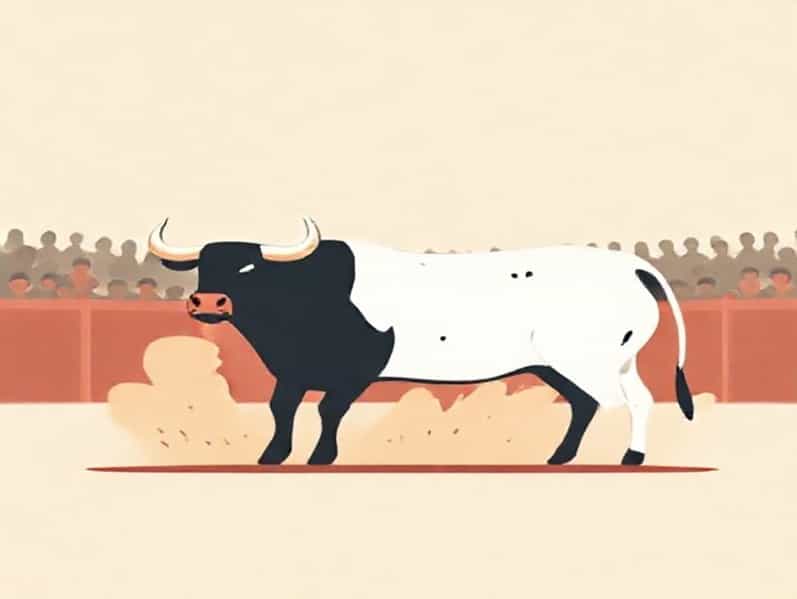
It may seem unusual to cry at a bullfight, yet many people do. Bullfighting is one of the most emotional and controversial spectacles in the world. It is not just a performance of courage and danger, but also a display of art, tradition, and tragedy. For centuries, this Spanish cultural ritual has fascinated and disturbed audiences alike. Some feel awe at the bravery of the matador, while others feel heartbreak for the bull. To cry at a bullfight is to respond to the raw emotions that unfold before the crowd fear, beauty, cruelty, and death.
The Emotional Nature of Bullfighting
Watching a bullfight can be an overwhelming experience. It combines the energy of sport with the drama of theater. The matador’s every move is precise, almost like a dance, while the bull’s strength and defiance add a powerful intensity. To many spectators, it feels like witnessing a struggle between life and death in its purest form.
Those who cry at a bullfight often describe it as a mix of admiration and sorrow. The emotion may rise when the bull enters the arena proud and full of life or when the matador delivers the final strike. The feeling of loss is undeniable, as the beauty of the performance is bound to end in tragedy.
Why People Cry at a Bullfight
Crying during a bullfight can come from several emotional triggers. The event touches on themes that go far beyond sport. Below are some of the main reasons why tears may come to the eyes of those watching
- Empathy for the bullMany people feel compassion for the animal’s suffering, even if they appreciate the ritual behind the fight.
- The power of art and symbolismBullfighting is often seen as symbolic of the human struggle courage in the face of mortality.
- The beauty of the performanceThe costumes, music, and choreography can move people deeply, much like an opera or tragedy.
- Personal reflectionWatching death in such an open way can make spectators think about their own lives, fears, and emotions.
In Spain, crying at a bullfight is not considered strange. For many locals, it shows sensitivity and understanding of what the event represents. It is not weakness but a natural human reaction to witnessing something so powerful and conflicted.
The Cultural Significance of Bullfighting
To understand why someone might cry at a bullfight, one must first understand what bullfighting means within its cultural context. In Spain and parts of Latin America, the bullfight is known as corrida de toros. It has been part of the culture for centuries, blending religion, art, and tradition.
Historically, bullfighting was linked to festivals, representing bravery, skill, and honor. The matador is often viewed as a hero not because of aggression, but because of the control, grace, and respect shown during the performance. The bull, too, is respected as a noble creature, symbolizing strength and dignity even in defeat.
The Ritual of the Arena
Each bullfight follows a strict ritual. It begins with the entrance of the participants, followed by a sequence of stages that display the bull’s power and the matador’s technique. Trumpets sound, the crowd grows silent, and the atmosphere turns solemn. The final moments, when the matador prepares for the final blow, are filled with unbearable tension. The crowd holds its breath, knowing what must come next.
This mixture of beauty and cruelty often evokes deep emotion. Some see it as the ultimate expression of human courage, while others see unnecessary suffering. But for everyone watching, the moment is charged with meaning.
Different Reactions Around the World
While bullfighting remains a tradition in Spain, Portugal, and some Latin American countries, reactions to it vary greatly. In modern times, it has sparked global debates about ethics, animal rights, and cultural heritage. Some people feel anger or disgust when they witness a bullfight, while others feel profound respect for the ritual’s history.
Those who cry at a bullfight are often caught between admiration and grief. They recognize the artistic mastery of the matador but cannot ignore the pain of the bull. This emotional conflict is what makes the experience unforgettable.
The Perspective of Tourists
Many tourists who attend their first bullfight find themselves unprepared for the intensity of the event. They may enter expecting entertainment but leave shaken by what they have seen. The contrast between the colorful costumes and the violent outcome can be jarring. For some, tears come unexpectedly a reaction not of judgment but of emotional overload.
Tourists who cry often describe it as an awakening. They realize that bullfighting is not a casual sport but a deeply symbolic ceremony about life, struggle, and mortality. The beauty and sadness blend into one unforgettable memory.
The Bull as a Symbol
The bull holds great symbolism in many cultures, representing power, fertility, and sacrifice. In ancient mythology, bulls were connected to gods and natural forces. In bullfighting, the animal stands as a symbol of nature itself wild, brave, and untamed. Its presence in the ring commands respect, and its death evokes sorrow even among supporters of the tradition.
To cry for the bull is to recognize its nobility. It fought with courage and never asked to perform, yet it faced death with dignity. Many people who witness a bullfight for the first time are moved by this truth, realizing how fragile life can be when confronted so directly.
Artistic Interpretations of Bullfighting
Artists, writers, and filmmakers have often used bullfighting as a subject to express human emotion. Pablo Picasso, Ernest Hemingway, and Federico García Lorca all explored its drama and symbolism in their works. Hemingway famously described the bullfight as a combination of tragedy and beauty, where both life and death coexist in perfect balance.
Through art, the emotions felt during a bullfight are transformed into something universal. Crying at such an event becomes more than personal sadness it becomes part of a shared human experience of confronting mortality and beauty at once.
Modern Attitudes and Ethical Debates
In recent years, bullfighting has faced growing criticism from animal rights activists and modern audiences. Many argue that the practice is outdated and cruel, calling for bans or reforms. Others defend it as a vital part of national heritage that should be preserved as art rather than sport.
This debate adds another layer of emotion to the act of crying at a bullfight. Some people cry because they are torn between respecting tradition and feeling empathy for the animal. Others shed tears for a fading cultural symbol that may one day disappear entirely.
Compassion and Cultural Understanding
To truly understand the emotional impact of bullfighting, one must approach it with compassion for both sides. It is possible to appreciate the discipline, skill, and artistry of the matador while still feeling sorrow for the bull. Crying in the arena does not mean rejecting the culture; it often means feeling its full weight and contradiction.
Many Spanish people who attend bullfights express mixed emotions themselves. Even those raised in the tradition sometimes cry, understanding the beauty and sadness that coexist in every moment of the event.
When Art Meets Emotion
The ability to cry at a bullfight reflects the depth of human emotion. It shows that even when faced with something rooted in violence, people can still see poetry and tragedy. The bullfight is not just about winning or losing it is about facing fear, mortality, and destiny. These are universal themes that touch every heart, no matter where someone comes from.
In that sense, tears become part of the experience. They represent empathy, awareness, and connection to the spectacle’s emotional truth. To cry at a bullfight is not a sign of weakness but of understanding understanding that beauty and pain often live side by side.
Crying at a bullfight is a deeply human response to one of the most dramatic traditions in the world. The event’s blend of art, bravery, and tragedy creates emotions that few other spectacles can match. Whether one views it as a cultural treasure or a controversial practice, it cannot be denied that bullfighting moves people in powerful ways. The tears shed in the arena speak to the heart of what it means to witness life and death intertwined to feel both admiration and sorrow, beauty and pain, in a single unforgettable moment.