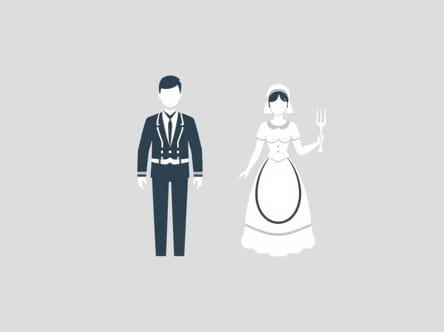
In the English language, gendered nouns have been traditionally used to refer to people based on their sex. Terms like manservant and maidservant clearly indicate the male or female roles within domestic service. However, in modern usage, there is a growing need for gender-neutral or common gender alternatives. This shift in language reflects evolving attitudes toward gender equality and inclusivity. Understanding what common gender means and identifying appropriate terms for manservant and maidservant helps ensure respectful and inclusive communication.
Understanding Common Gender
Common gender refers to a noun that can be used for both males and females without changing its form. These words do not specify gender and can apply equally to men, women, or any other gender identity. In contrast to masculine nouns like actor or feminine nouns like actress, common gender nouns are inclusive and neutral in tone.
Examples of common gender nouns include
- Teacher
- Doctor
- Parent
- Student
- Friend
These terms do not tell us the gender of the person they describe, which is why they are considered to be of common gender.
Manservant and Maidservant Definitions and Historical Context
Manservant
A manservant is traditionally a male household servant employed to assist with various domestic tasks. These duties might include cleaning, serving meals, or attending to the personal needs of the household members. In older societies, especially among the wealthy, manservants were common and often wore specific uniforms indicating their roles.
Maidservant
A maidservant is a female domestic worker, typically assigned duties such as cleaning, laundry, and caring for children. Like the manservant, the maidservant was a significant figure in large households, especially in the 18th and 19th centuries. The term is often associated with traditional gender roles in domestic labor.
Why Use a Common Gender Term?
As society moves toward greater equality and inclusiveness, language evolves to reflect these values. Using gender-specific terms like manservant and maidservant may feel outdated or exclusionary in modern contexts. Choosing a common gender alternative shows cultural sensitivity and respect for diversity. It also ensures communication remains appropriate in professional and social settings.
Additionally, many job roles have expanded beyond traditional gender assignments, making it more practical to use neutral titles that apply to everyone regardless of their gender identity.
Common Gender Alternatives to Manservant and Maidservant
1. Domestic Worker
This is a widely accepted common gender term used to describe anyone employed to perform household duties. It covers both male and female workers without emphasizing gender.
Examples
- She hired a domestic worker to help manage the household tasks.
- They have employed domestic workers for over ten years.
2. Housekeeper
Housekeeper is another neutral term that applies to both genders. Traditionally associated with females, the word is now used inclusively for anyone responsible for managing a household or performing cleaning tasks.
Examples
- The housekeeper arrives at 9 a.m. every day to clean and organize.
- He worked as a housekeeper in a large mansion for several years.
3. Household Assistant
This modern term emphasizes support and assistance within the home without referencing gender. It is suitable for both formal and informal contexts and fits a wide range of duties.
Examples
- The family employed a household assistant to help with errands and cooking.
- Our household assistant is skilled in childcare and event planning.
4. Personal Attendant
This phrase is particularly useful when referring to someone who directly assists a person, regardless of the nature of the tasks. It is gender-neutral and professional in tone.
Examples
- She depends on a personal attendant for daily routines due to mobility challenges.
- The celebrity travels with a personal attendant for convenience and support.
5. Servant (Generic Term)
Although somewhat old-fashioned, the term servant can still be used as a common gender noun. It encompasses both manservant and maidservant without specifying gender. However, in modern times, the term may carry connotations of social hierarchy or historical inequality.
Examples
- The loyal servant had been with the family for three generations.
- In historical dramas, the lives of servants are often portrayed in detail.
How Language Reflects Social Progress
The shift from gender-specific terms like manservant and maidservant to common gender nouns such as domestic worker and housekeeper mirrors broader social changes. Language is not static; it adapts to meet the cultural, ethical, and political expectations of the time. By adopting more inclusive vocabulary, speakers and writers contribute to a more equitable society where individuals are not defined or limited by gendered labels.
Gender-Neutral Language in Employment
In professional settings, using inclusive terms is especially important. Job advertisements, contracts, and interviews should avoid gendered job titles unless absolutely necessary. Instead of saying maid wanted or manservant position available, employers should use housekeeper needed or domestic worker required.
This approach not only widens the applicant pool but also shows a commitment to fairness and modern values.
Understanding the use of common gender for manservant and maidservant is a step toward more respectful and modern communication. The shift to gender-neutral terms such as domestic worker, housekeeper, and household assistant reflects today’s values of equality and inclusion. These alternatives allow speakers and writers to describe domestic service roles accurately without imposing outdated gender roles. As language continues to evolve, being aware of such shifts helps individuals stay current, appropriate, and considerate in both professional and everyday communication.