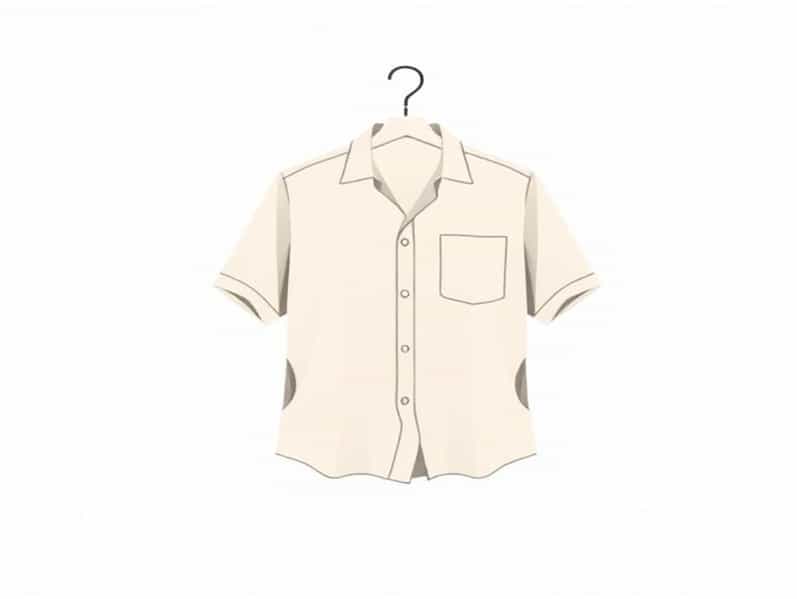
Ironing a shirt may seem like a simple household task, but doing it correctly ensures a neat and professional appearance. Whether you are preparing for work, a special event, or simply want your clothes to look crisp and fresh, knowing how to properly iron a shirt is essential. This process involves understanding the type of fabric, preparing your ironing tools, and following a systematic approach to avoid wrinkles and preserve the fabric’s quality. With patience and practice, ironing a shirt can become a quick and efficient routine that maintains your wardrobe in excellent condition.
Materials and Preparation
Before you begin ironing, it is important to gather all necessary materials and prepare the shirt properly. The following items are recommended
- An iron with adjustable temperature settings
- An ironing board or flat, heat-resistant surface
- Spray bottle with water or a steam iron
- Clean, slightly damp shirt (optional, but helps remove wrinkles)
- Pressing cloth for delicate fabrics
Start by checking the care label on your shirt to determine the appropriate temperature setting. Cotton and linen shirts typically require higher heat, while synthetic materials like polyester or silk need a lower temperature to prevent damage. Setting up your ironing board at a comfortable height and ensuring the iron is clean will make the process smoother and more efficient.
Ironing the Collar
The collar is often the first part of the shirt to iron. A crisp collar sets the tone for the entire garment. To iron the collar
- Lay the collar flat on the ironing board.
- Start with the underside, pressing from the points toward the center.
- Flip the collar and press the top side in the same manner.
Take care to avoid creating creases along the edges, as a smooth, evenly pressed collar improves the shirt’s overall appearance.
Ironing the Cuffs
Next, focus on the cuffs of the shirt. Like the collar, cuffs require attention to detail. To iron the cuffs
- Unbutton the cuff and lay it flat.
- Press the inside first, then the outside, ensuring smooth edges.
- Be cautious around buttons, using the iron’s tip to maneuver around them without causing damage.
Properly ironed cuffs contribute to a polished look and prevent fraying or wrinkles from forming during wear.
Ironing the Sleeves
Sleeves can be tricky because they easily develop unwanted creases. To iron sleeves correctly
- Lay one sleeve flat on the board, aligning the seams.
- Start from the shoulder and move toward the cuff, using gentle, even pressure.
- Flip the sleeve and repeat on the other side.
- To prevent a sharp crease, use a pressing cloth or slightly lift the iron at the edges.
Repeat the process for the second sleeve. Smooth, evenly pressed sleeves enhance the shirt’s overall appearance and prevent unsightly wrinkles.
Ironing the Shirt Body
The body of the shirt typically consists of the front, back, and sides. Start with the side panels and work systematically
- Place one side of the shirt flat on the ironing board.
- Press from the bottom hem toward the shoulder, using a back-and-forth motion.
- Iron around buttons carefully, using the iron tip to avoid direct contact that could damage the fabric.
- Repeat on the other side of the shirt body.
- Finally, lay the back of the shirt flat and iron from the center outward, ensuring even pressure to eliminate wrinkles.
For shirts with pleats or darts, iron carefully along the folds to maintain the garment’s shape and design.
Using Steam and Water
Steam is an effective tool for removing stubborn wrinkles and achieving a smooth finish. If your iron has a steam function, use it while pressing the shirt. For dry irons, a spray bottle with water can help dampen particularly wrinkled areas. Be cautious not to oversaturate the fabric, as excess moisture may leave water stains or make the shirt difficult to iron evenly.
Finishing Touches and Hanging
After ironing, it is important to properly hang the shirt to maintain its crispness. Use a sturdy hanger and button the top button to keep the collar in shape. Allow the shirt to cool completely before wearing or folding, as this helps the fabric retain its smooth appearance. Proper storage prevents wrinkles and reduces the need for frequent ironing.
Tips for Efficient Ironing
- Iron shirts while they are slightly damp for easier wrinkle removal.
- Organize the shirt ironing order collar, cuffs, sleeves, then body for consistent results.
- Use a pressing cloth on delicate fabrics like silk to avoid shine or damage.
- Keep the iron moving to prevent scorching or burning the fabric.
- Regularly clean the iron soleplate to maintain smooth gliding over fabrics.
Common Mistakes to Avoid
Even experienced individuals can make mistakes when ironing shirts. Avoid these common errors
- Using too high a temperature on delicate fabrics, leading to burns or melting.
- Ironing over buttons or zippers without caution, which can damage the garment.
- Ignoring the care label instructions, which may specify special handling requirements.
- Pressing the shirt in a hurry, causing new wrinkles instead of removing them.
- Not properly preparing the shirt, such as leaving it overly wrinkled or dry, which makes ironing more difficult.
Ironing a shirt correctly requires preparation, attention to detail, and systematic execution. From the collar and cuffs to the sleeves and body, each section plays a role in achieving a polished, professional appearance. Using steam or a lightly damp shirt can aid in removing stubborn wrinkles, while proper hanging and storage help maintain the shirt’s crispness. With consistent practice, ironing a shirt can become a quick, efficient routine that enhances your wardrobe and personal presentation.
Mastering the art of ironing a shirt not only improves your appearance but also extends the life of your garments. By following these steps and avoiding common mistakes, you can keep your shirts looking fresh, neat, and ready for any occasion. Whether for work, special events, or everyday wear, knowing how to properly iron a shirt ensures that you always look well-groomed and professional.