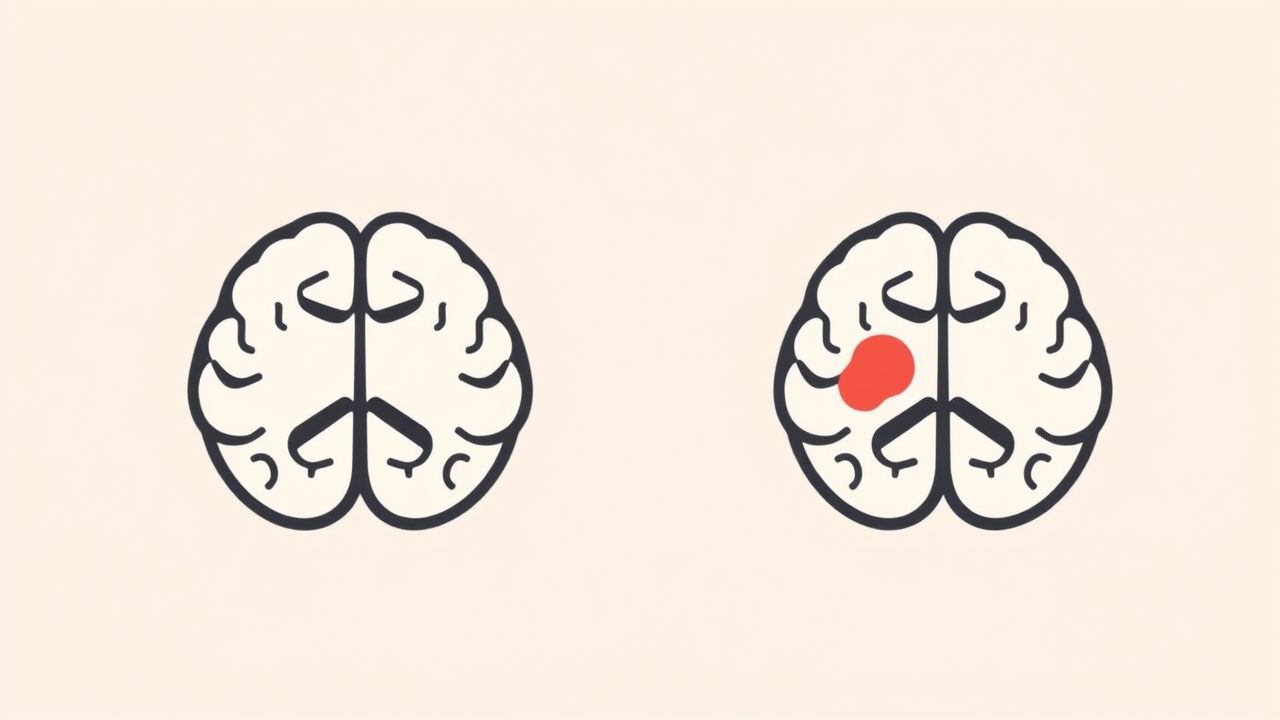
Chronic infarcts in bilateral thalami are a rare but significant finding that can affect various neurological functions. The thalamus is a vital brain structure involved in relaying sensory signals, regulating consciousness, and coordinating motor activity. When both sides of the thalamus experience long-standing infarcts, the consequences can be complex and long-lasting. Understanding the causes, symptoms, and possible treatment approaches is crucial for recognizing and managing this condition effectively.
Understanding the Thalamus and Its Role
The thalamus acts as a central relay station in the brain, processing information from different sensory systems and transmitting it to the cerebral cortex. It also plays a role in motor coordination, emotional regulation, and maintaining alertness. Damage to this structure can result in a broad spectrum of neurological symptoms, depending on which regions are affected.
Bilateral Involvement
When both the left and right thalami are affected by chronic infarcts, the impact can be more severe than unilateral damage. This is because each thalamus contributes to different but interconnected neural pathways, and injury to both sides can disrupt multiple functions simultaneously.
Causes of Chronic Infarcts in Bilateral Thalami
There are several underlying mechanisms that can lead to chronic infarcts in both thalami. These often involve compromised blood flow in the deep cerebral vessels.
Artery of Percheron Occlusion
The artery of Percheron is a rare vascular variant that supplies blood to both thalami through a single arterial trunk. Blockage of this artery can result in bilateral thalamic infarction. If the event is not treated promptly, it may evolve into chronic infarcts over time.
Small Vessel Disease
Chronic conditions such as hypertension and diabetes can damage small penetrating arteries in the brain, leading to gradual ischemia and infarcts in deep structures, including both thalami.
Venous Thrombosis
Blockage in the deep cerebral veins can cause venous congestion and infarction affecting both thalami. This is less common but can result in persistent neurological deficits if not resolved quickly.
Cardioembolic Events
Blood clots originating from the heart, often due to atrial fibrillation or valve disorders, can lodge in vessels supplying both thalami, leading to simultaneous infarcts.
Risk Factors
Several risk factors can increase the likelihood of developing chronic infarcts in bilateral thalami.
- Long-standing hypertension
- Diabetes mellitus
- High cholesterol levels
- Smoking
- Heart disease
- Previous strokes or transient ischemic attacks
Symptoms of Chronic Bilateral Thalamic Infarcts
The symptoms depend on the exact location and extent of the infarcts, as well as how the brain adapts over time.
Cognitive Impairment
Patients may experience memory loss, confusion, or difficulty concentrating due to the thalamus’s role in cognitive processing.
Motor Dysfunction
Weakness, coordination problems, or changes in muscle tone may occur if motor relay pathways are affected.
Sensory Changes
Loss of sensation, abnormal sensations, or pain syndromes may arise from disrupted sensory pathways.
Emotional and Behavioral Changes
Damage to certain thalamic nuclei can lead to apathy, mood swings, or decreased motivation.
Altered Consciousness
Severe cases may involve drowsiness, lethargy, or even coma, especially in the acute phase before the infarcts become chronic.
Diagnosis
Accurate diagnosis requires a combination of clinical evaluation and imaging studies.
MRI Scans
Magnetic resonance imaging (MRI) is the preferred tool for identifying chronic infarcts in the bilateral thalami. It can reveal the size, location, and age of the infarcts.
CT Scans
Computed tomography (CT) scans can be useful in detecting older infarcts, especially if MRI is unavailable.
Vascular Imaging
Techniques such as MR angiography or CT angiography can help identify blockages or anomalies in the vessels supplying the thalamus.
Laboratory Tests
Blood tests may be performed to look for underlying causes such as clotting disorders, high cholesterol, or diabetes.
Potential Complications
Chronic infarcts in bilateral thalami can have lasting effects, some of which may worsen over time.
- Persistent cognitive deficits
- Chronic pain syndromes
- Loss of independence in daily activities
- Increased risk of recurrent strokes
- Depression and emotional instability
Treatment Approaches
Management of chronic bilateral thalamic infarcts focuses on preventing further damage and improving quality of life.
Medical Management
Medications may be prescribed to control risk factors such as high blood pressure, high cholesterol, or irregular heart rhythms. Antiplatelet drugs or anticoagulants may be used to reduce the risk of future strokes.
Rehabilitation Therapy
Physical, occupational, and speech therapy can help patients regain lost functions and adapt to changes in mobility, speech, or cognition.
Pain Management
Neuropathic pain following thalamic injury may require specific medications such as anticonvulsants or antidepressants.
Lifestyle Modifications
Adopting a heart-healthy diet, engaging in regular exercise, quitting smoking, and limiting alcohol intake can reduce further vascular damage.
Prognosis
The long-term outlook for patients with chronic bilateral thalamic infarcts varies. Some individuals may recover significant function through rehabilitation, while others may experience ongoing disabilities. Early detection, aggressive management of risk factors, and consistent therapy offer the best chances for improvement.
Prevention
Preventing chronic infarcts in the bilateral thalami involves addressing the root causes of vascular damage.
- Regular blood pressure monitoring and treatment
- Blood sugar control in diabetic patients
- Cholesterol management through diet and medication
- Regular cardiovascular check-ups
- Prompt treatment of any neurological symptoms
Chronic infarcts in bilateral thalami are an uncommon but serious neurological condition that can significantly impact cognitive, sensory, and motor functions. The thalamus’s central role in brain communication makes damage to this area particularly complex. Recognizing risk factors, seeking prompt medical evaluation for neurological symptoms, and maintaining a healthy lifestyle are key steps in reducing the risk and managing the effects of this condition. Through proper diagnosis, treatment, and rehabilitation, some patients can achieve meaningful recovery and improved quality of life.