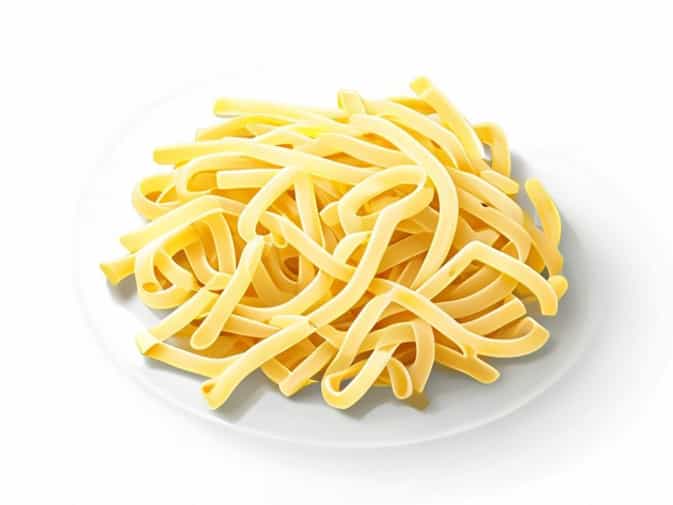
Tagliatelle is one of the most beloved types of pasta, known for its long, ribbon-like strands that perfectly capture sauces, from creamy Alfredo to rich Bolognese. Whether homemade or store-bought, tagliatelle is a staple in many kitchens. But what happens when you make too much or want to prepare meals in advance? The question many people ask is can you freeze tagliatelle? The good news is yes you can freeze tagliatelle successfully, as long as you follow the right methods. Understanding how to properly freeze and thaw this pasta ensures it keeps its texture, taste, and quality.
Freezing Tagliatelle The Basics
Freezing tagliatelle is a practical way to extend its shelf life and prevent waste. Whether the pasta is fresh or cooked, freezing helps preserve its structure and flavor. However, the method you use depends on the state of the pasta. Fresh tagliatelle, for example, requires a different approach than cooked tagliatelle. Both can be stored safely, but the goal is to prevent clumping, freezer burn, or mushy textures after thawing.
By understanding the right freezing techniques, you can prepare tagliatelle ahead of time and enjoy delicious pasta meals anytime without compromising on quality.
Freezing Fresh Tagliatelle
Fresh tagliatelle, whether handmade or purchased from a market, can be frozen immediately after it’s made. Freezing it in the right way locks in its freshness and makes it easy to cook directly from frozen when needed. Here’s how to do it properly.
Steps to Freeze Fresh Tagliatelle
- Step 1 Prepare the pasta properly.After rolling and cutting the pasta into ribbons, let the tagliatelle rest for about 15 20 minutes at room temperature. This allows excess moisture to evaporate and reduces the risk of sticking when frozen.
- Step 2 Portion the pasta.Divide the tagliatelle into small nests or portions. Each nest should be the amount you’d normally cook for one serving. Smaller portions make it easier to defrost only what you need later.
- Step 3 Freeze on a tray first.Arrange the tagliatelle nests on a baking sheet lined with parchment paper. Make sure the nests don’t touch each other. Place the tray in the freezer for about 1 2 hours until the pasta becomes firm.
- Step 4 Transfer to airtight storage.Once the tagliatelle is frozen solid, transfer the nests into airtight freezer bags or containers. Remove as much air as possible before sealing to prevent freezer burn.
- Step 5 Label and store.Label the container with the date. Fresh tagliatelle can be frozen for up to three months without losing quality.
When you’re ready to use it, there’s no need to thaw the pasta first. Simply cook the frozen tagliatelle directly in boiling salted water. It may take an extra minute or two to cook, but the result will be as fresh as the day you made it.
Freezing Cooked Tagliatelle
Sometimes, you may have leftover cooked tagliatelle after dinner. Instead of throwing it away, you can freeze it for future use. Freezing cooked pasta is slightly different from freezing it fresh, but it’s just as effective when done correctly. The key is to avoid overcooking the pasta before freezing, as reheating can soften it further.
How to Freeze Cooked Tagliatelle
- Step 1 Cool it down quickly.After cooking, drain the tagliatelle and toss it with a small amount of olive oil to prevent sticking. Let it cool completely at room temperature before freezing.
- Step 2 Portion it out.Divide the pasta into individual serving sizes. This makes it easy to reheat only what you need later on.
- Step 3 Use freezer-safe containers.Place the cooled portions into airtight containers or heavy-duty freezer bags. If using bags, press out as much air as possible before sealing.
- Step 4 Label and freeze.Write the freezing date on the container. Cooked tagliatelle can be stored in the freezer for up to two months.
Freezing Tagliatelle with Sauce
If your tagliatelle is already mixed with sauce, you can freeze it too. In fact, freezing pasta with sauce can help maintain moisture and prevent the noodles from drying out. Use freezer-safe containers and leave a little space at the top, as sauces tend to expand when frozen.
Popular sauces such as tomato-based, creamy, or meat sauces all freeze well. However, dairy-heavy sauces like Alfredo may separate slightly upon reheating, so stirring thoroughly during reheating helps restore the texture.
Thawing and Reheating Frozen Tagliatelle
How you thaw and reheat tagliatelle depends on whether it’s fresh or cooked. Each method helps retain the pasta’s quality and prevents it from becoming soggy.
For Frozen Fresh Tagliatelle
Fresh frozen tagliatelle can go straight into boiling water no thawing needed. Add it to a pot of salted boiling water and cook for about 3 5 minutes or until al dente. The pasta will separate as it cooks. Stir gently to prevent sticking.
For Frozen Cooked Tagliatelle
When reheating cooked tagliatelle, you can use one of several methods
- Boiling water methodBriefly dip the frozen pasta in boiling water for 30 60 seconds to heat it through.
- Microwave methodPlace the pasta in a microwave-safe dish, sprinkle a little water over it, cover, and heat in short bursts until warm.
- Pan methodAdd the pasta to a pan with a splash of water or sauce, cover, and reheat over low heat until warmed evenly.
Always reheat gently to avoid overcooking. If the pasta was frozen with sauce, stir occasionally to distribute heat and maintain consistency.
Tips for Best Results When Freezing Tagliatelle
Freezing pasta is simple, but a few extra tips can make a big difference in preserving quality and flavor. Here are some helpful guidelines to keep in mind
- Use airtight containers to prevent freezer burn and odors from affecting the pasta.
- Avoid freezing overcooked pasta it will become too soft after thawing.
- If freezing fresh pasta, dust it lightly with flour before freezing to prevent sticking.
- Label everything with the date to ensure you use it while still fresh.
- Always freeze pasta as soon as possible after making or cooking it to lock in freshness.
How Long Can You Freeze Tagliatelle?
Fresh tagliatelle can be frozen for up to three months, while cooked tagliatelle typically lasts up to two months. After this period, it may still be safe to eat but could lose flavor and texture. To enjoy the best results, use frozen tagliatelle within this timeframe.
If you notice any freezer burn, off smells, or changes in color, it’s best to discard the pasta. Proper storage and sealing prevent these issues and help the pasta taste fresh when cooked later.
Advantages of Freezing Tagliatelle
Freezing tagliatelle offers several benefits for home cooks and busy families. It saves time, reduces waste, and ensures you always have a meal ready to go. Some key advantages include
- Convenience for quick weekday meals.
- Preservation of homemade pasta quality and texture.
- Reduced food waste from leftovers.
- Flexibility to cook in batches and store for later use.
Freezing tagliatelle is also ideal for meal prep enthusiasts who enjoy cooking in advance. You can make a large batch, freeze individual portions, and enjoy homemade pasta anytime without additional work.
So, can you freeze tagliatelle? Absolutely. Whether it’s fresh or cooked, freezing tagliatelle is an excellent way to preserve its flavor and texture for future use. The key is to follow the right techniques cooling it properly, using airtight storage, and freezing in manageable portions. When cooked or reheated correctly, frozen tagliatelle tastes just as good as freshly made pasta. With this method, you can always have a delicious Italian meal ready, turning any day into a pasta night without extra effort.