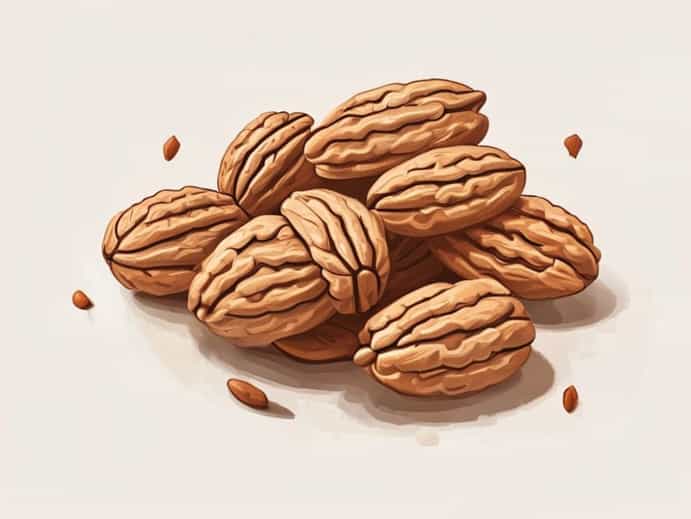
Baking with nuts can elevate the flavor and texture of many recipes, from cookies and cakes to bread and pastries. Walnuts, in particular, are popular for their rich, slightly bitter taste and satisfying crunch. However, nuts are prone to going rancid over time, especially if they are not stored properly. This raises an important question for home bakers and professional chefs alike can you bake with rancid walnuts? Understanding the effects of rancidity on flavor, nutrition, and safety is essential before adding these nuts to any recipe.
What Are Rancid Walnuts?
Rancid walnuts are nuts that have undergone oxidation, a chemical process in which the fats in the nuts break down. This can happen when walnuts are exposed to air, heat, or light for prolonged periods. The result is a noticeable change in smell and taste rancid walnuts often smell bitter, stale, or even slightly metallic. Their flavor can overpower a dish and negatively affect the overall taste, even when baked. While rancid walnuts may not always be visibly spoiled, the subtle signs can be detected by smell and taste tests.
Signs That Walnuts Are Rancid
Identifying rancid walnuts before using them in baking is crucial. Common indicators include
- A bitter or sour taste when sampling a small piece.
- An off, stale, or chemical-like odor.
- Discoloration or shriveling of the walnut kernels.
- An unpleasant texture, such as excessive dryness or softness.
Using walnuts that display these signs in baking will likely result in a baked good with an undesirable flavor.
The Effects of Rancid Walnuts on Baking
Using rancid walnuts in baked goods can negatively impact both taste and quality. Even though baking involves heat, which kills bacteria, it does not reverse the chemical changes that cause rancidity. Therefore, the bitter or stale flavors of rancid walnuts will remain, and may become more pronounced when combined with sugar and other ingredients. This can make cookies, cakes, muffins, or bread taste unpleasant, ruining what could have been a well-balanced recipe.
Nutritional Considerations
Rancid walnuts also lose some of their nutritional value. Walnuts are rich in healthy fats, antioxidants, and vitamins. Oxidation diminishes these beneficial compounds, reducing the health benefits of consuming the nuts. While eating a small amount of rancid walnuts may not cause immediate illness, it is not recommended for regular consumption due to potential long-term health concerns associated with oxidized fats, which can contribute to inflammation and cellular damage over time.
Can You Bake with Rancid Walnuts?
Technically, it is possible to bake with rancid walnuts, as the heat from baking will not make the nuts unsafe to eat in small quantities. However, the outcome is likely to be unsatisfactory due to the bitter or off flavors that rancid walnuts impart. Most bakers recommend discarding any nuts that show signs of rancidity and replacing them with fresh ones to maintain both taste and nutritional quality. Even if the baked product appears normal in texture, the flavor can be compromised beyond repair.
Alternatives to Using Rancid Walnuts
If you discover that your walnuts are rancid, there are a few alternatives to consider
- Replace them with fresh walnuts stored in an airtight container in the refrigerator or freezer.
- Use other types of nuts, such as pecans or almonds, that may still be fresh.
- Omit nuts entirely from the recipe if they are not a critical component.
- Toast the nuts lightly to bring out flavor, but only if they are not rancid.
Proper storage is key to preventing rancidity. Keeping walnuts in a cool, dark place, preferably in sealed containers, can extend their shelf life and maintain their flavor for months. Freezing walnuts is an especially effective method for long-term storage.
How to Store Walnuts to Prevent Rancidity
Preventing walnuts from going rancid is easier than trying to salvage them once the problem occurs. Here are some tips for maintaining freshness
- Store walnuts in airtight containers to reduce exposure to air.
- Keep them in a cool environment, such as a refrigerator or freezer.
- Avoid storing walnuts near strong-smelling foods, as they can absorb odors.
- Purchase walnuts in smaller quantities to ensure they are used before their fats oxidize.
- Check expiration dates and conduct regular smell and taste tests to confirm freshness.
Freezing Walnuts
Freezing walnuts is highly effective in prolonging their shelf life. When stored in an airtight container or heavy-duty freezer bag, walnuts can last for up to a year in the freezer without losing flavor. This method is especially useful for bakers who do not use nuts frequently, ensuring that walnuts remain fresh and flavorful whenever they are needed for recipes.
Baking with rancid walnuts is not recommended due to the off flavors and diminished nutritional value associated with oxidized fats. While heat may make the nuts safe to consume in small amounts, the bitterness and stale taste will negatively impact the final baked product. To maintain quality and flavor, it is best to use fresh walnuts stored properly in airtight containers, in the refrigerator, or frozen. Regularly checking nuts for signs of rancidity and following proper storage techniques ensures that your baked goods will be both delicious and nutritious. Ultimately, avoiding rancid walnuts guarantees better taste, improved texture, and a healthier outcome for any recipe.