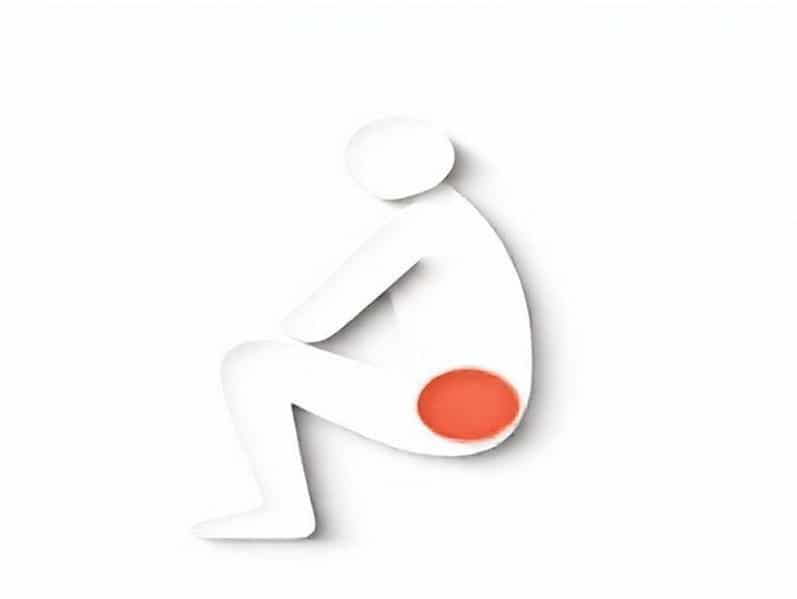
Many people wonder if squatting can lead to hemorrhoids, a common condition that affects the veins in the rectal and anal area. Hemorrhoids, also known as piles, can cause discomfort, itching, bleeding, and swelling, making daily activities uncomfortable. Understanding the relationship between squatting and hemorrhoids is important for anyone who regularly engages in physical activities that involve bending, lifting, or maintaining a squat position. While squatting itself is a natural posture that has been used for centuries for toileting and exercise, it can sometimes contribute to pressure in the rectal area, which may exacerbate existing hemorrhoid issues or trigger symptoms in susceptible individuals.
Understanding Hemorrhoids
Hemorrhoids are swollen veins located around the anus or lower rectum. They can be classified as internal, which occur inside the rectum, or external, which appear under the skin around the anus. Hemorrhoids are caused by increased pressure in the lower rectum, often from straining during bowel movements, prolonged sitting, chronic constipation, pregnancy, or heavy lifting. They are common across all age groups, but certain lifestyle factors can increase the likelihood of developing them.
Common Symptoms
- Itching or irritation around the anus
- Pain or discomfort, especially during bowel movements
- Swelling or lumps near the anus
- Bleeding during bowel movements, usually bright red
- Mucus discharge in some cases
Squatting and Its Effect on the Rectal Area
Squatting is a posture in which the knees are bent, and the body weight is balanced on the feet while the hips are lowered. It is commonly used during exercises such as weightlifting, yoga, or functional fitness routines. Squatting can also be a natural position for defecation, as it helps align the rectum in a way that may facilitate easier bowel movements. However, the effect of squatting on hemorrhoids depends on the duration, frequency, and individual susceptibility to increased rectal pressure.
Squatting for Exercise
When performed correctly, squatting is beneficial for the lower body muscles, including the glutes, quadriceps, and hamstrings. It improves strength, stability, and mobility. However, deep squats, heavy weights, or holding the squat position for extended periods can increase intra-abdominal and rectal pressure. For individuals prone to hemorrhoids, this added pressure may irritate existing hemorrhoids or trigger mild symptoms. Proper form and avoiding excessive strain are essential to reduce the risk.
Squatting for Bowel Movements
Historically, squatting has been used as a natural position for defecation, which can help straighten the rectal canal for easier elimination. This can potentially reduce straining, one of the primary causes of hemorrhoids. Some studies suggest that using a squatting position, or even a footstool to mimic the squat while sitting on a toilet, may reduce the risk of developing hemorrhoids by promoting smoother bowel movements. Therefore, squatting itself is not inherently harmful and may even be protective in the context of avoiding constipation and straining.
Factors That Increase Hemorrhoid Risk While Squatting
While squatting can be beneficial, certain factors can increase the risk of hemorrhoid flare-ups or discomfort. These include prolonged squatting, improper technique, heavy lifting, and chronic constipation. Understanding these factors helps in modifying routines to prevent hemorrhoid development or aggravation.
Prolonged Squatting
Holding a squat for long periods, especially without support, increases pressure on the rectal veins. This is particularly true for individuals with pre-existing hemorrhoids. Exercises or tasks that require extended squatting should be balanced with breaks and proper posture to minimize strain.
Improper Squat Technique
Incorrect squat form, such as rounding the lower back or leaning too far forward, can shift pressure onto the pelvic and rectal area. Maintaining proper alignment with knees tracking over the toes, a straight back, and controlled breathing helps distribute pressure evenly, reducing the risk of rectal vein irritation.
Heavy Lifting
Combining squats with heavy lifting or sudden exertion increases intra-abdominal pressure, which may aggravate hemorrhoids. Weightlifters are advised to use proper breathing techniques, such as exhaling during exertion, to prevent straining and pressure spikes in the rectal area.
Chronic Constipation
Individuals with chronic constipation are at a higher risk of hemorrhoid development. Squatting may help relieve constipation when used as a natural elimination posture, but if the underlying bowel issues persist, hemorrhoids can still develop or worsen. Adequate hydration, high-fiber diet, and regular bowel habits are essential preventive measures.
Preventive Measures for Hemorrhoids
Preventing hemorrhoids while squatting involves a combination of lifestyle changes, proper techniques, and attention to bowel health. These measures help reduce pressure on rectal veins and minimize irritation.
Proper Exercise Technique
- Use correct squat form and alignment
- Avoid holding squats for extended periods without breaks
- Incorporate warm-ups and stretching to improve flexibility
- Use moderate weights to reduce excessive pressure
Diet and Hydration
A fiber-rich diet and adequate hydration are essential to prevent constipation, straining, and hemorrhoid development. Foods such as fruits, vegetables, whole grains, and legumes promote regular bowel movements and softer stools. Drinking sufficient water daily also helps maintain digestive health.
Healthy Bowel Habits
- Use a squatting position or footstool when using the toilet to reduce straining
- Avoid prolonged sitting on the toilet
- Respond promptly to bowel movement urges to prevent stool hardening
- Exercise regularly to support healthy digestion and circulation
Treatment for Hemorrhoid Symptoms
Even with preventive measures, hemorrhoid symptoms can still occur. Treatments focus on relieving discomfort, reducing inflammation, and promoting healing. Mild cases often respond to lifestyle changes, while more severe cases may require medical intervention.
Home Remedies
- Sitz baths to soothe irritation and swelling
- Topical ointments or creams for pain relief
- Cold compresses to reduce swelling
- High-fiber diet and increased water intake
Medical Treatments
Persistent or severe hemorrhoids may require treatments such as rubber band ligation, sclerotherapy, or surgical removal. Consulting a healthcare professional is essential if symptoms include significant bleeding, persistent pain, or prolapsed hemorrhoids.
Squatting, whether for exercise or natural bowel movements, does not inherently cause hemorrhoids. In fact, squatting can aid in reducing straining during defecation, which is a leading cause of hemorrhoid development. However, prolonged squatting, heavy lifting, poor technique, and pre-existing susceptibility can increase the risk of irritation. Preventive measures such as proper form, dietary adjustments, hydration, and healthy bowel habits are critical for minimizing hemorrhoid symptoms. Understanding the relationship between squatting and rectal vein pressure helps individuals maintain both fitness and digestive health while preventing discomfort and long-term complications associated with hemorrhoids.