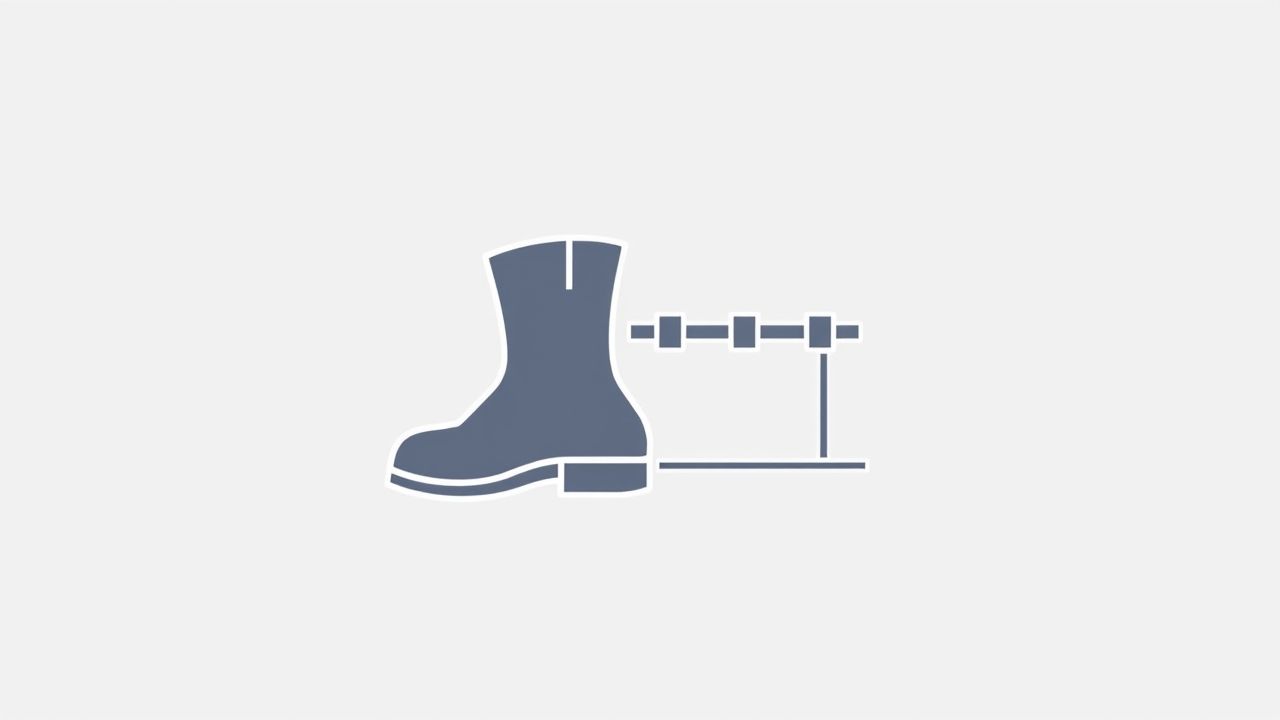
Boots and bars is a widely used treatment method for clubfoot, a congenital deformity affecting the feet in newborns, characterized by inward rotation, downward pointing, and stiffness. Early and consistent intervention is critical for correcting the deformity, ensuring proper foot alignment, and enabling normal walking patterns. The boots and bars system, often used after serial casting in the Ponseti method, plays a key role in maintaining correction, preventing relapse, and supporting long-term functional outcomes. Understanding the purpose, application, and management of boots and bars is essential for caregivers and healthcare providers to optimize results in children with clubfoot.
Understanding Clubfoot
Clubfoot, medically known as congenital talipes equinovarus, affects approximately 1 in 1,000 live births globally. The condition can involve one or both feet and is more common in males. The foot typically presents as twisted inward at the ankle and forefoot, with the sole pointing downward. Without proper treatment, clubfoot can lead to difficulty walking, pain, and abnormal gait patterns. Management focuses on correcting the deformity while preserving mobility and function.
Causes of Clubfoot
The exact cause of clubfoot is often multifactorial, including genetic and environmental factors. Key contributors include
- Family history of clubfoot, suggesting a genetic predisposition
- Abnormal positioning of the fetus in the womb
- Neuromuscular disorders that affect muscle tone and limb development
- Other congenital syndromes associated with skeletal deformities
The Role of Boots and Bars in Clubfoot Treatment
Boots and bars, also called an abduction brace, are used primarily after serial casting to maintain the correction achieved in clubfoot treatment. The system consists of specially designed shoes (boots) attached to a rigid bar that keeps the feet in the corrected position. Typically, the boots are adjustable to accommodate foot size, while the bar maintains proper abduction and external rotation. The use of boots and bars is critical to prevent relapse, which is common in untreated or inadequately treated cases.
Application and Use
The boots and bars system is usually recommended as follows
- Initially worn full-time for 23 hours per day, for the first 3 months after casting
- Gradually reduced to nighttime and nap-time use, often until the child is 4 to 5 years old
- Proper adjustment ensures the feet remain in abduction and dorsiflexion, preventing inward rotation
- Regular follow-up appointments with a pediatric orthopedic specialist are necessary to monitor growth and brace fit
Benefits of Boots and Bars
Using boots and bars provides several benefits in the management of clubfoot
- Maintains correctionEnsures that the alignment achieved through casting remains intact.
- Prevents relapseSignificantly reduces the risk of the foot returning to its abnormal position.
- Supports normal gait developmentPromotes proper muscle and bone development for walking and running.
- Non-invasiveOffers a conservative approach, avoiding the need for extensive surgery.
Challenges and Considerations
While boots and bars are highly effective, there are several challenges associated with their use
- Initial discomfort or resistance from the child, which may require gradual adaptation
- Skin irritation or pressure sores if the brace is not properly fitted or monitored
- Compliance issues, as long-term use is necessary to prevent relapse
- Need for periodic adjustments as the child grows
Monitoring and Follow-Up
Successful management with boots and bars depends on diligent monitoring and follow-up. Healthcare providers typically schedule regular appointments to
- Check for proper fit of the boots and bar
- Assess foot alignment and detect any early signs of relapse
- Provide guidance on skin care to prevent irritation or breakdown
- Offer parental education on correct application and wear schedules
- Evaluate overall musculoskeletal development and gait progression
Parental Education and Support
Parental involvement is critical for the success of boots and bars therapy. Parents should be educated on
- Proper application and adjustment of the boots and bar
- Signs of discomfort, skin irritation, or improper fit
- The importance of adherence to wear schedules, both full-time and nighttime
- Strategies for encouraging the child to accept the brace
- Monitoring foot growth and developmental milestones
Long-Term Outcomes
When boots and bars are used correctly, long-term outcomes for children with clubfoot are generally positive. Most children achieve
- Normal or near-normal foot appearance and function
- Ability to walk, run, and participate in physical activities without significant limitations
- Reduced need for invasive surgical interventions
- Low risk of recurrent deformity if brace protocols are followed
Importance of Early Intervention
Early diagnosis and treatment of clubfoot are essential for optimal results. Initiating serial casting followed by boots and bars shortly after birth ensures that the foot is flexible and responsive to conservative correction methods. Delayed treatment may require more invasive procedures and carries a higher risk of relapse.
Boots and bars remain a cornerstone in the effective management of clubfoot, providing a non-invasive means of maintaining correction after casting and preventing relapse. The system, when used consistently and correctly, supports proper foot alignment, muscle development, and gait function. Parental education, careful monitoring, and regular follow-up are essential components of successful treatment. With early intervention, adherence to wear schedules, and proper guidance from healthcare providers, children with clubfoot can achieve excellent functional and cosmetic outcomes, enabling normal participation in daily activities and physical pursuits.