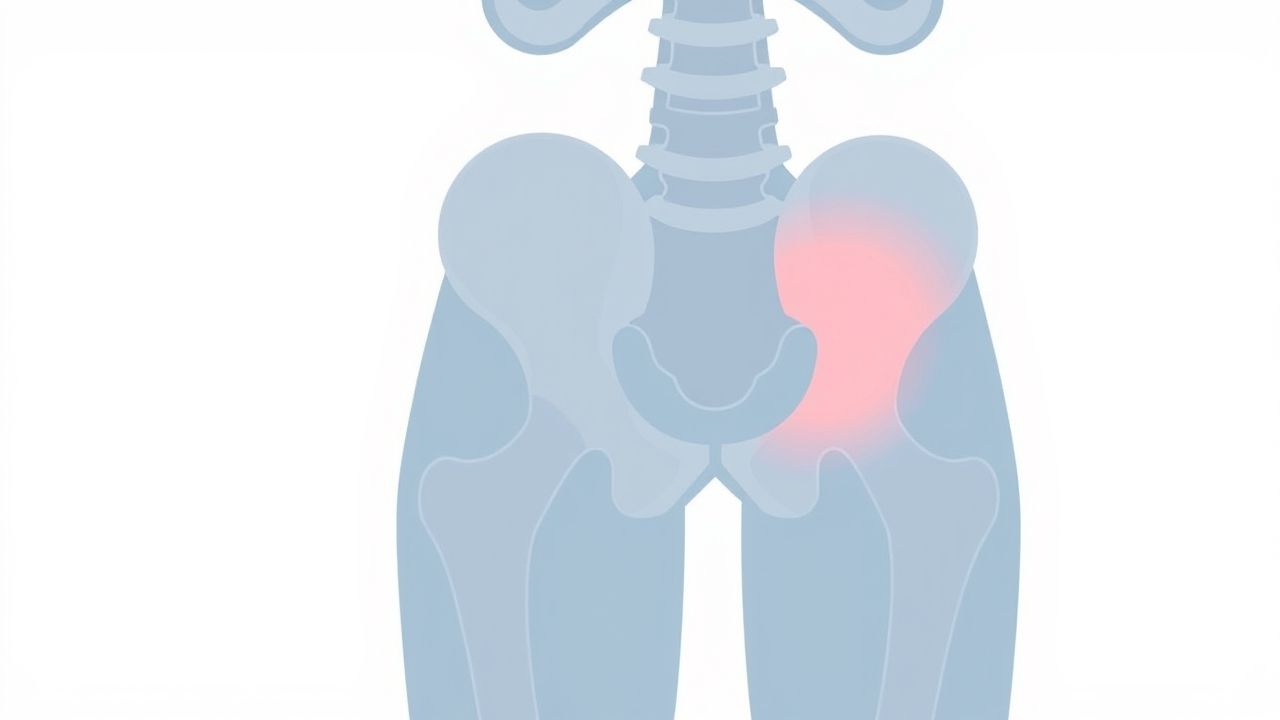
Bone pain can be a distressing and life-limiting symptom, often seen in patients with metastatic cancer, advanced osteoporosis, or certain chronic musculoskeletal conditions. Proper bone pain palliation is not only about reducing discomfort but also improving mobility, emotional well-being, and overall quality of life. Following established guidelines helps healthcare providers choose effective strategies while minimizing side effects, ensuring patients can continue daily activities with greater comfort and dignity.
Understanding Bone Pain and Its Causes
Bone pain palliation guidelines begin with recognizing the root causes of the pain. Bone pain may originate from direct injury, inflammation, or tumor infiltration in bone tissue. In metastatic cancer, for example, cancer cells spread to the bone, weakening its structure and causing persistent pain. Understanding whether the pain is localized, diffuse, or associated with nerve involvement is key to determining an effective treatment plan.
Common Causes
- Metastatic bone disease
- Osteoporosis and fractures
- Arthritis and degenerative joint disease
- Primary bone tumors
- Infections such as osteomyelitis
Principles of Bone Pain Palliation
The goal of palliation is not always to cure the underlying disease but to relieve pain and improve quality of life. Guidelines emphasize a holistic approach that includes pharmacological treatments, physical therapies, psychological support, and, when appropriate, interventional or surgical options.
Core Principles
- Individualized treatment based on patient condition and pain severity
- Combination of pharmacologic and non-pharmacologic methods
- Regular reassessment and adjustment of therapy
- Early intervention to prevent pain escalation
Pharmacological Management
Medication remains the mainstay of bone pain palliation. The World Health Organization (WHO) analgesic ladder is often referenced, guiding healthcare professionals to escalate pain management in a stepwise manner.
Common Drug Classes
- Nonsteroidal Anti-inflammatory Drugs (NSAIDs)Useful for inflammatory pain, particularly in arthritis or metastatic bone disease.
- OpioidsEffective for moderate to severe pain but require careful monitoring for side effects and dependency risk.
- Adjuvant AnalgesicsSuch as antidepressants or anticonvulsants for nerve-related pain components.
- BisphosphonatesHelp reduce bone breakdown and are particularly beneficial in metastatic cancer-related bone pain.
- DenosumabA monoclonal antibody that prevents bone resorption and can alleviate pain in cancer patients.
Radiotherapy for Bone Pain
External beam radiotherapy is a well-established method for palliation of painful bone metastases. Even a single fraction can provide significant relief in many patients. Guidelines recommend radiotherapy when pain is localized and not responding to systemic therapy.
Radiotherapy Approaches
- Single-fraction treatment for convenience and quick relief
- Multiple-fraction regimens for patients with more complex needs
- Targeted stereotactic techniques for precision treatment
Radiopharmaceuticals in Palliation
For patients with widespread bone metastases, injectable radiopharmaceuticals such as strontium-89, samarium-153, or radium-223 can deliver targeted radiation directly to affected areas. These treatments can reduce pain without the need for multiple external beam sessions.
Benefits
- Effective for multiple sites of bone pain
- Minimal hospital visits
- May also reduce risk of further bone fractures
Non-Pharmacologic Approaches
While medications and radiation play a central role, guidelines also highlight the importance of supportive measures to reduce pain and improve function. Non-pharmacologic strategies are often used alongside medical treatments for a more comprehensive approach.
Examples
- Physical therapy to maintain mobility and prevent muscle atrophy
- Orthopedic supports like braces or splints
- Heat or cold therapy for localized relief
- Occupational therapy for adapting daily activities
Psychological and Emotional Support
Chronic bone pain can lead to depression, anxiety, and social withdrawal. Bone pain palliation guidelines emphasize integrating mental health support into the treatment plan.
Supportive Measures
- Counseling or cognitive behavioral therapy (CBT)
- Support groups for patients and families
- Mindfulness-based stress reduction techniques
Interventional and Surgical Options
When pain is severe and not controlled by medications or radiation, interventional procedures may be considered.
Examples
- Vertebroplasty or kyphoplasty for vertebral fractures
- Nerve blocks for localized pain
- Orthopedic stabilization of fractures
Monitoring and Reassessment
Effective palliation is a dynamic process. Guidelines stress the need for regular pain assessments, adjustment of treatment plans, and monitoring for side effects. Patient-reported outcomes play an essential role in evaluating whether the current strategy is meeting goals.
Assessment Tools
- Pain scales such as the Numeric Rating Scale (NRS) or Visual Analog Scale (VAS)
- Functional assessments to measure mobility and daily activity performance
- Quality of life questionnaires
Special Considerations in Palliative Care
In advanced disease, bone pain palliation often occurs in the context of broader palliative care. This requires coordination among oncologists, pain specialists, palliative care physicians, nurses, and therapists to provide seamless, patient-centered care.
Key Considerations
- Balancing pain relief with side effect management
- Respecting patient preferences and goals
- Coordinating with hospice care when appropriate
Bone pain palliation guidelines provide a structured framework to manage one of the most debilitating symptoms in advanced illness. By combining pharmacologic treatments, radiation therapy, supportive measures, and psychological care, healthcare providers can offer relief that enhances both physical and emotional well-being. Early recognition, individualized plans, and ongoing reassessment remain central to achieving the best possible outcomes for patients living with chronic bone pain.