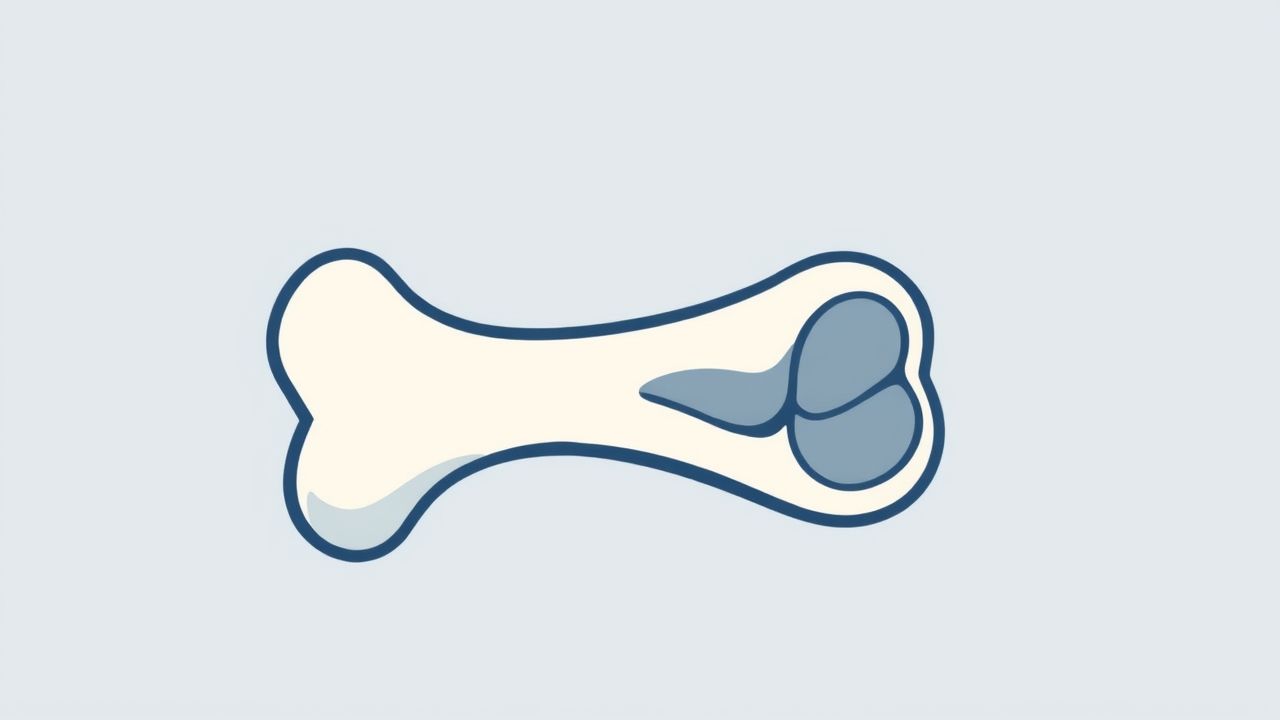
Bone marrow gelatinous transformation is a rare but significant condition that reflects changes in the bone marrow’s structure and composition. It often signals an underlying health problem, usually related to severe illness, malnutrition, or chronic disease. In this transformation, the normal bone marrow cells are replaced by a gelatinous substance composed of mucopolysaccharides, leading to reduced cellularity and fat content. Understanding this condition is important for both patients and healthcare professionals, as it can offer valuable clues about a person’s overall health status and guide further medical evaluation.
Understanding Bone Marrow Gelatinous Transformation
Bone marrow is the soft, spongy tissue inside bones that plays a crucial role in producing blood cells. When gelatinous transformation occurs, the marrow loses its normal balance of hematopoietic (blood-forming) cells and fat cells, replacing them with a semi-transparent, jelly-like material. This process is also known as serous atrophy of bone marrow.
How It Happens
The gelatinous material forms due to the accumulation of mucopolysaccharides in the bone marrow. This buildup changes the consistency and function of the marrow. As a result, the production of red blood cells, white blood cells, and platelets can be affected, potentially leading to anemia, weakened immunity, or bleeding tendencies.
Causes of Gelatinous Transformation
This condition does not develop on its own without an underlying cause. Instead, it is usually a secondary effect of other health issues. Some of the most common causes include
- Severe malnutrition– Often due to chronic illness, eating disorders, or extreme dietary deficiencies.
- Chronic infections– Long-lasting infections can lead to systemic changes that affect bone marrow health.
- Advanced cancers– Certain cancers, especially those that spread to the bone marrow, can trigger this transformation.
- HIV/AIDS– Immune system compromise can alter marrow composition.
- Chronic inflammatory conditions– Diseases like rheumatoid arthritis or lupus may play a role.
Relation to Starvation and Cachexia
Bone marrow gelatinous transformation is frequently associated with states of extreme weight loss, such as starvation or cachexia (a wasting syndrome seen in chronic illness). The lack of essential nutrients forces the body to consume fat reserves, including those in the bone marrow, leading to the replacement of normal tissue with gelatinous material.
Symptoms and Clinical Presentation
One of the challenges in diagnosing this condition is that it does not produce symptoms on its own. Instead, the symptoms are often related to the underlying disease or the resulting blood cell deficiencies. Possible signs include
- Fatigue and weakness due to anemia
- Increased susceptibility to infections from low white blood cell counts
- Easy bruising or bleeding caused by low platelet levels
- Significant, unexplained weight loss
- Signs of malnutrition, such as brittle hair or skin changes
When to Seek Medical Attention
Any individual experiencing rapid weight loss, persistent fatigue, frequent infections, or unexplained bleeding should seek medical evaluation. While these symptoms are not specific to gelatinous transformation, they indicate that something serious could be affecting overall health.
Diagnosis
The only definitive way to diagnose bone marrow gelatinous transformation is through a bone marrow biopsy. In this procedure, a small sample of bone marrow is removed and examined under a microscope. Pathologists will observe reduced fat and hematopoietic cells, with the presence of gelatinous mucopolysaccharide material.
Additional Tests
Alongside biopsy, doctors may recommend
- Complete blood count (CBC) to evaluate blood cell levels
- Nutritional assessments to check for deficiencies
- Screening for infections or chronic inflammatory diseases
- Imaging studies if cancer is suspected
Treatment Approaches
Treatment focuses on addressing the underlying cause rather than the gelatinous transformation itself. Once the root problem is treated, bone marrow can often recover its normal structure and function.
Possible Treatments Include
- Nutritional support– High-calorie, nutrient-rich diets or supplementation for malnutrition.
- Infection control– Antibiotics or antiviral treatments for chronic infections.
- Cancer therapy– Chemotherapy, targeted therapy, or radiation when cancer is present.
- Management of chronic disease– Medications to control autoimmune or inflammatory conditions.
Prognosis
The outlook depends heavily on the cause. If detected early and the underlying condition is treatable, recovery of bone marrow function is possible. However, in severe, untreated, or advanced illnesses, the prognosis may be poor.
Prevention and Risk Reduction
While some causes of bone marrow gelatinous transformation cannot be prevented, certain steps may reduce risk
- Maintaining balanced nutrition, especially during illness
- Seeking medical care for chronic symptoms
- Managing long-term diseases effectively
- Regular health check-ups to detect early signs of systemic illness
Importance in Medical Practice
For healthcare providers, recognizing gelatinous transformation is crucial because it acts as a red flag for severe systemic disease. It can guide clinicians toward more thorough evaluations and help identify conditions that might otherwise go unnoticed until later stages.
Research Insights
Studies on bone marrow gelatinous transformation are relatively limited due to its rarity. However, available research highlights its frequent link with poor nutritional status and severe disease progression. Continued study can improve understanding and lead to better preventive and therapeutic strategies.
Key Takeaways
Bone marrow gelatinous transformation is not a disease in itself but a sign of serious underlying problems such as malnutrition, chronic infections, cancer, or autoimmune disorders. It results from the replacement of normal bone marrow tissue with a gelatinous, mucopolysaccharide-rich substance, impairing blood cell production. Early detection, thorough investigation, and treatment of the root cause are essential for improving outcomes.
Maintaining good nutrition, managing chronic health issues, and paying attention to warning signs can help reduce the risk of developing this condition. For patients diagnosed with gelatinous transformation, working closely with healthcare providers to address the underlying cause offers the best chance for recovery and improved quality of life.