The natural world has witnessed some of the most astonishing creatures in history, each remarkable in its own way. Among these, the blue whale and the sauropod are frequently compared due to their immense size, representing extremes in the animal kingdom. The blue whale, the largest living creature on Earth today, inhabits oceans and showcases extraordinary adaptations for aquatic life. In contrast, sauropods were gigantic terrestrial dinosaurs that roamed the Earth millions of years ago, displaying unique evolutionary features suited for life on land. Exploring the differences and similarities between these two giants offers insight into how size, environment, physiology, and evolutionary strategies shape life across different eras and habitats.
Introduction to Blue Whales
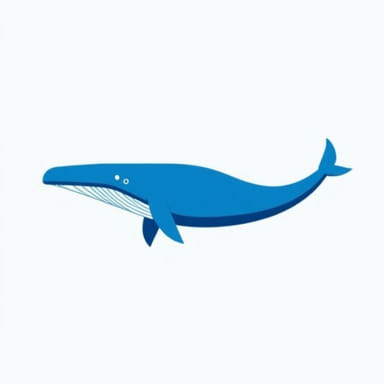
Blue whales (Balaenoptera musculus) are marine mammals that hold the title of the largest animal to have ever existed on Earth. These magnificent creatures can reach lengths of up to 100 feet and weigh as much as 200 tons. Blue whales are filter feeders, primarily consuming tiny krill, and they have evolved streamlined bodies, blubber for insulation, and specialized baleen plates for feeding efficiently in ocean environments. Their massive size, combined with their aquatic lifestyle, allows them to move gracefully through vast oceans, demonstrating how marine ecosystems can support extraordinary gigantism.
Characteristics of Blue Whales
- Body StructureElongated, streamlined body adapted for efficient swimming.
- RespirationBlowholes on top of their heads enable them to breathe at the surface without exposing the entire body.
- FeedingBaleen plates allow the filtration of large quantities of krill from seawater.
- CommunicationUse low-frequency vocalizations to communicate over long distances underwater.
- LifespanBlue whales can live 70 to 90 years in the wild.
Introduction to Sauropods
Sauropods were a diverse group of long-necked, herbivorous dinosaurs that lived during the Mesozoic Era, including giants such as Argentinosaurus, Brachiosaurus, and Diplodocus. They could reach lengths of over 100 feet and weigh upwards of 70 tons, making them some of the largest terrestrial animals in history. Sauropods had massive bodies supported by pillar-like legs, long necks for browsing foliage high in trees, and relatively small heads compared to their bodies. Their gigantism on land required unique adaptations for skeletal support, circulatory efficiency, and digestion to sustain their enormous size.
Characteristics of Sauropods
- Body StructureLong necks and tails, robust bodies supported by strong limbs.
- RespirationLikely had bird-like lungs and air sacs to facilitate efficient oxygen supply.
- FeedingHerbivorous diet, feeding on leaves, ferns, and conifers using peg-like teeth.
- GrowthRapid growth rates allowed them to reach enormous sizes within a few decades.
- ReproductionLaid eggs, often in large colonies for protection against predators.
Size Comparison
When comparing blue whales and sauropods, their immense sizes are a focal point. Blue whales hold the record for length and mass among living animals, with adults reaching up to 200 tons. In contrast, sauropods were slightly lighter in weight for their extreme length, with some species reaching lengths of over 100 feet but weighing around 70 tons on average. The difference in mass between aquatic and terrestrial giants illustrates how buoyancy in water allows marine animals like blue whales to grow heavier and larger than land-dwelling creatures without the constraints of gravity.
Environmental Adaptations
The differences in habitat between blue whales and sauropods necessitated distinct adaptations for survival. Blue whales live in aquatic environments, where water supports their massive bodies and enables energy-efficient movement. Sauropods, however, had to develop strong skeletal and muscular systems to support their weight on land, including pillar-like limbs and specialized vertebrae. Furthermore, blue whales have blubber for insulation in cold waters, whereas sauropods likely relied on gigantothermy, maintaining stable body temperatures due to their massive size and slow heat loss.
Feeding Mechanisms
Feeding strategies also differ greatly between the two giants. Blue whales are filter feeders, consuming millions of small krill daily by taking in enormous volumes of seawater and straining the prey through baleen plates. Sauropods, on the other hand, were herbivores with specialized teeth adapted for stripping leaves from trees. Their long necks allowed them to access high vegetation, reducing competition for food. Both species illustrate how gigantism is closely tied to efficient feeding strategies within their respective environments.
Movement and Locomotion
Locomotion is another area where aquatic and terrestrial life diverges. Blue whales use their powerful tail flukes to propel themselves through the water, gliding smoothly with minimal energy expenditure. Sauropods relied on massive, column-like legs for movement, with walking speeds limited by their immense weight and structural constraints. Water provides a supportive medium that enables blue whales to attain greater size and mobility compared to the constraints of gravity on land-dwelling sauropods.
Longevity and Reproduction
Both blue whales and sauropods exhibit fascinating aspects of reproduction and lifespan. Blue whales reach sexual maturity around 10 years of age and reproduce by giving birth to live young, typically one calf at a time. In contrast, sauropods reproduced by laying large numbers of eggs, which were vulnerable to predators, relying on quantity over individual survival. Lifespan estimates for blue whales range between 70 and 90 years, whereas sauropod lifespans are less certain but likely ranged from 70 to 100 years for larger species, influenced by growth rates and environmental conditions.
Ecological and Evolutionary Significance
Both the blue whale and sauropods demonstrate the possibilities and constraints of gigantism in different environments. Blue whales play a crucial role in marine ecosystems by regulating krill populations and facilitating nutrient cycling through their waste. Sauropods, as primary herbivores, shaped plant communities and influenced terrestrial ecosystem structures during the Mesozoic Era. Studying these giants provides insight into evolutionary pressures, adaptations, and ecological interactions that support life at extreme scales.
Comparing blue whales and sauropods reveals the remarkable diversity of life and the adaptations required to sustain enormous body sizes in different environments. While both are giants, the aquatic blue whale achieves its size through the support of water, filter-feeding strategies, and efficient swimming adaptations, whereas the terrestrial sauropod relies on strong skeletal structures, long necks, and herbivorous feeding to thrive on land. Understanding these differences enhances our knowledge of evolutionary biology, biomechanics, and the ecological roles of the largest animals to have ever lived. These creatures, though separated by millions of years and different habitats, continue to inspire awe and curiosity about the limits of life on Earth.