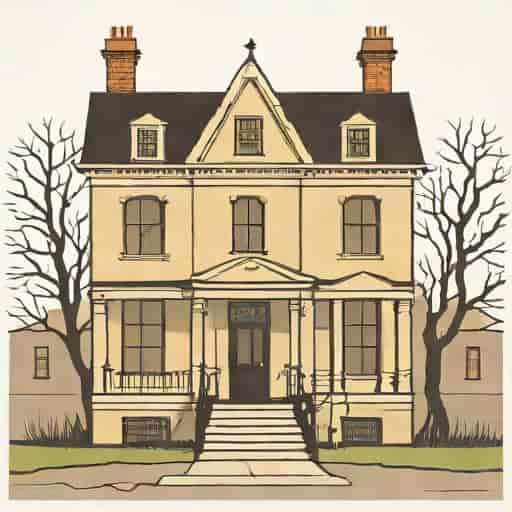
Charles Dickens’ novelBleak Housestands as one of the most intricate and compelling works of Victorian literature, weaving a tapestry of characters, social critique, and legal drama that continues to captivate readers today. First published in serial form between 1852 and 1853,Bleak Houseexplores themes of injustice, poverty, and the labyrinthine nature of the English legal system. The novel is famous for its dual narrative structure, alternating between the omniscient third-person perspective and the first-person voice of Esther Summerson, whose personal journey offers a human perspective on the societal issues Dickens exposes. Beyond its complex plot and memorable characters,Bleak Houseserves as a mirror to Victorian society, shedding light on the moral, social, and legal dilemmas of the time, making it a seminal work for students, scholars, and literature enthusiasts alike.
Historical Context of Bleak House
Written during the height of the Victorian era,Bleak Housereflects the social and legal challenges of mid-19th century England. Dickens was deeply concerned with the inefficiencies and corruption of the Court of Chancery, the judicial system responsible for equity cases. The endless delays, procedural complexities, and unjust outcomes associated with this court form the backdrop of the novel, symbolized most prominently by the fictional case of Jarndyce vs. Jarndyce. Through his vivid portrayal, Dickens exposes the devastating impact of legal bureaucracy on ordinary people, highlighting the need for reform while critiquing the social structures that perpetuate inequality.
Main Themes in Bleak House
Several themes emerge inBleak House, each contributing to its enduring relevance and literary power. Some of the most prominent include
- Social InjusticeDickens examines the disparities between the wealthy and the poor, illustrating how the lower classes suffer under societal and legal neglect.
- Corruption and BureaucracyThe novel critiques the inefficiency and moral corruption of institutions, particularly the legal system, which often benefits the elite at the expense of ordinary people.
- Hypocrisy and MoralityCharacters inBleak Housefrequently display moral ambiguity, contrasting outward respectability with hidden vices or secret kindnesses.
- Family and InheritanceIssues of lineage, inheritance, and the legacy of family disputes are central to the plot, driving much of the conflict in the story.
- Human CompassionAmidst the bleakness, Dickens emphasizes the importance of empathy, friendship, and personal integrity through characters like Esther Summerson.
Plot Overview
Bleak Houserevolves around the long-running legal case of Jarndyce vs. Jarndyce, which consumes the lives and fortunes of many who become entangled in it. The narrative follows multiple storylines, including the experiences of Esther Summerson, an orphan of mysterious parentage, who finds refuge in the household of John Jarndyce, a benevolent but burdened guardian. Through Esther’s eyes, readers witness the injustices faced by individuals caught in the grip of legal and social systems. Alongside her personal journey, the novel traces the fortunes and misfortunes of various characters, including Richard Carstone, Ada Clare, and Lady Dedlock, whose secrets and ambitions intertwine with the broader social critique Dickens presents.
Major Characters
The richness of Dickens’ characterization inBleak Housecontributes significantly to the novel’s enduring appeal. Key characters include
- Esther SummersonThe moral center and narrator for part of the novel, Esther embodies compassion, resilience, and integrity, offering readers a deeply human perspective on the surrounding chaos.
- John JarndyceA kind-hearted gentleman who becomes Esther’s guardian, representing the theme of benevolent authority and moral guidance.
- Lady DedlockA high-society figure with a hidden past, whose secrets drive much of the novel’s tension and reflect the theme of societal hypocrisy.
- Richard CarstoneA young man ensnared by the Jarndyce vs. Jarndyce case, illustrating the destructive effects of legal entanglement and obsession with inheritance.
- Mr. TulkinghornThe menacing lawyer whose pursuit of secrets and control over information underscores themes of power and manipulation.
- Inspector BucketOne of literature’s earliest detectives, Bucket’s investigation highlights Dickens’ interest in justice and the uncovering of truth amidst social corruption.
Literary Style and Narrative Technique
One of the most innovative aspects ofBleak Houseis its dual narrative structure. Dickens alternates between a third-person omniscient narrator and Esther Summerson’s first-person perspective. This approach allows the novel to present both a wide-ranging critique of society and intimate, personal experiences. Dickens’ prose combines vivid description, satirical commentary, and emotional depth, creating a story that is both socially critical and deeply human. The detailed depictions of London, the foggy atmosphere, and the symbolic use of weather and setting contribute to the novel’s mood and thematic resonance, establishingBleak Houseas a masterwork of Victorian literature.
Symbolism and Motifs
ThroughoutBleak House, Dickens employs symbolism and recurring motifs to reinforce his themes
- Fog and DarknessRepresenting confusion, moral ambiguity, and the obscured workings of the legal system.
- The Jarndyce vs. Jarndyce CaseSymbolizes the futility and destructiveness of bureaucratic and legal entanglements.
- Bleak HouseThe estate itself is both a refuge and a place of melancholy, reflecting the tension between safety, duty, and societal obligations.
- Secrets and Hidden IdentitiesCharacters’ concealed truths reveal the duplicity and complexity of social relationships in Victorian England.
Reception and Legacy
Upon its publication,Bleak Housewas praised for its narrative complexity, memorable characters, and social commentary. Critics and readers alike recognized Dickens’ ability to illuminate the injustices and inefficiencies of the legal system while creating a compelling story. The novel has since become a staple of literary study, influencing both literature and legal thought. Its innovative narrative techniques, use of social critique, and rich characterization continue to inspire adaptations in television, theater, and film, cementing its place as one of Dickens’ greatest achievements.
Bleak Houseby Charles Dickens remains an essential work for understanding Victorian literature, social commentary, and the evolution of narrative form. Its detailed exploration of the legal system, social inequalities, and human compassion offers readers a window into 19th-century England while addressing themes that remain relevant today. Through its dual narrative, intricate plot, and memorable characters,Bleak Housedemonstrates Dickens’ mastery of storytelling and his profound concern for justice, morality, and human dignity. The novel’s enduring appeal lies in its ability to combine social critique with engaging narrative, making it a timeless classic for scholars, students, and general readers seeking to understand both literature and society.