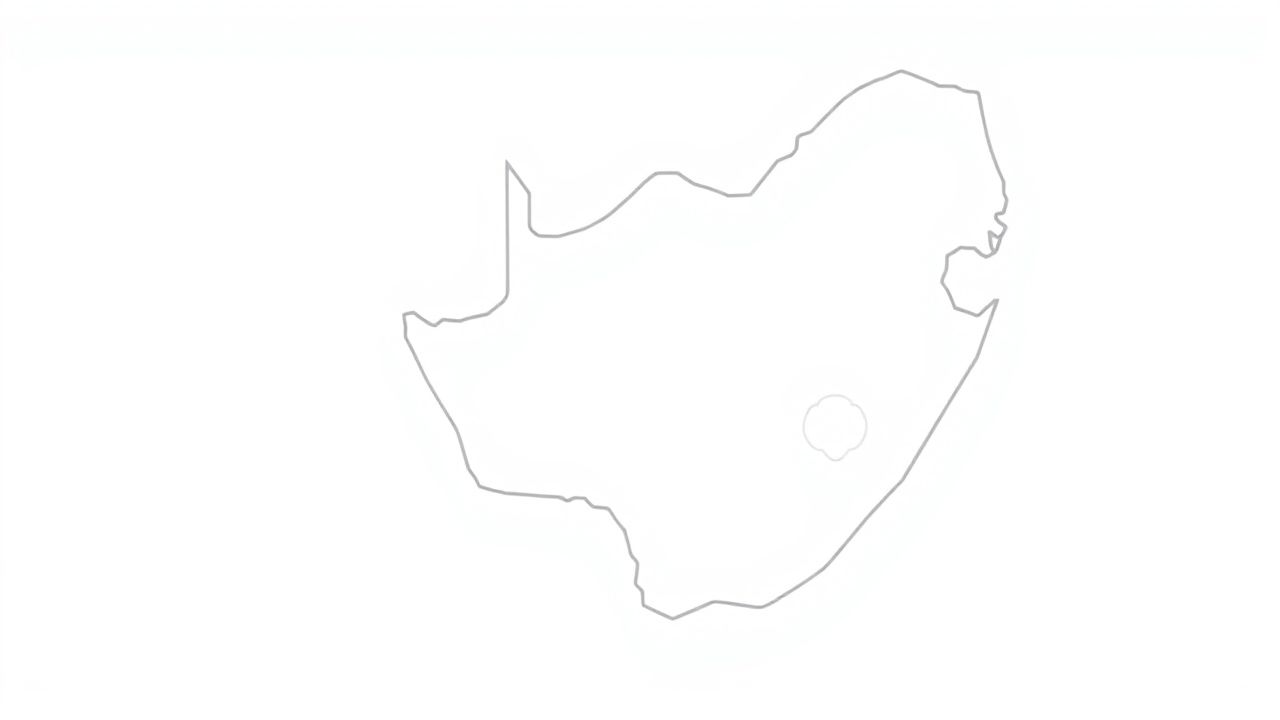
South Africa is a country with diverse geography, cultures, and histories spread across its nine provinces. Among these, the Northern Cape stands out as the biggest province in South Africa by land area. Despite being the largest, it has the lowest population density, which adds to its unique character. The vast open spaces, arid landscapes, and fascinating geological formations make this province a destination of great interest for researchers, travelers, and policy planners alike.
Location and Size of the Northern Cape
Geographical Position
The Northern Cape is located in the northwestern part of South Africa. It shares borders with Namibia and Botswana, making it a strategically positioned region for international connections and cross-border collaboration. Domestically, it borders four other South African provinces Western Cape, Eastern Cape, Free State, and North West.
Total Area and Size Comparison
The Northern Cape spans an area of approximately 372,889 square kilometers, making up about 30.5% of South Africa’s total land area. This is more than the combined size of some of the smaller provinces such as Gauteng, KwaZulu-Natal, and the Western Cape. In terms of area, it is significantly larger than any other province, but it remains sparsely populated.
Population and Density
Low Population Despite Large Size
While the Northern Cape is the largest province by land area, it has the smallest population. According to recent data, it is home to roughly 1.3 million people. This results in a very low population density of around 3.5 people per square kilometer. The vast open lands and desert-like conditions contribute to this low population figure.
Urban Centers
The capital city of the province is Kimberley, which is also its most significant urban center. Kimberley is historically famous for its diamond mining history and is home to the Big Hole, a massive open-pit mine that is now a tourist attraction. Other notable towns include Upington, Springbok, De Aar, and Kuruman. These towns are spread out across the province and serve as local hubs for trade, education, and government services.
Climate and Natural Features
Predominantly Arid Climate
The Northern Cape experiences an arid to semi-arid climate. Rainfall is sparse and seasonal, mostly occurring in the summer months. Temperatures can vary drastically between day and night, particularly in desert regions like the Kalahari. Due to its climatic conditions, the region is known for its unique vegetation and ecosystems.
Major Geographic Features
- NamaqualandFamous for its springtime floral displays when wildflowers bloom across the arid landscape.
- RichtersveldA mountainous desert area that is part of a transfrontier conservation area shared with Namibia.
- Orange RiverThe longest river in South Africa flows through the province and supports agriculture and hydroelectric projects.
- Kalahari DesertCovers much of the north and is home to unique wildlife and the traditional San communities.
Economic Activities
Mining Industry
Mining remains a cornerstone of the Northern Cape’s economy. The province is rich in minerals such as iron ore, zinc, manganese, and copper. Sishen and Kolomela mines are among the largest iron ore mines in the world and are operated by major mining corporations. Diamond mining, although historically more significant, still plays a role in the region’s economic fabric.
Agriculture and Livestock
Due to the arid environment, agriculture is mostly practiced along river valleys like the Orange River. Here, irrigation enables the production of grapes, dates, cotton, and vegetables. Sheep farming, especially for wool and meat, is widespread across the drier parts of the province. The rugged terrain also supports goat farming in some areas.
Renewable Energy Development
In recent years, the Northern Cape has become a leading site for renewable energy projects. The province’s open land, high solar radiation, and wind availability make it ideal for solar farms and wind turbines. Projects like the Kathu Solar Park and others in the Renewable Energy Independent Power Producer Procurement Programme (REIPPPP) are transforming the local economy and providing clean energy to the national grid.
Cultural and Historical Significance
Home to Indigenous Communities
The Northern Cape has a rich cultural heritage, being home to several indigenous groups, including the San and Nama people. These communities have lived in harmony with the land for thousands of years, using ancient knowledge of the terrain, weather, and animals. Their languages, rock art, and traditional practices are essential parts of South Africa’s cultural mosaic.
Heritage Sites and Tourism
The province features many heritage sites and museums. The Big Hole in Kimberley is one of the most visited attractions, offering insight into the diamond rush era. The McGregor Museum also houses important archaeological and historical collections. Ecotourism and cultural tourism are growing, with guided tours into the Kalahari and Richtersveld drawing both local and international visitors.
Challenges Facing the Northern Cape
Infrastructure and Accessibility
One of the main challenges facing the Northern Cape is its limited infrastructure. The vast distances between towns and cities make transportation and service delivery more difficult. Many areas have underdeveloped roads, limited public transport, and spotty internet connectivity, although improvements are being made gradually.
Climate and Water Scarcity
Water is a critical issue in the province. Long periods of drought and low rainfall put pressure on both human populations and agricultural activities. Innovations in water conservation, storage, and drought-resistant farming methods are increasingly necessary to cope with environmental constraints.
Future Prospects
Strategic Development Plans
The Northern Cape has been included in several national development strategies focused on rural development, green energy, and mineral beneficiation. Plans to expand solar energy projects, improve road networks, and encourage responsible mining are seen as key to unlocking the province’s potential while preserving its natural heritage.
Education and Youth Empowerment
Investment in education and skills development is crucial to the Northern Cape’s future. As more mining and renewable energy companies set up operations, they bring training opportunities and employment. Technical and vocational education programs are being promoted to ensure that local communities benefit from emerging industries.
The Northern Cape is the biggest province in South Africa by land area, offering a landscape of extremes from scorching deserts to blooming wildflower fields. Though sparsely populated, it holds significant economic, environmental, and cultural value. With its wealth of minerals, strong solar energy potential, and rich indigenous heritage, the Northern Cape stands as a unique and essential part of the South African story. Addressing infrastructure gaps, climate challenges, and education needs will be key to securing a sustainable and prosperous future for the province and its people.