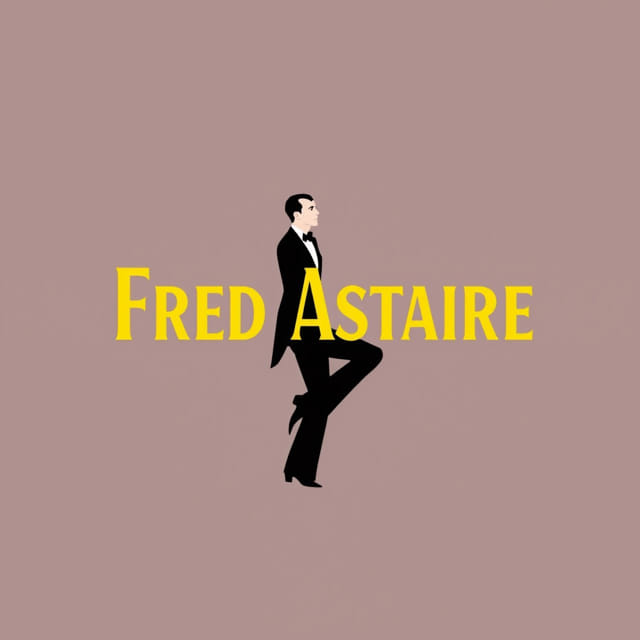
Fred Astaire remains an iconic figure in the history of cinema, celebrated for his extraordinary talent as a dancer, singer, and actor. His influence on Hollywood musicals is unparalleled, and his performances continue to captivate audiences decades after their release. Astaire’s unique combination of elegance, charm, and technical brilliance transformed the art of dance in film, setting a high standard for generations of performers to follow. Whether he was performing intricate tap routines, engaging in playful on-screen romances, or delivering charismatic musical numbers, Fred Astaire’s films offer timeless entertainment and an inspiring showcase of his versatility and artistry.
Early Career and Breakthrough
Fred Astaire’s journey in Hollywood began after he and his sister Adele Astaire achieved success on Broadway and in vaudeville. Fred’s transition to the silver screen brought his exceptional dance skills to a wider audience, and he quickly became known for his innovative choreography and seamless integration of dance into film narratives. One of his earliest breakthroughs came with the film Flying Down to Rio” (1933), where Astaire shared the screen with Ginger Rogers. Although he was not the top-billed actor, his performance, particularly the dance numbers, captivated viewers and marked the beginning of a legendary partnership with Rogers.
Notable Early Films
- Flying Down to Rio (1933)Introduced the Astaire-Rogers partnership and featured unforgettable dance sequences.
- Gay Divorcee (1934)Showcased Astaire’s smooth style and clever choreography, cementing his reputation in Hollywood.
- Top Hat (1935)One of his most beloved films, featuring elegant dance numbers and memorable music.
These early films highlight Fred Astaire’s ability to combine technical mastery with charm, establishing him as a major star in musical cinema.
Fred Astaire and Ginger Rogers
The collaboration between Fred Astaire and Ginger Rogers is one of the most celebrated partnerships in film history. Their chemistry on-screen was undeniable, blending humor, romance, and extraordinary dance talent. Astaire’s fluid style complemented Rogers’ grace, resulting in dance routines that felt both effortless and breathtaking. Together, they elevated the Hollywood musical genre, making films that remain classics today.
Classic Astaire-Rogers Films
- Top Hat (1935)Known for the iconic Cheek to Cheek dance, this film exemplifies their synergy.
- Shall We Dance (1937)Features clever choreography and playful romantic tension between the stars.
- Swing Time (1936)Combines memorable music with imaginative dance sequences, highlighting Astaire’s innovation.
The partnership of Astaire and Rogers brought sophistication and charm to every scene, influencing countless future musicals.
Musical Brilliance and Choreography
Fred Astaire revolutionized dance in film by insisting on full-body choreography that integrated seamlessly with the camera’s movement. Unlike many performers of his time, he preferred to film dance sequences in full, with minimal cuts, allowing audiences to appreciate the complexity and elegance of each routine. Astaire’s meticulous attention to detail extended to his musical choices, costumes, and set designs, ensuring that every element enhanced the overall performance.
Innovative Techniques
- Continuous ShotsFilmed long dance sequences without interruption to showcase skill and coordination.
- Integration with SetsUsed the environment creatively, turning staircases, rooftops, and other settings into dynamic dance spaces.
- Musical CollaborationWorked closely with composers like Irving Berlin and Cole Porter to create unforgettable numbers.
- Elegance and PrecisionMaintained flawless technique while conveying emotion and personality through movement.
These innovations ensured that Fred Astaire’s films were not only entertaining but also artistic achievements in the world of dance and cinema.
Later Career and Diverse Roles
While Fred Astaire is best known for his musicals, his career extended beyond dancing. In his later years, he took on diverse roles in films that showcased his acting range. He appeared in comedies, dramas, and even thrillers, proving that his talent extended far beyond choreography. These roles allowed him to remain relevant and admired even as Hollywood evolved, earning him a lasting legacy in the film industry.
Selected Later Films
- The Towering Inferno (1974)Demonstrated Astaire’s ability to perform in dramatic, action-packed narratives.
- Funny Face (1957)Returned to musical roots while highlighting his comedic timing and style.
- On the Beach (1959)Showcased his dramatic range in a post-apocalyptic narrative.
Fred Astaire’s ability to adapt to different genres helped sustain his career and cemented his status as a versatile and accomplished actor.
Legacy and Influence
Fred Astaire’s contribution to cinema and dance is immeasurable. His innovative choreography, refined technique, and charismatic screen presence set a benchmark for performers worldwide. Beyond his films, Astaire influenced generations of dancers, actors, and directors who sought to emulate his elegance and artistry. Modern musicals, stage productions, and dance performances continue to draw inspiration from his work, highlighting the timelessness of his contributions.
Enduring Impact
- Inspiration for DancersAstaire’s precision, style, and creativity continue to inspire performers globally.
- Film InnovationPioneered techniques in filming dance sequences that remain influential.
- Pop Culture LegacyHis music, dances, and films remain iconic references in modern media.
- Recognition and AwardsAstaire received numerous accolades, including honorary Academy Awards, for his contributions to cinema and dance.
Through his enduring legacy, Fred Astaire remains a symbol of excellence, artistry, and sophistication in film and dance.
Fred Astaire’s career in film is a testament to talent, innovation, and dedication. From his early breakthrough with Ginger Rogers to his later diverse roles, Astaire captivated audiences with his artistry, charm, and technical brilliance. His influence on the musical genre, dance choreography, and cinematic storytelling remains unparalleled. For anyone exploring classic Hollywood cinema, understanding the best Fred Astaire movies offers insight into the evolution of film, dance, and performance art. Films like “Top Hat,” “Swing Time,” and “Funny Face” not only entertain but also inspire, showcasing the timeless appeal of one of Hollywood’s most legendary performers. Whether through his mesmerizing dance routines or his charismatic acting, Fred Astaire continues to leave an indelible mark on the world of entertainment, making his films essential viewing for fans of music, dance, and cinematic artistry.