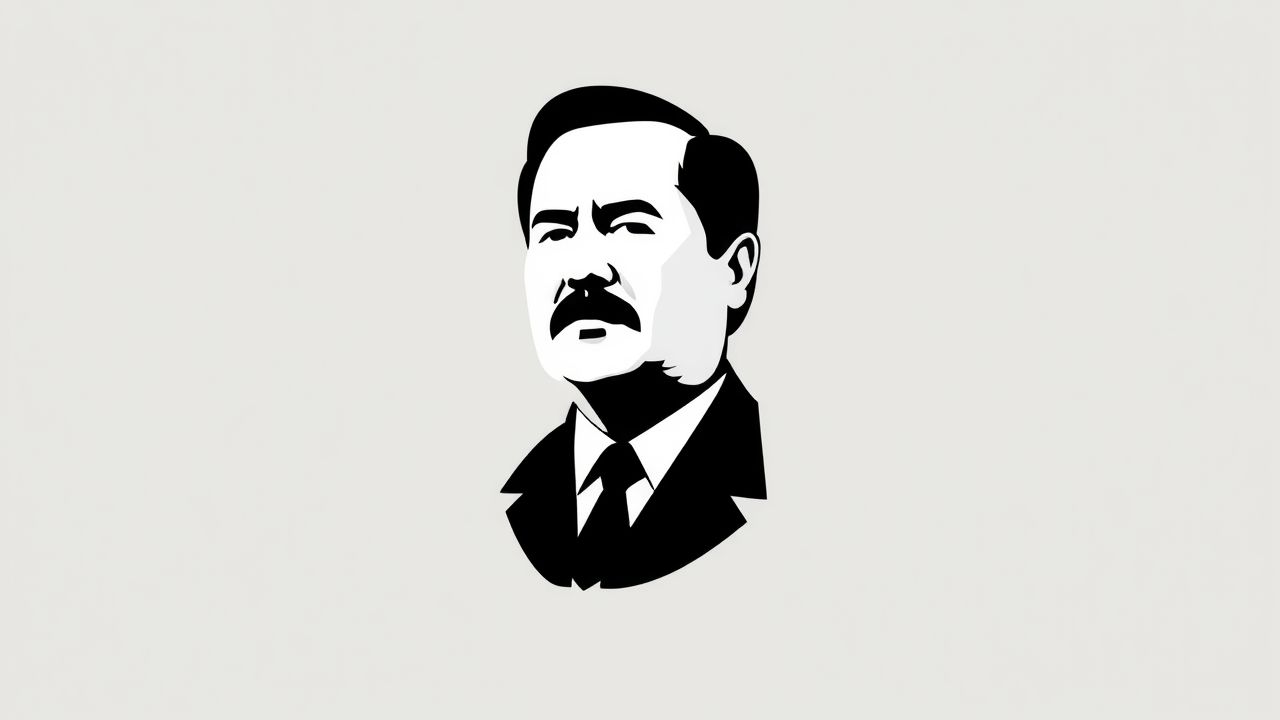
Augusto Pinochet remains one of the most controversial figures in Latin American history, known for his rise to power in Chile and the lasting impact he had on the nation. To fully understand his legacy, it is important to explore his personal background, military career, political journey, and the circumstances that shaped his leadership. By examining the background of Augusto Pinochet, we can better understand how he came to dominate Chilean politics and why his rule continues to generate debate decades after his departure from power.
Early Life of Augusto Pinochet
Augusto José Ramón Pinochet Ugarte was born on November 25, 1915, in ValparaÃso, Chile. He was the son of Augusto Pinochet Vera, a customs official, and Avelina Ugarte MartÃnez. His family background was modest but respectable, with deep roots in Chilean society. Growing up in ValparaÃso, a port city with strong military traditions, influenced his eventual path into the armed forces. Pinochet’s early education reflected the discipline and structure that would later define his military career.
Education and Early Aspirations
Pinochet attended local schools before entering the Military School in Santiago in 1931. His enrollment at the academy marked the beginning of a long and transformative journey in the Chilean armed forces. Although he was not initially seen as a star cadet, his persistence, discipline, and loyalty to military traditions helped him rise through the ranks. He graduated as a second lieutenant in 1937, embarking on what would become a decades-long career in the army.
Military Career and Professional Growth
The military background of Augusto Pinochet is central to understanding his later role in politics. His career was marked by steady progress, reflecting his dedication to the institution of the armed forces. He specialized in geography and military strategy, which allowed him to contribute not only as a soldier but also as an academic and teacher.
Teaching and Writing
Pinochet was not only a commander but also a writer. He published several works on military geography and strategy, which gained recognition within the Chilean army. His writings showed his deep interest in geopolitics and national defense, themes that would later influence his governance style. His ability to articulate military thought helped him earn respect from colleagues and superiors alike.
Promotions and Leadership Roles
Throughout the 1950s and 1960s, Augusto Pinochet climbed the ranks. He served in various regiments across Chile, gaining firsthand knowledge of the country’s geography and regional differences. His experience in diverse postings gave him a strong understanding of both military and civilian dynamics. By the early 1970s, he had reached the position of general, placing him in the highest levels of Chile’s military leadership.
Political Climate in Chile Before Pinochet’s Rise
To understand the background of Augusto Pinochet as a political leader, it is important to consider the climate of Chile in the late 1960s and early 1970s. Chile was undergoing intense political struggles, with divisions between leftist movements, centrist parties, and conservatives. Economic challenges, social reforms, and growing polarization set the stage for conflict.
Salvador Allende and the Popular Unity Government
In 1970, Salvador Allende, a Marxist physician and leader of the Popular Unity coalition, became president of Chile. His government embarked on ambitious reforms, including nationalization of industries and redistribution of land. While many Chileans supported his vision, others saw it as a threat to democracy and economic stability. The military, including officers like Pinochet, was initially expected to remain neutral but eventually became central to political developments.
Pinochet’s Role in the 1973 Coup
One of the defining moments in the background of Augusto Pinochet was his participation in the coup d’état of September 11, 1973. Initially, Pinochet was not the main figure behind the planning, but as commander-in-chief of the Chilean army, he played a decisive role once the coup began.
- The coup was aimed at removing President Salvador Allende from power.
- Pinochet, along with the navy, air force, and police commanders, established a military junta.
- Allende died during the coup, an event that became a turning point in Chilean history.
The success of the coup positioned Pinochet as the most powerful member of the junta, eventually leading him to assume the role of head of state.
Consolidation of Power
After the coup, Augusto Pinochet quickly consolidated his authority. Initially part of a four-man junta, he maneuvered politically and militarily to become the sole leader. By late 1974, he was officially declared President of Chile. His rise reflected both his strategic skills and his determination to establish control.
Authoritarian Rule
Pinochet’s government was characterized by authoritarian measures. Political parties were banned, dissent was suppressed, and thousands of Chileans were detained, tortured, or exiled. His background as a military strategist influenced his governance, as he prioritized order, control, and national security above political freedoms. While his supporters argued that he saved Chile from communism, his critics pointed to widespread human rights abuses.
Economic Reforms
Despite the controversy, Pinochet’s background also intersected with significant economic changes in Chile. With the help of economists known as the Chicago Boys, his government implemented free-market reforms, privatization, and policies that shifted Chile’s economy toward neoliberalism. These changes created both growth and inequality, leaving a complex legacy.
Later Life and Legacy
Augusto Pinochet remained in power until 1990, when he stepped down following a national plebiscite that rejected his continued rule. However, he continued to serve as commander-in-chief of the army until 1998 and later as senator-for-life. His later years were marked by legal battles and international scrutiny for human rights violations.
Exile, Trials, and Controversy
In 1998, Pinochet was arrested in London on charges of human rights abuses, sparking international attention. Although he was eventually released and returned to Chile, his image as a leader remained deeply divided. For some, he was seen as a defender of Chile’s sovereignty; for others, he was remembered as a dictator responsible for immense suffering.
The background of Augusto Pinochet reveals a complex figure shaped by military discipline, political turmoil, and the ideological battles of the Cold War era. From his early life in ValparaÃso to his rise as commander-in-chief and eventual dictator, his story reflects both ambition and controversy. His influence on Chilean politics, economy, and society continues to spark debate, with his supporters crediting him for stabilizing Chile and his critics condemning his authoritarian rule. Understanding Pinochet’s background helps explain why his legacy remains one of the most polarizing in modern Latin American history.