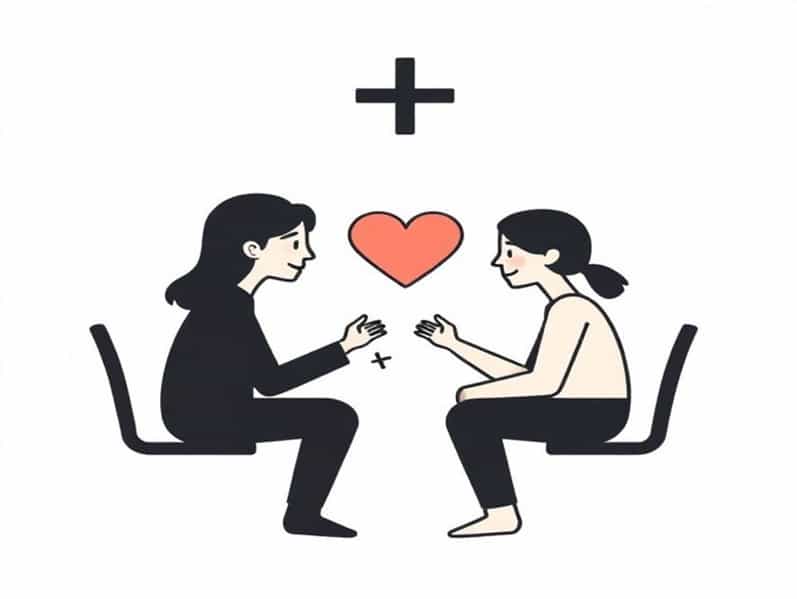
The art of nonviolent communication is a transformative approach to interacting with others that emphasizes empathy, understanding, and compassion over conflict and confrontation. In a world where misunderstandings and disagreements often escalate into arguments, mastering nonviolent communication can improve personal relationships, professional interactions, and overall emotional well-being. This method encourages individuals to express themselves honestly while listening deeply to the needs and feelings of others, creating connections that are rooted in respect and mutual understanding. Learning this art requires patience, self-awareness, and practice, but the results can lead to more peaceful and meaningful interactions in everyday life.
Understanding Nonviolent Communication
Nonviolent communication, often abbreviated as NVC, was developed by psychologist Marshall B. Rosenberg in the 1960s. Its primary goal is to create a framework for communication that fosters empathy, reduces conflict, and nurtures cooperation. NVC is based on the understanding that all human behavior is motivated by a desire to meet needs, and that conflicts often arise when people feel their needs are unmet. By focusing on these needs rather than assigning blame or judgment, nonviolent communication helps individuals express themselves clearly and respond to others with compassion.
Core Principles of Nonviolent Communication
- Observation Describe what is happening without judgment or evaluation.
- Feelings Express emotions honestly rather than criticizing or blaming.
- Needs Identify and articulate the underlying needs behind emotions.
- Requests Make clear, actionable requests without demanding or coercing.
The Role of Empathy
Empathy is central to the art of nonviolent communication. It involves listening attentively to understand the feelings and needs of others, even when their words or actions might initially trigger frustration or anger. Practicing empathy requires suspending judgment, avoiding assumptions, and genuinely seeking to understand another person’s perspective. When empathy is present, individuals are more likely to respond thoughtfully rather than react impulsively, fostering a sense of connection and mutual respect.
How to Practice Empathy
- Listen actively without interrupting or planning a response.
- Reflect back what you hear to ensure understanding.
- Validate the other person’s feelings and needs.
- Focus on connection rather than winning an argument.
- Ask clarifying questions to deepen understanding.
Expressing Yourself Clearly
Nonviolent communication also emphasizes honest self-expression. This means articulating your feelings and needs without blaming or criticizing others. By using I statements and focusing on your own experience, you reduce defensiveness and open the door for constructive dialogue. For example, saying I feel frustrated because I need more support with this project is more effective than You never help me with anything. Clear expression combined with empathy creates a space for meaningful conversation and collaboration.
Techniques for Clear Expression
- Use I statements to communicate your own feelings.
- Describe observations without evaluation or judgment.
- Identify specific needs behind your emotions.
- Make concrete requests rather than vague demands.
- Stay calm and composed, even during disagreements.
Resolving Conflicts Peacefully
One of the most powerful applications of nonviolent communication is in conflict resolution. By focusing on needs rather than positions, NVC allows parties to move from opposition to cooperation. This approach encourages problem-solving based on mutual understanding and compromise rather than coercion or dominance. When conflicts are addressed with empathy and clarity, solutions are more sustainable and relationships are strengthened rather than damaged.
Steps to Resolve Conflict Using NVC
- Observe the situation objectively without assigning blame.
- Identify your own feelings and needs regarding the conflict.
- Listen empathetically to the other person’s feelings and needs.
- Communicate your needs and make respectful requests.
- Collaborate on solutions that meet both parties’ needs.
Benefits of Practicing Nonviolent Communication
Practicing the art of nonviolent communication offers a range of benefits for personal and professional life. It improves relationships by fostering understanding and reducing misunderstandings. It enhances emotional intelligence, helping individuals recognize and manage their own emotions while responding thoughtfully to others. NVC also contributes to a calmer and more peaceful environment, reducing stress and promoting cooperation. Whether in family interactions, workplace settings, or social engagements, nonviolent communication can transform the way individuals relate to one another.
Key Benefits
- Stronger personal and professional relationships
- Reduced conflicts and misunderstandings
- Enhanced emotional awareness and self-expression
- Greater empathy and compassion toward others
- Improved collaboration and problem-solving skills
Practical Applications of Nonviolent Communication
The principles of nonviolent communication can be applied in a variety of contexts. In families, parents can use NVC to guide children through emotional challenges and encourage open communication. In workplaces, managers and colleagues can resolve disputes and build collaborative teams. In education, teachers can foster a supportive classroom environment where students feel heard and respected. Beyond these settings, NVC can be used in community work, negotiations, and even in addressing social conflicts, demonstrating its wide-reaching impact.
Examples of Application
- Family Encouraging children to express feelings without fear of judgment.
- Workplace Mediating conflicts between team members effectively.
- Education Promoting a classroom culture of empathy and understanding.
- Community Facilitating dialogue in diverse groups to reduce tension.
- Personal Growth Enhancing self-awareness and emotional regulation.
The art of nonviolent communication is a powerful tool for building understanding, empathy, and cooperation in all areas of life. By focusing on observation, feelings, needs, and requests, individuals can express themselves authentically while responding compassionately to others. This approach reduces conflict, strengthens relationships, and promotes emotional well-being. Although mastering nonviolent communication requires consistent practice and patience, its benefits are profound and far-reaching. Those who adopt this art find that they not only improve their interactions with others but also develop deeper self-awareness, emotional intelligence, and a greater capacity for empathy and connection.