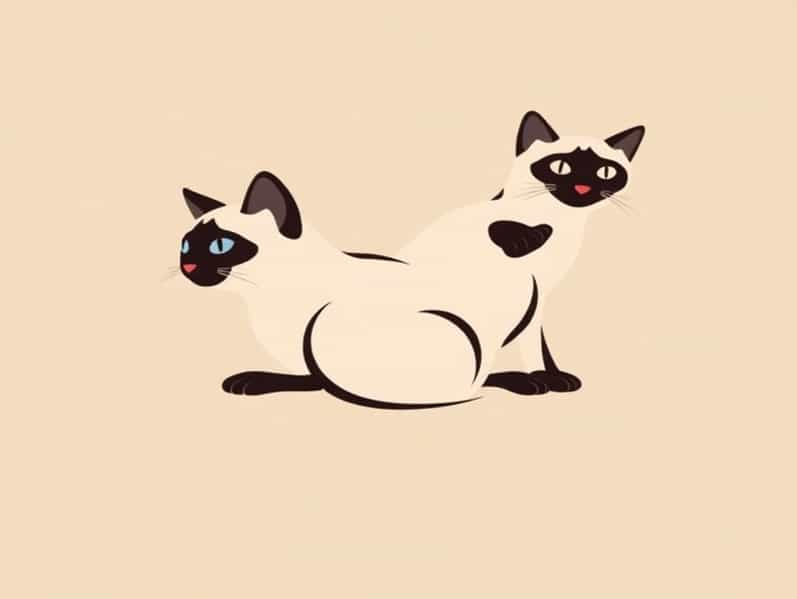
Siamese cats are one of the most recognizable and popular cat breeds in the world, known for their striking appearance and vocal personalities. Often characterized by their almond-shaped blue eyes, slender bodies, and distinctive color points on their ears, face, paws, and tail, Siamese cats are admired for both their beauty and intelligence. However, many prospective owners wonder if Siamese cats are temperamental, as their behavior and emotional needs can differ from other domestic breeds. Understanding the temperament of Siamese cats is crucial for anyone considering adopting or living with this unique and social breed.
Understanding Siamese Cat Temperament
Siamese cats are renowned for their strong personalities and high intelligence. They are highly social animals that thrive on human interaction and often form strong bonds with their owners. Their temperament is characterized by loyalty, playfulness, and curiosity, but they can also exhibit behaviors that some people might interpret as temperamental. This includes vocalizing their needs, demanding attention, and displaying sensitivity to changes in their environment. Far from being simply moody, these behaviors are a reflection of their need for engagement and mental stimulation.
Common Behavioral Traits
- Highly vocal and expressive, often talking to their owners
- Intelligent and curious, exploring their surroundings actively
- Social and affectionate, often forming strong bonds with humans
- Playful and energetic, requiring interactive playtime
- Can be sensitive to changes or neglect, showing frustration or anxiety
Vocal and Expressive Nature
One of the most notable aspects of Siamese cat temperament is their vocal nature. Siamese cats are known to meow, yowl, or make unique vocalizations to communicate with their owners. While this can sometimes be perceived as being demanding or temperamental, it is actually a reflection of their social needs and intelligence. Owners who understand and respond to these vocal cues often find Siamese cats to be affectionate and communicative companions. The key is recognizing that their vocal behavior is not aggression but a form of communication.
Tips for Managing Vocal Behavior
- Engage in regular playtime to satisfy their energy and curiosity
- Respond to vocalizations consistently to reinforce positive interaction
- Provide environmental enrichment, such as toys and climbing structures
- Maintain a routine to reduce stress and anxiety
Intelligence and Curiosity
Siamese cats are among the most intelligent domestic cat breeds, which contributes to their sometimes perceived temperamental behavior. Their intelligence allows them to learn quickly, solve puzzles, and even mimic human behavior. However, it also means that they can become bored or frustrated if not mentally stimulated. Owners may notice their Siamese cat engaging in mischievous or attention-seeking behaviors when they lack interaction. Providing interactive toys, puzzle feeders, and regular play sessions helps channel their intelligence positively and prevents unwanted behaviors.
Activities to Stimulate a Siamese Cat
- Puzzle feeders to challenge their problem-solving skills
- Interactive toys such as wand toys and laser pointers
- Training sessions using treats to encourage learning
- Safe exploration areas or window perches to satisfy curiosity
Affectionate and Social Personality
Siamese cats are deeply social and thrive in households where they receive attention and companionship. They are often described as people-oriented and may follow their owners from room to room, seeking interaction. While this behavior can make them seem demanding, it is a sign of their strong emotional attachment rather than temperamental tendencies. A lonely or ignored Siamese cat may exhibit behaviors such as excessive meowing, destructive play, or anxiety, which should be addressed through companionship, engagement, and consistent care.
Encouraging Positive Social Behavior
- Spend quality time each day interacting and playing with your cat
- Consider adopting a second cat if your Siamese is alone often
- Create cozy spaces where they can observe and interact safely
- Reward calm and affectionate behavior to reinforce bonding
Potential Challenges of Owning a Siamese Cat
While Siamese cats are loving and intelligent, their high energy and sensitivity can present challenges for some owners. They may become anxious if their environment changes suddenly or if they feel neglected. They are also prone to developing strong opinions about their daily routines and may protest if their needs are not met. This behavior can sometimes be mistaken for moodiness or temperamental behavior. However, with proper understanding, patience, and engagement, these challenges can be effectively managed.
Common Challenges
- High demand for attention and companionship
- Strong vocalizations that may be overwhelming for some owners
- Sensitivity to changes in routine or environment
- Potential for mischievous or attention-seeking behavior if bored
Tips for Managing Siamese Cat Temperament
To ensure a harmonious relationship with a Siamese cat, prospective owners should understand and meet their emotional, physical, and mental needs. Establishing a consistent daily routine, providing interactive play, and offering environmental enrichment are essential strategies. Additionally, using positive reinforcement for desired behaviors and addressing attention-seeking tendencies early can prevent behavioral problems. Understanding their unique temperament allows owners to appreciate the intelligence, affection, and playful nature of Siamese cats.
Practical Management Tips
- Maintain consistent feeding and play schedules
- Provide toys, scratching posts, and climbing areas
- Offer companionship, either human or another compatible pet
- Use positive reinforcement to encourage calm behavior
- Be patient and attentive to their vocal and social cues
In summary, Siamese cats are not inherently temperamental in a negative sense, but they do have a strong personality that requires attention, social interaction, and mental stimulation. Their intelligence, vocal nature, and social tendencies can make them appear demanding to owners who are unfamiliar with the breed’s needs. With proper care, engagement, and understanding, Siamese cats can be affectionate, loyal, and entertaining companions. They are ideal for individuals or families who can dedicate time and energy to interacting with them, providing a stimulating environment, and appreciating their unique, expressive personality. Recognizing and embracing their characteristics ensures a rewarding relationship with one of the most charming and captivating cat breeds in the world.