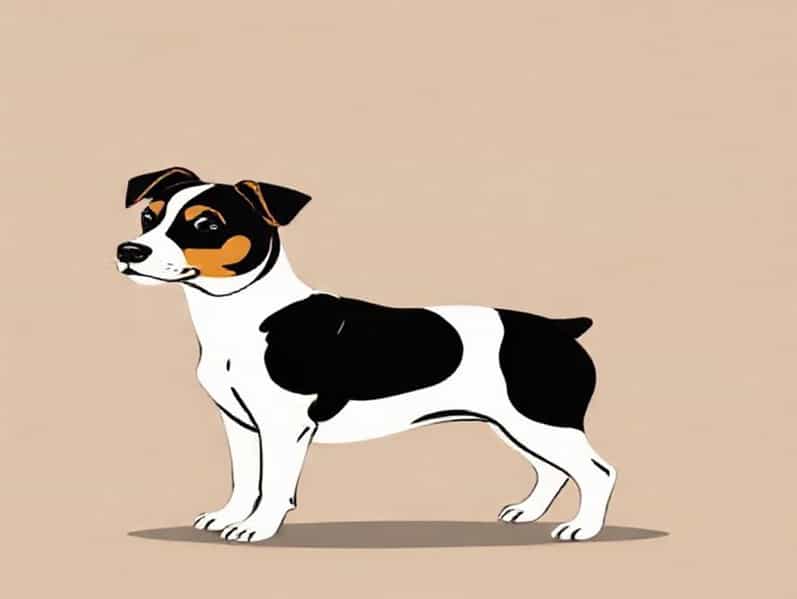
Many dog lovers adore the Jack Russell Terrier for its bright personality, high energy, and fearless attitude. However, one common question people often ask is whether Jack Russells are skittish or nervous by nature. These small but strong dogs have big personalities, but like any breed, their behavior depends on genetics, training, and environment. Understanding what makes a Jack Russell skittish or confident can help owners create a happy and well-balanced pet.
Understanding the Jack Russell Temperament
Jack Russell Terriers were originally bred in England in the 19th century as hunting dogs, specifically for fox hunting. Their small, agile bodies and bold personalities made them perfect for chasing prey underground. Because of this history, they have strong instincts, quick reactions, and a naturally alert nature. These traits make them excellent companions for active families, but they can also lead to nervous or skittish behavior if not properly managed.
Generally, Jack Russells are not shy or fearful dogs by design. They are curious, intelligent, and assertive. However, their high energy and sensitivity mean they can sometimes overreact to sounds, strangers, or new situations. This can make them appear jumpy or anxious, especially if they have not been socialized early in life.
What Does Skittish Mean in Dogs?
The word skittish usually describes an animal that is easily frightened or startled. A skittish dog might flinch at sudden movements, loud noises, or unfamiliar people. This behavior is often linked to fear, lack of confidence, or insufficient exposure to different environments during puppyhood. While some breeds are naturally more cautious, others develop skittishness because of experiences or lack of proper training.
For Jack Russells, being alert and cautious is normal, but being overly nervous is not typical of the breed. If a Jack Russell shows constant fear or hesitation, there may be underlying causes that need attention from the owner or a professional trainer.
Are Jack Russells Naturally Skittish?
In general, Jack Russells are not naturally skittish dogs. They are known for being confident, brave, and sometimes even bold to the point of being stubborn. However, there are situations where a Jack Russell might become anxious or skittish. Understanding why this happens can help prevent or correct such behavior.
Possible Reasons for Skittish Behavior
- Lack of SocializationPuppies that are not introduced to different people, places, and sounds at an early age may grow up fearful of new situations.
- Trauma or Bad ExperiencesRescue dogs or those who have faced neglect, abuse, or loud environments may develop fear-based behaviors.
- Separation AnxietyJack Russells form strong bonds with their owners. Being left alone for long periods can cause stress or nervousness.
- Excess EnergyThis breed has a lot of energy. Without enough exercise or mental stimulation, they can become restless, which may look like skittishness.
- Genetic FactorsSome dogs inherit anxiety or fearfulness from their parents, though responsible breeding can reduce this risk.
While these factors can cause skittishness, they do not define the breed as a whole. Most Jack Russells, when properly trained and cared for, are confident, happy, and full of life.
How to Identify a Skittish Jack Russell
Recognizing signs of fear or nervousness is the first step in helping a skittish dog. Jack Russells may express their anxiety in subtle or obvious ways. Common signs include
- Shaking or trembling, especially during thunderstorms or fireworks.
- Tucking their tail between their legs or lowering their body posture.
- Avoiding eye contact or trying to hide behind furniture or their owner.
- Whining, barking excessively, or pacing around the room.
- Refusing treats or losing interest in toys when scared.
If you notice these behaviors frequently, it’s important to find out what triggers the fear and help your dog feel more secure. Consistency, calmness, and patience are key when dealing with a skittish Jack Russell.
Training and Socialization Tips
One of the best ways to prevent skittishness in Jack Russells is through early training and consistent socialization. These intelligent dogs learn quickly and love having a job to do. Proper guidance helps them channel their energy positively.
Start Early with Socialization
Puppies should be introduced to a variety of environments, people, and other animals between 8 and 16 weeks of age. This helps them learn that the world is not a scary place. Take your Jack Russell to parks, dog-friendly stores, or walks around the neighborhood so they get used to different sights and sounds.
Positive Reinforcement Training
Jack Russells respond best to positive reinforcement methods. Reward them with treats, praise, or playtime when they behave calmly in new situations. Avoid harsh punishments, as these can increase fear and anxiety. Instead, focus on building trust and confidence through encouragement.
Exercise and Mental Stimulation
A tired Jack Russell is a happy Jack Russell. Regular physical exercise helps release their energy and reduces nervous tension. Activities like fetch, agility training, or puzzle toys can keep their minds busy and prevent boredom, which often leads to anxious behaviors.
Gradual Desensitization
If your dog is afraid of specific triggers, such as loud noises or strangers, gradual desensitization can help. Introduce the stimulus slowly and pair it with something positive, like treats or play. Over time, your Jack Russell will associate the trigger with positive experiences rather than fear.
Creating a Calm Environment
The home environment plays a big role in shaping a Jack Russell’s behavior. A chaotic or noisy setting can make a sensitive dog uneasy, while a structured and peaceful environment helps them feel secure. Establish a daily routine for feeding, walks, and playtime so your dog knows what to expect.
Providing a safe space, such as a crate or cozy bed in a quiet area, can also help. This gives your Jack Russell a place to retreat when they feel overwhelmed. Be sure to respect their space and never force them into stressful situations.
Common Misconceptions About Jack Russells
Many people mistake a Jack Russell’s alertness or high energy for nervousness. In reality, these dogs are simply more aware of their surroundings and ready for action. Their quick reactions come from their hunting background, not fear. However, without proper outlets for their energy, they can become hyperactive or appear anxious.
Another misconception is that all small dogs are naturally jumpy. While Jack Russells are small, they have big personalities and a fearless nature. They often challenge larger dogs or dive into adventures without hesitation. Skittish behavior in a Jack Russell is more likely due to upbringing than natural temperament.
How to Build Confidence in a Skittish Jack Russell
Helping a nervous Jack Russell gain confidence takes time, but it is very possible. The key is consistency and positive experiences. Here are a few practical steps
- Stay calm and patient when your dog is scared; your mood affects theirs.
- Avoid forcing them into frightening situations let them explore at their own pace.
- Offer plenty of affection and reassurance without coddling the fear.
- Expose them to mild versions of their triggers gradually to build tolerance.
- Use obedience training to strengthen your bond and build trust.
Over time, these strategies can help your Jack Russell feel more secure and confident, reducing skittish reactions and improving overall behavior.
When to Seek Professional Help
If your Jack Russell’s fear or anxiety seems extreme or doesn’t improve with training, consulting a professional trainer or animal behaviorist can make a big difference. These experts can identify the root cause of your dog’s behavior and design a plan tailored to their needs. In some cases, veterinarians may also recommend treatments or supplements to help calm anxious dogs.
So, are Jack Russells skittish? Generally, no they are confident, intelligent, and spirited dogs with a strong will. However, they can develop nervous behaviors if they lack proper socialization, exercise, or emotional support. By understanding their needs and giving them consistent structure and care, you can help your Jack Russell grow into a well-balanced, fearless, and loving companion. These energetic little dogs have huge hearts, and with the right environment, they will reward you with loyalty, enthusiasm, and endless joy for years to come.