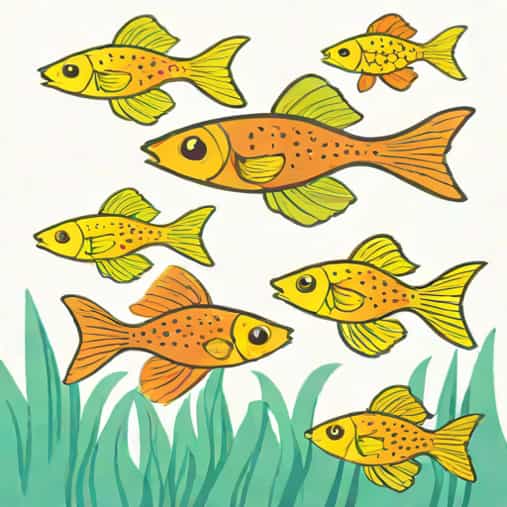
Guppies are one of the most popular freshwater aquarium fish, known for their vibrant colors, active behavior, and ease of care. Many aquarium enthusiasts wonder whether guppies are schooling fish and what that means for their behavior and tank setup. Understanding the social habits of guppies is essential for creating a healthy and engaging environment in both home aquariums and breeding setups. Guppies exhibit social behaviors that influence their movement, feeding patterns, and overall well-being, and knowing whether they are true schooling fish can help aquarists provide the best care for them.
What Are Schooling Fish?
Schooling fish are species that naturally swim together in groups, coordinating their movements in a synchronized manner. This behavior provides several advantages, including protection from predators, increased foraging efficiency, and social interaction. Schooling fish often maintain close proximity to one another, moving as a single unit to confuse predators or navigate their environment. In the aquarium, schooling behavior can be observed in species like tetras, barbs, and danios, which thrive in groups of six or more. Understanding the distinction between schooling and shoaling fish is key to answering whether guppies fit into this category.
Schooling vs. Shoaling
It is important to differentiate between schooling and shoaling
- SchoolingFish swim in a highly coordinated, synchronized group, often moving in the same direction at the same speed.
- ShoalingFish gather in groups for social reasons but do not necessarily move in perfect unison. The group provides safety and social interaction but may not display coordinated swimming patterns.
This distinction helps clarify that not all fish that swim in groups are considered schooling fish. The terms are sometimes used interchangeably, but careful observation reveals differences in movement and cohesion.
Are Guppies Schooling Fish?
Guppies (Poecilia reticulata) are social fish that prefer the company of others, but they are generally considered shoaling fish rather than true schooling fish. Guppies tend to swim together in groups, but their movements are not perfectly synchronized like those of true schooling species. In a home aquarium, guppies will often swim near each other, explore the tank together, and interact socially, demonstrating shoaling behavior. While they benefit from being in groups, the coordinated, synchronized swimming typical of schooling fish is usually absent in guppies.
Behavior of Guppies in Groups
When kept in groups, guppies exhibit a variety of behaviors that indicate their social nature
- Swimming close to one another for security and companionship
- Displaying playful chasing and mating behaviors
- Feeding together and competing for food in a relatively peaceful manner
- Exhibiting alertness and faster reactions to potential threats
These behaviors show that guppies are highly social and benefit from group living, even if they do not form tightly coordinated schools like some other fish species.
Optimal Group Size for Guppies
To maintain the well-being of guppies in captivity, it is important to keep them in appropriate group sizes. Small groups may result in stress, reduced activity, and increased aggression, particularly among males competing for mates. Experts generally recommend keeping at least six to eight guppies together in a tank. This number allows for natural social interaction, reduces aggression, and encourages healthy behavior. Larger groups are often better, as guppies are less likely to feel threatened and can distribute social stress more evenly among the group.
Male and Female Dynamics
Guppies display sexual dimorphism, with males being smaller and more colorful and females being larger and less vivid. In group settings, males often display courtship behaviors toward females, which can increase stress if there are too few females. Maintaining a ratio of one female to two or three males is generally recommended to reduce harassment and promote a balanced social environment. In groups, guppies demonstrate social hierarchy and interaction that contributes to their overall health and activity.
Tank Setup for Shoaling Guppies
Creating a suitable environment for guppies requires understanding their social behavior. Since they are shoaling fish, they thrive in tanks that allow free swimming and provide opportunities for interaction. Key considerations include
- Tank SizeA minimum of 20 gallons is recommended for small groups, with larger tanks preferred for bigger shoals.
- Plants and Hiding SpotsLive or artificial plants provide shelter, reduce stress, and create visual boundaries.
- Filtration and Water QualityStable water parameters and gentle filtration prevent stress and support healthy behavior.
- Lighting and TemperatureModerate lighting and a temperature range of 72-82°F help maintain activity and coloration.
A well-planned tank encourages natural shoaling behavior, allowing guppies to interact safely and display their colorful patterns.
Feeding and Social Interaction
Feeding guppies in groups can be an enjoyable observation of social dynamics. Guppies tend to feed actively together, but competition can occur, particularly in smaller tanks. Providing multiple feeding spots and high-quality food ensures all individuals receive adequate nutrition. Social interaction during feeding is part of their shoaling behavior, promoting mental stimulation and maintaining healthy activity levels.
Benefits of Keeping Guppies in Groups
Keeping guppies in groups provides multiple benefits that enhance their quality of life in captivity
- Reduced stress levels and increased sense of security
- Natural expression of social behaviors, including courtship and exploration
- Increased activity and stimulation through interaction with other fish
- Better display of colors and patterns due to social presence and competition
- Enhanced overall health and longevity through social enrichment
Observing a group of guppies interacting can be both entertaining and educational, providing insight into their social structure and natural instincts.
Common Misconceptions
Some aquarium owners mistakenly believe that guppies are true schooling fish and expect tightly synchronized swimming. While guppies do swim together and benefit from companionship, their movements are more casual and less coordinated than true schooling species. Understanding this distinction is important to set realistic expectations for their behavior and to design appropriate tank setups.
Guppies are not true schooling fish, but they are highly social shoaling fish that thrive in groups. Their preference for group living, playful interactions, and collective activity demonstrates their social nature and emphasizes the importance of keeping multiple individuals together in an aquarium. Proper tank setup, adequate group size, and attention to male-female ratios contribute to healthy behavior and reduce stress. While guppies may not exhibit the tight synchronization of schooling fish, their group dynamics provide the benefits of social interaction, security, and mental stimulation. Understanding that guppies are shoaling rather than schooling fish helps aquarists create a harmonious and engaging environment that supports their natural behavior and well-being.