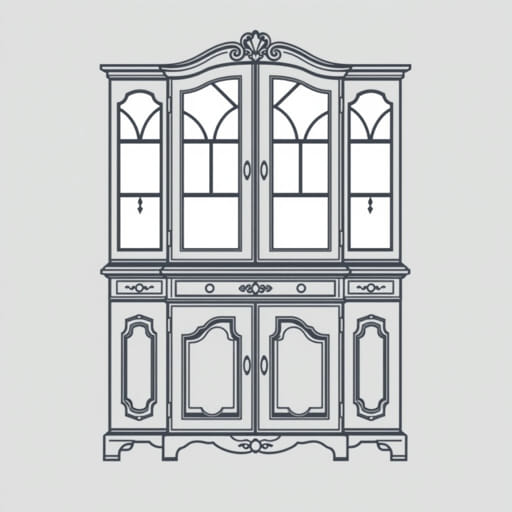
The antique Jacobean china cabinet stands as a captivating piece of furniture that tells stories of centuries past through its solid craftsmanship and distinct aesthetic. Rooted in the Jacobean style that originated in early 17th-century England, these cabinets are highly sought after by antique collectors, interior designers, and anyone with an appreciation for historical furniture. The timeless charm, intricate carvings, and substantial wood construction make the Jacobean china cabinet more than just a display case it is a statement piece with heritage and elegance. Understanding its origin, design features, and how to care for it is essential for both collectors and enthusiasts alike.
Understanding the Jacobean Style
Historical Background
The Jacobean style emerged during the reign of King James I of England, spanning from the early 1600s to the mid-1600s. It marked a transition from the medieval Gothic aesthetic to the more ornate and classical Renaissance influence. Furniture from this era, including china cabinets, was characterized by bold lines, heavy proportions, and intricate detailing.
Features of Jacobean Furniture
Jacobean furniture, including antique china cabinets, commonly features the following design elements:
- Heavily carved details, often floral or geometric in design
- Sturdy construction using hardwoods like oak or walnut
- Twist-turned legs and columns
- Paneled doors and high-relief moldings
- Dark finishes and aged patinas
These attributes give the antique Jacobean china cabinet a regal and robust appearance that has remained appealing for centuries.
What Is an Antique Jacobean China Cabinet?
Function and Purpose
A Jacobean china cabinet is a storage and display piece traditionally used for showcasing fine china, porcelain, glassware, and other decorative items. Antique versions were often featured in formal dining rooms or parlors. In addition to their display function, they typically offered drawers or enclosed shelves for storing linens, cutlery, or serving pieces.
Structural Characteristics
Antique Jacobean china cabinets are usually tall, freestanding pieces. They may feature glass-front upper sections for display and solid wood cabinets below for storage. Distinctive characteristics include:
- Leaded glass or mullioned panes in the doors
- Heavy cornices and architectural moldings
- Iron or brass hardware
- Deep, warm finishes in rich brown or mahogany tones
Materials and Craftsmanship
Type of Wood Used
Most Jacobean cabinets were made from durable hardwoods. Oak was the most commonly used, especially in English versions, due to its strength and availability. In some cases, walnut or mahogany may be used for higher-end versions. These woods contribute to the cabinet’s longevity and contribute to the deep, aged luster found in true antiques.
Joinery and Finishing Techniques
Traditional joinery methods such as mortise and tenon were used to ensure durability. Dovetail joints were common in drawers. The finishing process often involved hand-applied stains and waxes, which aged gracefully over time, giving each cabinet a one-of-a-kind appearance. Carvings were typically hand-chiseled by skilled artisans.
Why Jacobean China Cabinets Are Valuable
Historical Significance
Jacobean furniture represents a significant period in design history. Its combination of Renaissance influence and sturdy English tradition made it distinctive and long-lasting. Owning an antique Jacobean china cabinet is like preserving a piece of design evolution, making it a valuable addition to any collection.
Craftsmanship Quality
Unlike mass-produced modern furniture, these pieces were crafted by hand with attention to detail and structural integrity. The result is a cabinet that, even after hundreds of years, remains strong and functional. This level of craftsmanship increases both its functional and aesthetic value.
Decorative Appeal
The rich carvings and solid wood construction give the cabinet a timeless appeal. Whether placed in a traditional dining room, an eclectic living space, or even a modern home as a statement piece, a Jacobean china cabinet adds texture, depth, and character to the interior.
How to Identify an Authentic Jacobean China Cabinet
Signs of Age
Genuine antique cabinets will show signs of wear consistent with age, such as:
- Natural wood patina and uneven coloration
- Tool marks or small imperfections from handcrafting
- Non-uniform dovetail joints or dowels
- Old-style hinges and hand-forged hardware
Style Consistency
Look for typical Jacobean design features such as turned legs, deeply carved panels, and geometric motifs. The overall symmetry and weight of the piece also offer clues to its authenticity.
Maker’s Marks or Provenance
Some antique furniture may have markings or labels from the original maker, though not all do. Provenance, or the documented history of the piece, can further confirm its authenticity and increase its value.
How to Care for an Antique Jacobean China Cabinet
Cleaning and Maintenance
To maintain its beauty and integrity, follow these basic care tips:
- Dust regularly with a soft, dry cloth
- Avoid excessive moisture or harsh cleaners
- Use beeswax or furniture polish designed for antique wood
- Keep it away from direct sunlight to prevent fading
Preservation Tips
If repairs are needed, always consult a professional who specializes in antique restoration. Avoid altering original features, as this may reduce the value. Keeping the cabinet in a climate-controlled room also helps prevent warping or cracking.
Incorporating a Jacobean Cabinet into Modern Décor
Blending Old and New
While the style is historic, the right placement and complementary décor can make a Jacobean cabinet feel relevant even in contemporary homes. Pairing it with minimalist elements or modern lighting can create a striking contrast that highlights the cabinet’s details.
Functional Uses Today
In addition to displaying china, these cabinets can be used for:
- Storing books and decorative objects
- Showcasing collectibles or vintage glassware
- As a liquor cabinet or home bar
- Even repurposed as bathroom or hallway storage with creativity
The antique Jacobean china cabinet is more than just a piece of furniture it’s a legacy of craftsmanship, design, and cultural history. With its bold carvings, solid construction, and timeless elegance, it continues to charm homeowners and collectors alike. Whether displayed in its original role or reimagined in a new context, the Jacobean china cabinet remains a beautiful and functional heirloom that reflects the enduring appeal of antique design. Investing in and preserving such a piece not only enhances your home but also keeps a rich tradition alive for future generations to enjoy.