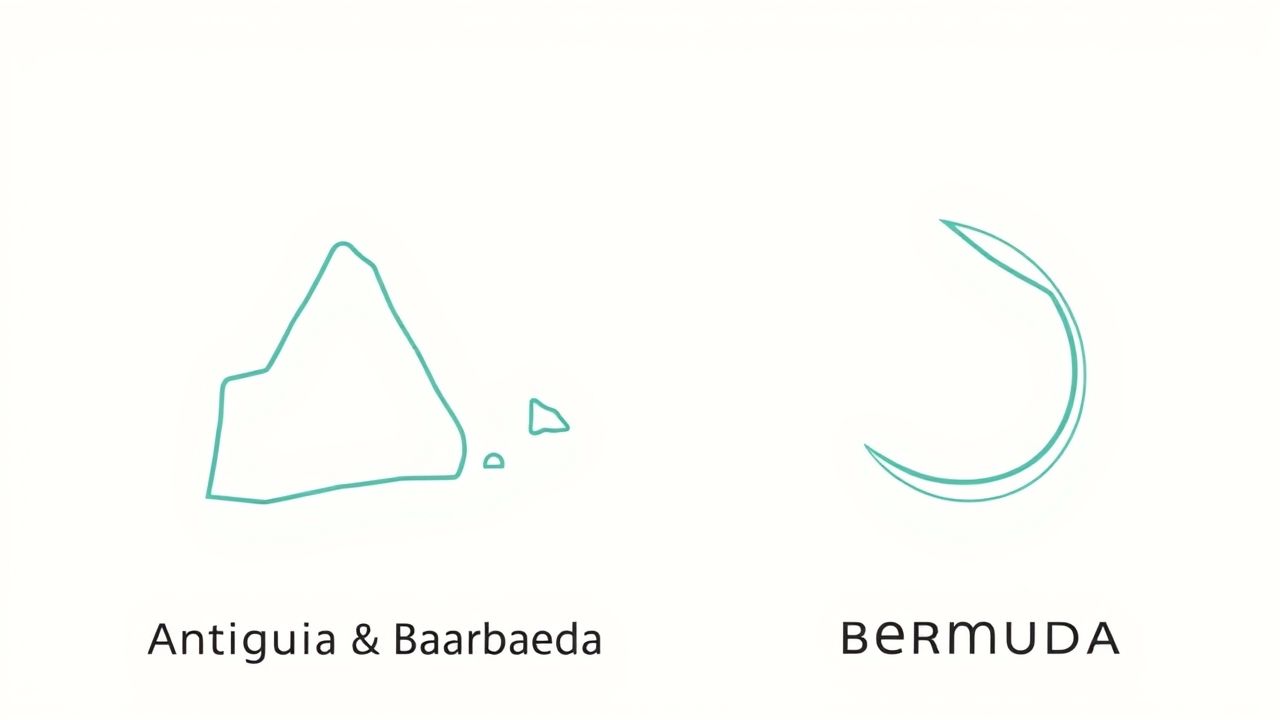
Nestled in the crystal-clear waters of the Atlantic Ocean and the Caribbean Sea, Antigua e Barbuda and Bermuda are two distinct island destinations that capture the imagination of travelers around the world. Both offer a mix of tropical charm, historical intrigue, and cultural depth, yet they differ significantly in geography, governance, and character. Understanding what makes these islands unique can help travelers, researchers, and enthusiasts appreciate their identity beyond the postcard-perfect beaches. With rich histories, vibrant communities, and strategic importance in the Atlantic region, Antigua e Barbuda and Bermuda deserve a closer look.
Geographic Overview
Antigua e Barbuda
Antigua e Barbuda is a twin-island nation located in the eastern Caribbean Sea. Antigua is the larger of the two, covering about 281 square kilometers, while Barbuda is more remote and less populated, spanning 161 square kilometers. Together, they form a small but sovereign nation in the West Indies.
Antigua is known for its rolling hills, coral reefs, and more than 350 white-sand beaches. Barbuda, on the other hand, is flatter and features pristine pink-sand beaches and a significant frigate bird sanctuary. The islands enjoy a tropical maritime climate, with warm temperatures and gentle breezes year-round.
Bermuda
Bermuda is a British Overseas Territory located in the North Atlantic Ocean, about 1,000 kilometers east of the U.S. state of North Carolina. It is not part of the Caribbean, despite common misconceptions. Bermuda is made up of around 138 islands, with the seven largest connected by bridges and causeways, forming a continuous landmass.
Its total area is just over 53 square kilometers, but it boasts a dramatic coastline of rugged cliffs, hidden coves, and pink-sand beaches. The subtropical climate brings mild winters and warm, humid summers.
Political Structure and Governance
Antigua e Barbuda
Antigua e Barbuda is an independent country and a member of the Commonwealth of Nations. It gained independence from the United Kingdom in 1981. The country follows a parliamentary democracy with a constitutional monarchy. The British monarch is the ceremonial head of state, represented by a Governor-General.
The Prime Minister is the head of government, and the political system is influenced by the British Westminster model. Antigua e Barbuda is also part of several regional organizations, including CARICOM (Caribbean Community) and the OECS (Organization of Eastern Caribbean States).
Bermuda
Bermuda, unlike Antigua e Barbuda, is not an independent nation. It remains a British Overseas Territory, meaning it governs its internal affairs but the United Kingdom handles defense and foreign relations. Bermuda has its own constitution and a bicameral legislature, with the Premier serving as the head of government.
The Governor, appointed by the British Crown, represents the monarch and plays a mostly ceremonial role, though they retain certain powers such as dissolving the legislature or vetoing laws under exceptional circumstances.
Economy and Key Industries
Antigua e Barbuda
The economy of Antigua e Barbuda relies heavily on tourism, which contributes significantly to employment and GDP. The islands are a popular stop for cruise ships and international travelers seeking luxury resorts and yachting adventures. Agriculture and manufacturing play smaller roles, while offshore financial services are growing in importance.
- Major exports petroleum products, rum, garments
- Main trading partners United States, United Kingdom, CARICOM nations
Bermuda
Bermuda’s economy is highly developed and largely driven by international finance and insurance. It is considered a global reinsurance hub and home to numerous multinational corporations. Tourism also contributes to the economy but is secondary to the financial services sector.
- Major sectors reinsurance, banking, tourism, real estate
- Main trading partners United States, United Kingdom, Canada
Cultural Identity and Heritage
Antigua e Barbuda
Culture in Antigua e Barbuda is a vibrant blend of West African, British, and indigenous influences. Music and dance are integral to social life, especially during the annual Carnival held in July and August. Calypso, soca, and steelpan music dominate the festive atmosphere.
The islands are also known for their culinary traditions, with dishes like fungie (cornmeal and okra) and pepperpot (spicy stew) being national favorites. Religion plays a significant role, with Christianity being the dominant faith.
Bermuda
Bermuda’s culture reflects a fusion of British and Afro-Caribbean elements. Gombey dancing, characterized by colorful costumes and rhythmic drumming, is a traditional performance art unique to Bermuda. English remains the official language, and the territory upholds British customs such as afternoon tea and cricket matches.
Bermudian cuisine features seafood prominently, including dishes like fish chowder and codfish breakfast with potatoes, banana, and avocado.
Tourism and Attractions
Top Attractions in Antigua e Barbuda
- Nelson’s DockyardA UNESCO World Heritage Site and historic naval base.
- Shirley HeightsA lookout point with panoramic views and Sunday parties with live music.
- Half Moon BayOne of the most beautiful beaches in the Caribbean.
- Frigate Bird SanctuaryLocated on Barbuda, home to one of the world’s largest frigate bird populations.
Top Attractions in Bermuda
- Horseshoe BayFamous for its soft pink sand and turquoise waters.
- Crystal CavesA network of underground caves with clear pools and dramatic stalactites.
- St. George’s TownA UNESCO World Heritage Site with well-preserved colonial architecture.
- Bermuda Aquarium, Museum and ZooA favorite among families and nature lovers.
Transportation and Connectivity
Antigua e Barbuda
Antigua hosts the V.C. Bird International Airport, which connects the islands to the U.S., Canada, Europe, and other Caribbean destinations. Inter-island travel is mostly done via boat or small aircraft. Public transportation and taxis are common within the islands.
Bermuda
Bermuda’s L.F. Wade International Airport offers flights to major cities in North America and the UK. There is no car rental service for visitors; instead, tourists can rent electric scooters or use buses, ferries, and taxis to get around.
Environmental Conservation
Antigua e Barbuda
The government has taken steps to protect its natural resources, including marine areas and forest reserves. Efforts are being made to promote sustainable tourism and preserve biodiversity, especially on Barbuda, which was significantly impacted by Hurricane Irma in 2017.
Bermuda
Bermuda has strict environmental laws, particularly to protect its coral reefs and coastal waters. Marine conservation is a priority, and the territory is active in reducing its carbon footprint and plastic use.
Though often grouped together in the minds of travelers, Antigua e Barbuda and Bermuda offer distinct experiences shaped by geography, governance, and cultural heritage. Antigua e Barbuda dazzles with its Caribbean rhythms, sunny beaches, and spirited festivals, while Bermuda impresses with its refined British charm, unique geology, and world-class financial industry. Each destination holds its own allure, contributing to the diverse tapestry of island life in the Atlantic and Caribbean. Whether you’re interested in soaking up the sun, diving into history, or exploring vibrant communities, these two islands provide unforgettable journeys.