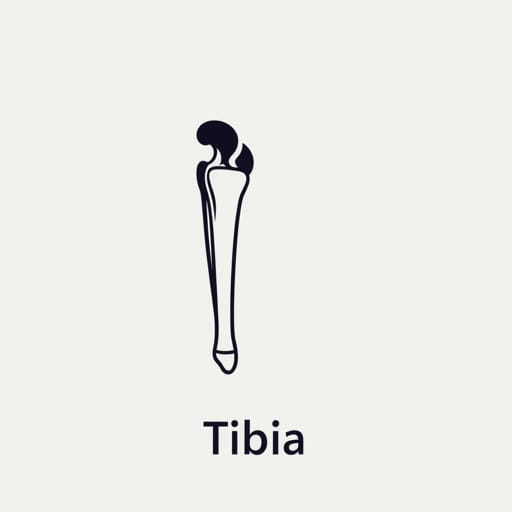
The human leg is an intricate structure made up of bones, muscles, tendons, and ligaments that work together to support movement and balance. One of the most prominent bones in the lower leg is commonly referred to as the shinbone. However, in medical and anatomical terms, there are other names used to describe this essential bone. Understanding another term for shinbone, as well as its function and significance in the human body, offers deeper insight into how our skeletal system operates and why this bone is so vital to our daily lives.
What Is Another Term for Shinbone?
The most accurate anatomical term for the shinbone is thetibia. The tibia is the larger and stronger of the two bones in the lower leg, the other being the fibula. While ‘shinbone’ is a common, everyday term, ‘tibia’ is the scientific name used by healthcare professionals, researchers, and in educational contexts. When someone refers to the tibia, they are speaking about the bone that runs from the knee to the ankle on the front side of the lower leg.
The Tibia in Context
In anatomical language, using specific terms like tibia instead of shinbone allows for greater precision, especially when describing injuries, medical conditions, or surgical procedures. The tibia is considered one of the long bones in the body and plays a critical role in supporting body weight and enabling movement.
Anatomical Features of the Tibia
The tibia has several distinct parts that serve different purposes in the musculoskeletal system:
- Proximal End: This is the upper part of the tibia that connects to the femur (thighbone) at the knee joint.
- Tibial Tuberosity: Located on the front of the upper tibia, this is where the patellar ligament attaches.
- Shaft: The long, straight part of the bone that makes up the majority of the shin region.
- Medial Malleolus: The lower end of the tibia that forms the inner part of the ankle joint.
These features allow the tibia to function as a weight-bearing bone and also serve as attachment points for muscles and ligaments involved in leg movement and stability.
The Relationship Between the Tibia and Fibula
Although the tibia is often the focus when discussing the shin area, it works in tandem with the fibula. The fibula is a thinner bone that runs parallel to the tibia on the outer side of the leg. While it doesn’t bear much weight, the fibula provides structural support and contributes to the stability of the ankle joint. The two bones are connected by a strong fibrous membrane known as the interosseous membrane.
Weight-Bearing Role
The tibia is responsible for bearing about 80% of the body’s weight when standing, walking, or running. This is why tibial fractures are more common and more serious compared to injuries involving the fibula. Because of its key function in supporting weight, proper healing of the tibia is essential after trauma or surgery.
Common Injuries and Conditions Affecting the Tibia
The tibia can be vulnerable to a range of injuries and conditions, especially in athletes or individuals involved in high-impact activities. Some of the most frequent tibial issues include:
- Stress Fractures: Tiny cracks in the tibia caused by repetitive stress or overuse.
- Tibial Shaft Fractures: Complete breaks that may result from trauma, such as car accidents or falls.
- Shin Splints: Pain along the front of the lower leg, often related to inflammation of the muscles and tissues around the tibia.
- Osgood-Schlatter Disease: A condition that affects growing adolescents, involving inflammation at the tibial tuberosity.
Treatment for tibial injuries varies depending on the severity but may include rest, bracing, physical therapy, or surgical intervention.
Role of the Tibia in Movement
As the primary bone of the lower leg, the tibia works closely with muscles such as the quadriceps, hamstrings, calf muscles, and tendons like the Achilles. These muscular attachments enable a wide range of motions, including walking, running, jumping, and climbing. The tibia acts as a lever that helps convert muscle contractions into mechanical movement, making it essential for both basic and complex physical activities.
Muscle Attachments
Several muscles attach to the tibia, including:
- Tibialis anterior: Important for lifting the foot (dorsiflexion).
- Soleus and gastrocnemius: Located at the back of the leg, these muscles help in pushing the foot downward (plantarflexion).
- Sartorius and gracilis: Contribute to bending and rotating the leg at the knee.
Importance of the Tibia in Posture and Balance
In addition to facilitating movement, the tibia plays a vital role in maintaining posture and balance. When standing, the tibia helps to distribute the body’s weight evenly from the thighbone to the foot. Its connection to the ankle and foot bones ensures that movements are smooth and coordinated, helping the body maintain alignment and reduce the risk of falls or strain.
Impact on Gait
The gait cycle, or the pattern of walking, depends heavily on the proper functioning of the tibia. Any misalignment, injury, or deformity in the tibia can lead to abnormal gait patterns, which may in turn cause additional problems in the hips, spine, or feet.
Medical Terminology vs Common Usage
While ‘shinbone’ is a perfectly acceptable term in casual conversation, using ‘tibia’ is preferable in medical or scientific contexts. Patients may hear both terms used interchangeably depending on the setting. Understanding that these terms refer to the same structure helps improve communication between doctors and patients.
Other Related Terms
Depending on the context, you might also encounter the following terms associated with the tibia:
- Medial lower leg bone refers to its position closer to the center of the body.
- Anterior leg bone describes its location toward the front of the leg.
- Crural bone a term sometimes used in anatomy to refer to bones in the lower leg.
Another term for shinbone is the tibia, a strong and vital part of the lower leg that plays a central role in supporting body weight, enabling movement, and maintaining balance. While the word ‘shinbone’ is more common in daily conversation, ‘tibia’ is the precise anatomical term that provides clarity in medical and scientific discussions. Understanding the structure, function, and significance of the tibia enriches our appreciation for the remarkable complexity of the human body. Whether you’re an athlete, a healthcare professional, or simply someone curious about anatomy, recognizing the tibia as more than just the shinbone helps illuminate its crucial role in our mobility and stability.