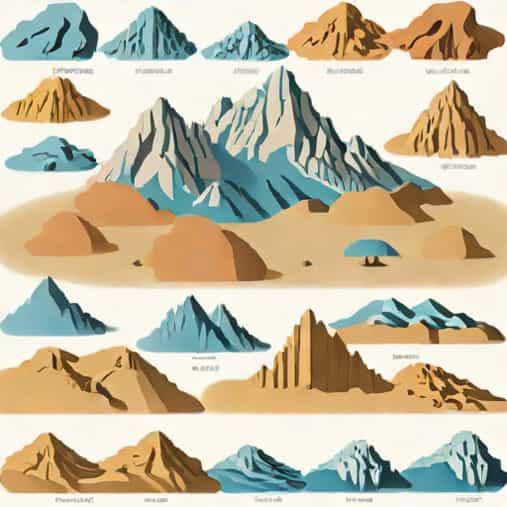
Geology is the scientific study of the Earth, its materials, processes, and history. It explores everything from the minerals and rocks beneath our feet to the forces that shape landscapes and influence the environment. Understanding geology allows us to uncover the Earth’s past, predict natural events, and responsibly manage natural resources. By studying geology, we gain insight into phenomena like earthquakes, volcanoes, mountain formation, and even the history of life on our planet. Its applications span fields such as environmental science, engineering, and resource management, making it an essential discipline for both scientific exploration and practical problem-solving.
What is Geology?
Geology is a branch of Earth sciences that focuses on studying the solid Earth, its structure, and the processes that act upon it. Geologists analyze rocks, minerals, soils, and fossil records to understand how the planet has evolved over millions of years. By examining these elements, scientists can reconstruct Earth’s history, identify natural hazards, and find valuable resources like water, minerals, and energy.
The field of geology also includes the study of dynamic processes such as plate tectonics, erosion, sedimentation, and volcanic activity. These processes continuously shape the Earth’s surface, creating mountains, valleys, coastlines, and other geological features. Understanding these mechanisms helps geologists predict natural disasters and informs the planning of cities, infrastructure, and resource extraction.
Branches of Geology
Geology is a broad field with multiple specialized branches that focus on different aspects of Earth sciences. Each branch provides unique insights and tools to study the planet effectively.
1. Mineralogy
Mineralogy is the study of minerals, their chemical composition, crystal structure, and physical properties. It is essential for identifying rocks, understanding geological formations, and discovering valuable materials like gemstones and industrial minerals.
2. Petrology
Petrology focuses on the study of rocks, including their origin, composition, and classification. Rocks are divided into three main types igneous, sedimentary, and metamorphic. Understanding rocks helps geologists interpret the geological history of a region and locate potential resources.
3. Paleontology
Paleontology is the study of fossils and ancient life forms. By examining fossil records, geologists can trace the evolution of life on Earth and understand past climates and ecosystems. This branch also helps in correlating rock layers and dating geological formations.
4. Structural Geology
Structural geology examines the deformation of rocks and the formation of geological structures like faults, folds, and mountains. This knowledge is crucial for assessing earthquake risks, planning construction projects, and exploring oil and gas reserves.
5. Sedimentology
Sedimentology focuses on the study of sedimentary rocks and the processes that form them, including deposition, transportation, and erosion. It provides insights into past environments and helps locate fossil fuels and groundwater reservoirs.
6. Volcanology
Volcanology is the study of volcanoes, magma, and related phenomena. By understanding volcanic processes, scientists can predict eruptions and mitigate their impact on communities and ecosystems.
7. Seismology
Seismology deals with earthquakes and the propagation of seismic waves. This branch helps in monitoring seismic activity, designing earthquake-resistant structures, and studying the Earth’s interior.
Key Concepts in Geology
Several fundamental concepts form the backbone of geological studies. These principles help geologists interpret Earth’s past, present, and future processes.
Plate Tectonics
Plate tectonics is the theory that explains the movement of Earth’s lithospheric plates. These plates float on the semi-fluid asthenosphere beneath them, and their interactions cause earthquakes, volcanic eruptions, and mountain building. Plate tectonics also explains the distribution of continents and ocean basins over time.
The Rock Cycle
The rock cycle illustrates how igneous, sedimentary, and metamorphic rocks transform into one another over geological time. This continuous process involves melting, cooling, erosion, sedimentation, and metamorphism, demonstrating the dynamic nature of the Earth’s crust.
Geologic Time Scale
The geologic time scale divides Earth’s history into eons, eras, periods, and epochs based on major geological and biological events. This framework allows geologists to date rocks and fossils accurately, providing a timeline of Earth’s development and the evolution of life.
Earth Materials
Understanding Earth’s materials, such as minerals, rocks, and soils, is essential for geology. Minerals are the building blocks of rocks, while soils result from the weathering and breakdown of rocks. Studying these materials provides information about past environments and the availability of natural resources.
Applications of Geology
Geology is not just an academic pursuit; it has numerous practical applications that impact daily life and global development.
Natural Resource Management
Geologists help locate and manage essential resources like minerals, oil, gas, and groundwater. Their expertise ensures sustainable extraction and reduces environmental impact.
Environmental Geology
Environmental geologists study how natural processes and human activities affect the Earth. They assess soil contamination, water quality, and hazards like landslides or floods, guiding policies and conservation efforts.
Engineering and Construction
Geological studies inform the planning and construction of buildings, dams, roads, and tunnels. Understanding soil composition, rock stability, and seismic risks ensures safe and durable structures.
Disaster Mitigation
By studying earthquakes, volcanoes, and other geological hazards, geologists contribute to disaster preparedness and risk reduction. This knowledge helps communities plan evacuation routes, design resilient infrastructure, and respond effectively to emergencies.
Tools and Techniques in Geology
Geologists use a wide range of tools and techniques to study Earth. Fieldwork often involves rock hammers, compasses, GPS devices, and sample collection kits. Laboratory analysis includes microscopes, X-ray diffraction, and chemical testing to determine the composition and structure of rocks and minerals.
Modern technology has also introduced remote sensing, satellite imagery, and computer modeling, allowing geologists to study large areas and predict geological processes more accurately. These tools enhance both research and practical applications, from resource exploration to environmental management.
Common Geological Tools
- Rock hammers and hand lenses for field examination
- GPS and mapping tools for location and surveying
- Microscopes and spectrometers for laboratory analysis
- Seismographs and sensors for monitoring earthquakes
- Satellite imagery and GIS software for mapping and modeling
Why Study Geology?
Studying geology provides a deeper understanding of the planet we inhabit. It equips individuals with knowledge about natural processes, resource management, and environmental protection. Geologists play a critical role in society by helping to prevent natural disasters, locate essential resources, and preserve ecosystems. Beyond practical applications, geology also satisfies human curiosity about Earth’s origins, evolution, and the forces that shape our world.
An introduction to geology reveals a fascinating and multifaceted field that blends science, exploration, and practical problem-solving. From studying rocks and minerals to understanding earthquakes, volcanoes, and climate changes, geology helps us interpret the past, navigate the present, and prepare for the future. Its principles, tools, and applications are essential not only for scientists but also for anyone interested in the Earth and its processes. By exploring geology, we gain a richer appreciation of the planet’s complexity, resilience, and beauty, making it a vital discipline for both knowledge and everyday life.