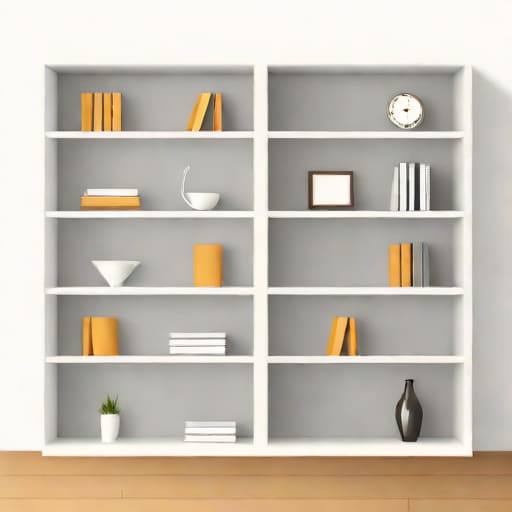
Alcove shelving ideas can transform underutilized spaces into functional and stylish areas that enhance the overall look and organization of a home. Alcoves, which are recessed spaces in walls, often go unnoticed but have great potential for storage, display, or even decorative purposes. By thoughtfully designing shelves for alcoves, homeowners can maximize vertical space, create visual interest, and keep everyday items neatly arranged. Whether the goal is to create a cozy reading nook, a display area for collectibles, or a practical storage solution for books and household items, alcove shelving offers a versatile approach that fits a variety of interior styles. With the right design, these shelving units can blend seamlessly into the room while providing a focal point that draws attention and adds value to the space.
Understanding Alcove Shelving
Alcove shelving involves installing shelves within a recessed wall area, often making use of spaces that might otherwise be wasted. Unlike standard wall shelving, alcove shelves are framed by the surrounding walls, which can create a more integrated and custom appearance. Depending on the depth and width of the alcove, shelves can be installed as floating units, built-in cabinets, or modular shelving systems. Materials range from wood and MDF to metal or glass, allowing flexibility in style and durability. Proper planning is key to making the most of alcove shelving, taking into account the height, weight of items to be stored, and overall aesthetic goals.
Benefits of Alcove Shelving
- Maximizes unused wall space for storage or display.
- Helps keep items organized and accessible.
- Creates a visually appealing feature within a room.
- Can be customized to match existing furniture or décor.
- Offers flexible solutions for small or awkward spaces.
Design Ideas for Alcove Shelving
When it comes to designing alcove shelving, there are numerous approaches depending on the purpose and style of the space. One popular idea is to create floating shelves that appear sleek and modern. These shelves can be used to display books, decorative items, or framed photos. Another option is built-in cabinetry that includes both open shelves and closed storage, offering a balance between display and concealed storage. For a cozy reading nook, alcove shelving can be combined with a bench seat and cushions, transforming the space into a multifunctional area. Using contrasting colors or materials can also add depth and interest, making the shelving a design feature rather than just a storage solution.
Popular Alcove Shelving Styles
- Floating wooden shelves for a minimalist, modern look.
- Glass or acrylic shelves to create a light, airy feel.
- Built-in cabinets with open and closed compartments.
- Industrial-style metal shelving for a rustic or loft aesthetic.
- Customized painted shelves that match or contrast with wall colors.
Maximizing Functionality
Alcove shelving can serve multiple purposes, from storage to decoration. For small spaces, consider adjustable shelves that allow for flexibility in storing items of different heights. In kitchens, alcove shelving can hold cookbooks, spices, or small appliances, freeing up counter space. In living rooms or offices, shelves can display books, collectibles, or awards while keeping them organized. Adding LED lighting to alcove shelves can highlight decorative items and create a warm ambiance. Additionally, incorporating baskets or boxes on the lower shelves can help hide clutter, ensuring the area remains tidy and visually appealing.
Functional Tips
- Use adjustable shelving for flexibility in storage options.
- Add lighting to highlight items and improve visibility.
- Incorporate closed storage or baskets to hide clutter.
- Plan shelf spacing based on the height of items you want to store.
- Use durable materials for heavy items to prevent sagging.
Decorative Approaches
Alcove shelving is not just practical-it can also enhance the aesthetic of a room. Decorative arrangements, such as color-coordinated books, plants, or artistic objects, can turn alcoves into a focal point. Mirrors or back panels can create the illusion of depth, making the room feel larger. Seasonal decorations can also be rotated on these shelves, keeping the space fresh and visually engaging throughout the year. Incorporating a mix of textures, such as wood, metal, and glass, can add dimension and interest, ensuring that the alcove shelving complements the overall design of the room.
Decorating Ideas
- Group items in odd numbers for a balanced visual arrangement.
- Mix vertical and horizontal storage to create dynamic layouts.
- Use plants or greenery to add life and color.
- Incorporate personal items like framed photos or souvenirs.
- Add accent lighting to emphasize key decorative pieces.
DIY vs. Professional Installation
Depending on your skills and budget, alcove shelving can be a DIY project or professionally installed. DIY shelving allows for customization and cost savings, and many guides are available for floating shelves, simple built-ins, and adjustable units. However, professional installation may be preferable for larger, heavier, or more complex designs, especially when built-in cabinets or high-quality finishes are desired. A professional can ensure precise measurements, secure mounting, and a polished look that integrates seamlessly with the room. Weighing the benefits of DIY versus professional installation helps homeowners achieve the desired balance between functionality, style, and budget.
Considerations for Installation
- Measure alcove dimensions accurately before planning shelves.
- Determine the weight capacity needed for intended items.
- Choose materials that complement the room’s design.
- Ensure secure mounting to prevent accidents or sagging.
- Consider future adaptability and potential for additional shelves.
Creative Alcove Shelving Ideas for Different Rooms
Alcove shelving can be tailored to fit various rooms and purposes. In the living room, it can house books, decorative objects, or electronics. In bedrooms, alcove shelves can be used for books, personal items, or display collections. Kitchens benefit from alcove shelving for cookbooks, utensils, and small appliances. Even bathrooms can incorporate alcove shelves to store toiletries, towels, and decorative items without taking up floor space. The adaptability of alcove shelving makes it a versatile solution that can be customized to meet the functional and aesthetic needs of any room in the home.
Room-Specific Ideas
- Living room built-in shelves for books, photos, and décor accents.
- Bedroom display shelves for accessories or personal collections.
- Kitchen spice racks, cookbooks, and small appliance storage.
- Bathroom recessed shelves for toiletries, candles, or towels.
- Home office floating or adjustable shelves for office supplies and documents.
Alcove shelving ideas provide a creative and practical way to enhance unused wall spaces in any home. By combining functionality with decorative appeal, these shelves can serve as storage solutions, display areas, or focal points within a room. Careful planning, including measurement, material selection, and design style, ensures that the shelving is both practical and visually appealing. Whether opting for DIY installations or professional-built units, alcove shelves offer flexibility and style that can be tailored to any room or purpose. From cozy reading nooks and organized home offices to stylish living room displays and kitchen storage, alcove shelving is a versatile solution that adds value, organization, and charm to your living space. With thoughtful design and attention to detail, alcove shelving can transform overlooked areas into attractive and functional elements of your home.