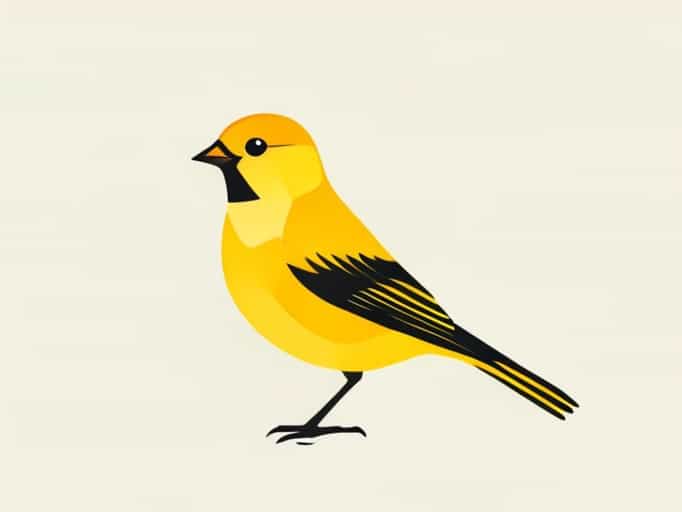
The Yellowhammer, also known as the Northern Flicker or scientifically as *Colaptes auratus*, is the proud state bird of Alabama, recognized for its vibrant yellow plumage and distinctive call. This bird holds cultural and ecological significance within the state, symbolizing both natural beauty and the rich biodiversity of Alabama’s forests and grasslands. The Yellowhammer is admired not only for its striking coloration but also for its fascinating behaviors, adaptability to different habitats, and role in local ecosystems. Learning about the Alabama state bird provides insight into the state’s wildlife heritage, conservation efforts, and the importance of preserving natural habitats for future generations.
Overview of the Yellowhammer
The Yellowhammer is a member of the woodpecker family and is widely known for its striking yellow underparts and brown-spotted back. Its head is marked with a combination of red, black, and yellow, creating a distinctive and easily recognizable appearance. The bird’s long, slightly curved bill is well-suited for foraging insects, seeds, and fruits. In Alabama, the Yellowhammer can be found in a variety of habitats, including woodlands, open fields, farmlands, and suburban areas, showcasing its adaptability and resilience.
Physical Characteristics
- Bright yellow underparts and brown-spotted wings
- Red crown or nape, depending on subspecies and gender
- Long, slightly curved bill adapted for pecking and foraging
- Black crescent-shaped markings on the chest in males
- Strong legs and feet suitable for perching and climbing trees
Habitat and Distribution
The Yellowhammer thrives in a variety of habitats, making it a common sight throughout Alabama. It prefers open woodlands, pine forests, farmland edges, and areas with scattered trees and shrubs. These birds are also frequently observed in suburban and urban areas, where they adapt to bird feeders and landscaped yards. Their nesting sites typically include tree cavities, abandoned woodpecker holes, or man-made nesting boxes. This adaptability has helped the Yellowhammer maintain stable populations despite increasing urbanization and habitat changes in Alabama.
Preferred Habitats
- Open woodlands with scattered trees and shrubs
- Pine forests and mixed hardwood areas
- Farmland edges and pastures
- Suburban yards and parks with bird feeders
- Nesting in tree cavities or artificial birdhouses
Diet and Feeding Habits
The Yellowhammer’s diet is diverse, reflecting its adaptability and opportunistic feeding behavior. It primarily consumes insects such as beetles, ants, and caterpillars, which it digs out of the ground or pecks from trees. Seeds, berries, and fruits also constitute a significant portion of its diet, especially during the winter months when insects are less abundant. The Yellowhammer uses its strong bill to forage both on the ground and in trees, and its feeding behavior plays an important role in controlling insect populations and dispersing seeds in Alabama’s ecosystems.
Feeding Patterns
- Forages for insects on the ground and in tree bark
- Consumes seeds, grains, and fruits seasonally
- Uses its curved bill to probe and excavate prey
- Feeding activity peaks during early morning and late afternoon
- Plays a role in maintaining ecological balance by controlling pests
Behavior and Breeding
The Yellowhammer exhibits fascinating behavioral patterns, including distinctive drumming, vocal calls, and mating rituals. Male Yellowhammers are known for their energetic drumming on tree trunks or metal surfaces, which serves as both a territorial display and a method to attract mates. During the breeding season, which typically occurs in spring and early summer, males perform elaborate displays while females select suitable nesting sites. Clutch sizes generally range from four to six eggs, which are incubated for about 12 days. Both parents participate in feeding and raising the chicks until they fledge, usually after two to three weeks.
Breeding and Nesting Habits
- Nests in tree cavities, old woodpecker holes, or artificial boxes
- Clutch size typically ranges from four to six eggs
- Incubation period lasts approximately 12 days
- Both parents feed and care for chicks until fledging
- Male displays include drumming and vocal calls to attract mates
Vocalizations and Communication
The Yellowhammer is particularly known for its distinctive song, which sounds like Yankee Doodle or a series of clear, high-pitched notes repeated in sequence. Males use these vocalizations to establish territory, attract females, and communicate with other birds. In addition to singing, Yellowhammers use calls to signal danger, indicate food sources, or coordinate with their mates. Birdwatchers in Alabama often recognize the Yellowhammer first by its bright plumage and then by its cheerful, unmistakable song echoing through fields and forests.
Communication Patterns
- Distinctive song used primarily by males for mating and territorial purposes
- Short calls signal danger or communicate with nearby mates
- Drumming behavior reinforces territory and attracts females
- Variety of calls allows adaptation to different environments
Conservation Status
The Yellowhammer is currently not considered endangered and maintains a stable population across Alabama and other parts of the United States. However, conservation efforts remain important to preserve its natural habitats, especially in areas facing urban development or agricultural expansion. Protecting forested areas, maintaining open fields, and providing nesting opportunities through artificial boxes all contribute to supporting healthy Yellowhammer populations. Environmental education and awareness programs in Alabama often highlight the Yellowhammer as a symbol of state pride and a species that benefits from community involvement in conservation.
Conservation Efforts
- Preservation of woodland and grassland habitats
- Provision of artificial nesting boxes in urban and suburban areas
- Monitoring population trends through bird surveys
- Public education programs to raise awareness of local wildlife
- Collaboration with environmental organizations to maintain biodiversity
Cultural Significance
The Yellowhammer has held cultural significance in Alabama for centuries, often celebrated for its bright yellow plumage and melodious song. Adopted as the official state bird in 1927, it symbolizes the natural beauty and resilience of the state’s wildlife. The bird’s name, Yellowhammer, is thought to originate from its yellow body and the hammers used to drum on trees. Schools, festivals, and conservation programs in Alabama often feature the Yellowhammer as a symbol of state pride, highlighting the importance of connecting residents with their natural heritage.
Role in Alabama’s Culture
- Official state bird since 1927
- Featured in educational programs and wildlife awareness initiatives
- Represents biodiversity and natural heritage of Alabama
- Popular subject in birdwatching and photography communities
- Symbolizes state pride and environmental stewardship
The Yellowhammer, Alabama’s state bird, is more than just a vibrant presence in forests and fields; it represents the ecological richness, cultural heritage, and natural beauty of the state. Its striking yellow plumage, distinctive song, and adaptable behavior make it a favorite among birdwatchers and nature enthusiasts. Understanding the Yellowhammer’s habitat, diet, breeding habits, and conservation needs allows residents and visitors alike to appreciate its significance and participate in efforts to protect Alabama’s wildlife. By celebrating the Yellowhammer, Alabama honors not only a beloved bird but also the broader responsibility of preserving its diverse ecosystems for generations to come.