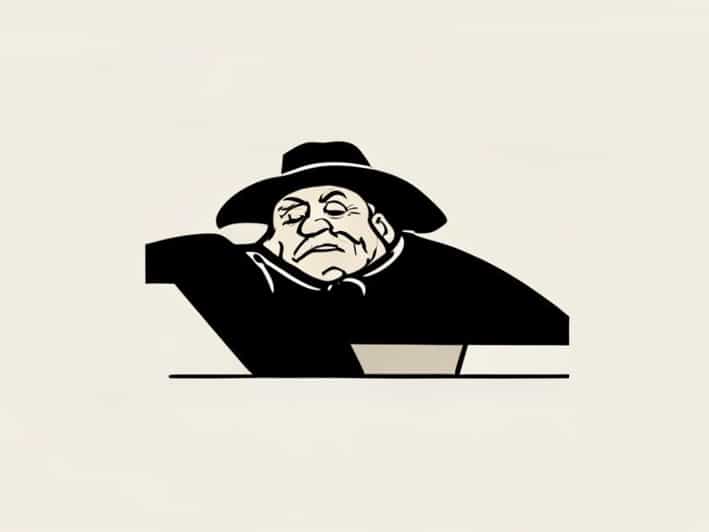
Rip Van Winkle is one of the most famous short stories in American literature, written by Washington Irving in the early 19th century. The tale has become a cultural symbol, often referenced when describing someone who has been away or unaware of significant changes around them. Set in a small village in the Catskill Mountains, the story captures themes of time, change, and identity. More than just a piece of fiction, it reflects early American history and the shift from colonial times to independence, making it an enduring part of literary tradition.
The Origin of Rip Van Winkle
Washington Irving first published Rip Van Winkle in 1819 as part of his collection titled The Sketch Book of Geoffrey Crayon, Gent. The story was inspired by European folklore, especially the German legend of Peter Klaus, about a man who falls asleep for many years. Irving adapted this myth to an American setting, turning it into a story that spoke to the nation’s identity during its formative years. The tale combined humor, fantasy, and moral reflection, creating a masterpiece that blended myth with reality.
The name Rip Van Winkle itself has become synonymous with long sleep or detachment from reality. Irving’s creativity in transforming a traditional European folktale into an American context gave rise to one of the first works that could truly be called an American classic.
Plot Summary
The story begins in a quiet Dutch village at the foot of the Catskill Mountains, where Rip Van Winkle lives. Rip is described as a kind but lazy man, loved by everyone except his nagging wife, Dame Van Winkle. While he is good-natured and always willing to help others, he avoids hard work on his own farm, which falls into neglect.
One day, to escape his wife’s constant scolding, Rip wanders into the mountains with his dog, Wolf. There, he encounters a mysterious group of men dressed in old-fashioned Dutch clothing, playing ninepins. Rip joins them for a drink of their strange liquor, which makes him drowsy. When he wakes up, he finds himself alone, his beard long and his gun rusty. Unknowingly, Rip Van Winkle has slept for twenty years.
When Rip returns to his village, he discovers that everything has changed. The people, the buildings, even the politics are different. The American Revolution has taken place, and the village is no longer under British rule. Confused and disoriented, Rip finally learns that his wife has died and that his children are grown. He resumes his life as a storyteller, amusing villagers with tales of his incredible sleep and the mysterious men in the mountains.
The Themes of Rip Van Winkle
The Passage of Time
One of the central themes of Rip Van Winkle is the passage of time and the changes it brings. Rip’s twenty-year sleep acts as a symbol of transformation not just for him personally but also for the world around him. When he wakes, he finds that everything he once knew has evolved. His long sleep allows readers to see the drastic contrast between the old world and the new.
Change and Identity
Through Rip’s experience, Irving explores the theme of identity in a changing society. Rip represents the old colonial spirit carefree, loyal to tradition, and somewhat indifferent to progress. When he returns to find his country transformed after the Revolution, Rip must adapt to a new sense of identity. The story subtly reflects how individuals and nations struggle to define themselves amid change.
Freedom and Escape
Rip’s journey into the mountains can also be interpreted as a search for freedom. Trapped by his wife’s constant nagging and the pressures of daily life, Rip longs for peace and rest. His magical sleep can be seen as a symbolic escape from the burdens of responsibility and modern life. However, when he wakes up, he must face a new world where even freedom comes with consequences.
Symbolism in the Story
Irving’s story is filled with symbolic meaning that goes beyond the surface narrative. The Catskill Mountains represent mystery and transformation a place where the ordinary laws of time and nature do not apply. The group of ghostly men who play ninepins are thought to represent the spirits of Henry Hudson’s crew, linking the story to local legend and giving it a supernatural touch.
Rip’s sleep symbolizes detachment from progress. When he wakes, the American Revolution has taken place, and the world he knew is gone. This change can be seen as a metaphor for the shift from the old colonial ways to the new democratic ideals of the United States. Rip’s confusion upon awakening mirrors the uncertainty of a nation adjusting to newfound independence.
Character Analysis
Rip Van Winkle
Rip is portrayed as a simple, kindhearted man who avoids conflict and hard work. His laziness is not malicious but rather stems from his good-natured desire to avoid confrontation. Despite his flaws, Rip’s innocence and gentleness make him a sympathetic character. His long sleep and awakening show how an ordinary person can become a witness to history, representing the common man in a time of great change.
Dame Van Winkle
Rip’s wife, Dame Van Winkle, represents authority, responsibility, and the demands of domestic life. Her constant scolding drives Rip away from home, setting the story in motion. Some readers interpret her as a symbol of societal pressure, while others see her as a necessary figure who keeps Rip’s character grounded in reality. Her absence after Rip’s return allows him to live in peace, but it also highlights how his life is defined by avoidance rather than growth.
The Villagers
The villagers serve as a reflection of society itself. Before Rip’s sleep, they are loyal subjects of the British crown. Afterward, they have transformed into proud American citizens. Through their behavior, Irving captures the essence of political and cultural change, showing how people adapt to new systems and ideas.
Historical Context
Rip Van Winkle was written during a period when the United States was still defining its national identity. The story subtly comments on the transformation of America from a collection of British colonies into an independent nation. Rip’s long sleep represents a metaphorical pause, allowing the country to wake up to a new era of freedom and change.
Irving’s use of humor and fantasy softens the political undertones, making the story accessible to a wide audience. It was one of the first literary works to celebrate American landscapes, traditions, and folklore, helping to establish a distinctly American voice in literature.
The Legacy of Rip Van Winkle
More than two centuries after its publication, Rip Van Winkle remains a beloved story studied in classrooms and adapted into plays, films, and artworks. Its themes of time, change, and nostalgia continue to resonate with readers of all ages. The phrase Rip Van Winkle has entered everyday language to describe someone who is out of touch with current events or who has been asleep to change for a long time.
The story’s lasting popularity comes from its ability to capture universal human experiences loss, transformation, and the desire to escape reality. Rip’s awakening is both humorous and tragic, reminding us that while change is inevitable, the human spirit can adapt and endure.
Rip Van Winkle is far more than a simple tale of a man who falls asleep for twenty years. It is a story about history, transformation, and the timeless struggle between past and present. Washington Irving’s writing blends humor, folklore, and social commentary to create a narrative that reflects both personal and national awakening. Through Rip’s long sleep, Irving invites readers to reflect on how time reshapes everything our homes, our nations, and our sense of self. Even today, the story of Rip Van Winkle reminds us that while the world changes around us, the core of human nature our longing for peace, belonging, and meaning remains the same.