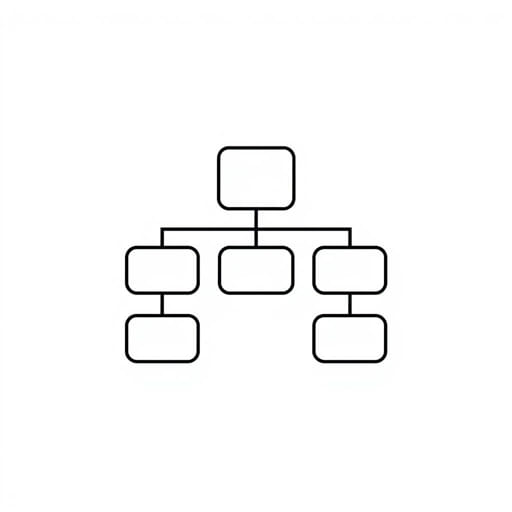
In today’s dynamic business landscape, companies require a clear and effective internal framework to manage people, processes, and productivity. One of the most widely used frameworks is a functional organizational structure. This model divides a company into specialized departments based on function, such as marketing, finance, human resources, operations, and sales. Each department operates under the leadership of a functional manager who is responsible for guiding their team’s goals and performance. A functional organizational structure enhances clarity, efficiency, and accountability, especially for companies focused on streamlining operations and maintaining consistent standards across departments.
Understanding the Functional Organizational Structure
A functional organizational structure is built on the concept of grouping employees based on their specific skills and job functions. This structure allows companies to develop in-depth expertise in various operational areas. It is particularly beneficial for organizations that need to perform repetitive tasks or manage complex procedures within defined categories.
Key Features of a Functional Structure:
- Employees are grouped by departments or functions
- Each department is led by a manager with expertise in that area
- Clear lines of authority and communication exist within departments
- Specialization allows for skill development and increased efficiency
- All departments contribute to the overall company mission while focusing on specific objectives
This structure provides clarity in reporting relationships and role expectations, which is especially useful in medium to large organizations that operate in stable environments.
Departments Within a Functional Organization
In a typical functional organizational structure, the company is divided into key departments that reflect the essential functions of the business. Each department has clearly defined responsibilities and goals aligned with the company’s overall objectives.
Common Functional Departments:
- Marketing: Handles advertising, public relations, and customer outreach
- Finance: Manages budgeting, accounting, and investment strategies
- Operations: Oversees production, logistics, and quality control
- Human Resources: Responsible for recruitment, training, and employee well-being
- Sales: Engages in selling products or services and maintaining client relationships
- IT: Supports technology infrastructure and systems management
Each department operates semi-independently, but collaboration is encouraged when projects require cross-functional input. This balance of independence and interdependence is one of the strengths of the functional organizational model.
Advantages of a Functional Structure
Many companies choose a functional organizational structure due to its clear advantages in managing specialized tasks and promoting internal consistency. By placing experts in roles that match their skills, organizations can optimize performance and reduce inefficiencies.
Major Benefits:
- Efficiency: Departments operate with a focused purpose, streamlining workflows
- Specialization: Employees develop deep knowledge in their functional area
- Clarity: Roles, responsibilities, and reporting lines are clearly defined
- Accountability: Functional managers oversee performance and ensure departmental success
- Consistency: Processes are standardized across departments for quality assurance
For companies that operate in relatively stable industries or provide consistent services, a functional organizational structure can lead to steady growth and reliable results.
Challenges and Limitations
Despite its advantages, the functional organizational structure is not without its challenges. While specialization promotes expertise, it can also create silos departments that operate in isolation and resist collaboration. Communication between functions may suffer, leading to delays, misunderstandings, or missed opportunities.
Common Drawbacks:
- Poor interdepartmental communication: Departments may not coordinate effectively
- Reduced innovation: Focused specialization can limit creativity and adaptability
- Slower decision-making: Multiple layers of approval within departments can delay progress
- Difficulty adapting: In dynamic markets, rigid structures may struggle to respond quickly
- Unequal priorities: Conflicting departmental goals may hinder overall company objectives
To overcome these limitations, companies often implement cross-functional teams or task forces to improve communication and foster innovation. Leaders play a critical role in ensuring departments stay aligned with the organization’s broader mission.
When to Use a Functional Structure
Choosing the right organizational structure depends on several factors, including company size, industry, goals, and complexity. A functional structure is best suited for businesses with well-defined processes and a need for specialization. It works especially well for organizations in manufacturing, finance, education, and public administration.
Ideal Conditions for a Functional Structure:
- The organization operates in a stable and predictable environment
- Processes are standardized and routine
- The business focuses on efficiency and quality control
- The company requires high levels of functional expertise
- Growth is controlled and planned
Startups and companies in rapidly changing industries may find more flexible structures, such as matrix or flat models, better suited to their needs. However, for organizations prioritizing internal discipline and role clarity, the functional model remains highly effective.
Improving Communication in a Functional Structure
One of the key criticisms of a functional structure is the potential for siloed thinking. To mitigate this, leadership must implement strong communication systems and encourage collaboration across departments. Technology can play a major role in bridging communication gaps.
Tips for Enhancing Cross-Functional Communication:
- Use project management tools for transparency and task tracking
- Hold regular interdepartmental meetings or workshops
- Assign liaisons to coordinate between departments
- Encourage job rotation or shadowing to increase awareness of other roles
- Promote a shared vision and company-wide goals
These strategies not only foster collaboration but also help build trust among teams. As departments understand each other’s challenges and contributions, the organization becomes more cohesive and effective.
Adapting the Functional Structure for Growth
As companies grow, their needs evolve. While a functional structure may serve well initially, it may need to be modified to handle new challenges, such as global expansion or diversified product lines. Hybrid structures, such as matrix or divisional models, may be introduced alongside the functional model to increase flexibility.
For example, a company may maintain functional departments while creating separate units based on product lines or geographic regions. This allows the business to retain the benefits of specialization while adapting to broader needs.
Scalability Strategies:
- Introduce new leadership roles to oversee cross-functional coordination
- Automate repetitive tasks to increase departmental efficiency
- Reassess reporting lines and adjust them to reduce bottlenecks
- Encourage ongoing training and leadership development
Growth should not compromise structure it should enhance it. With careful planning, the functional model can evolve alongside the company without losing its core strengths.
Building Success Through Structure
A functional organizational structure offers a strong foundation for companies seeking efficiency, specialization, and operational control. By aligning departments based on key business functions, organizations can optimize performance and maintain consistency. While this structure may pose challenges in communication and flexibility, proactive leadership and a willingness to adapt can help overcome these issues. For many businesses, especially those with routine operations and clear goals, a functional structure provides the clarity and discipline necessary to achieve long-term success.
#kebawah#