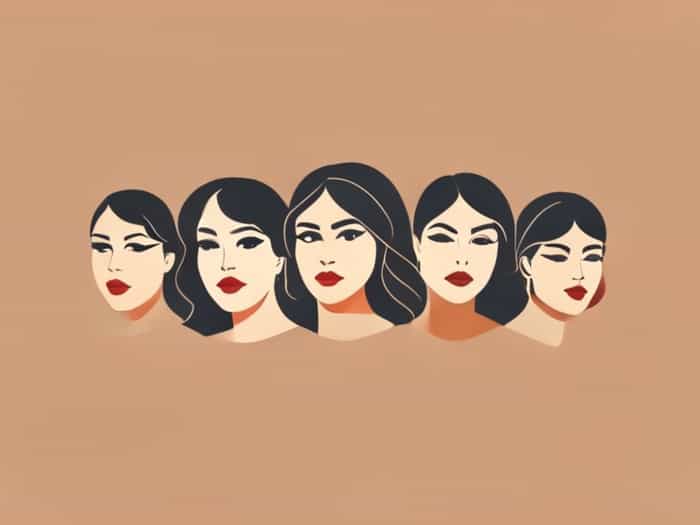
The phrase a bevy of beauties has a poetic and elegant sound to it, evoking an image of a group of attractive or charming people, usually women, gathered together. This expression has been used for centuries in literature, conversation, and even marketing to describe a scene filled with grace, charm, and visual appeal. But beyond its surface meaning, the phrase carries interesting layers of history, language, and cultural usage that make it worth exploring. Understanding what a bevy of beauties means and how it is used can offer insight into both the English language and the social nuances surrounding beauty and description.
Understanding the Meaning of A Bevy of Beauties
In English, the word bevy refers to a large group or collection of similar things, animals, or people. Traditionally, it was used to describe groups of birds, such as a bevy of quails or swans. Over time, this term expanded in its use to describe groups of people, especially women. When combined with the word beauties, it becomes a vivid and picturesque phrase that highlights not only quantity but also attractiveness and elegance.
Therefore, a bevy of beauties literally means a group of beautiful individuals. While it can be applied to men or women in modern usage, it most often refers to a collection of women admired for their charm, appearance, or poise. The phrase often appears in literary works, fashion writing, and social commentary to evoke a refined or glamorous atmosphere.
Origins and Etymology of the Word Bevy
The term bevy has roots in Middle English and can be traced back to the 15th century. It was commonly used in hunting language to refer to a group of birds, especially game birds like larks or quails. This origin gives the phrase an old-fashioned, almost aristocratic flavor, as it recalls the era of royal hunts and poetic descriptions of nature. Over time, the metaphorical sense of the word grew to include groups of people, particularly women, where the collective noun carried a sense of grace and refinement.
By the 18th and 19th centuries, a bevy of beauties had become a favorite phrase among poets, novelists, and social commentators who wanted to describe elegant gatherings or scenes of social splendor. It was often used to paint an image of sophistication, where beauty was admired as part of a collective scene rather than focusing on an individual.
Usage in Literature and Culture
Writers from different eras have used the phrase a bevy of beauties to set the tone for elegance and allure. In classic novels and period dramas, the expression often appears when describing parties, balls, or gatherings attended by refined women. The phrase evokes not only physical beauty but also manners, clothing, and charm all qualities admired in social settings of the time.
In modern culture, the phrase still finds its place, though often with a slightly nostalgic or humorous tone. It can appear in movie reviews, fashion magazines, or even in everyday conversation when someone wants to describe a group of attractive individuals. While the expression carries a touch of old-fashioned elegance, it remains widely understood and appreciated for its poetic rhythm.
The Connotation of A Bevy of Beauties
Although a bevy of beauties sounds pleasant, it can sometimes have layered meanings depending on context. In a positive sense, it highlights admiration, charm, and grace. However, in some modern interpretations, it may be seen as slightly objectifying, as it focuses on appearance rather than personality or talent. The perception often depends on the tone and setting in which it is used.
In artistic or literary contexts, the phrase still functions beautifully as an image of harmony and collective appeal. In casual conversation, however, it might be used playfully or ironically, especially given changing social attitudes toward language that emphasizes physical beauty.
Modern Adaptations and Related Expressions
The English language contains many similar expressions that describe groups of beautiful or notable individuals. While a bevy of beauties remains one of the most lyrical, others include
- A galaxy of stars often used for famous celebrities or talented people.
- A bouquet of ladies emphasizing grace and refinement.
- A charm of women highlighting pleasant manners and demeanor.
- A cluster of models more contemporary and literal in use.
These expressions reflect the creativity of English collective nouns and how they evolve with time. The imagery in such phrases often blends nature, elegance, and admiration, which makes them memorable and versatile.
Symbolism and Cultural Meaning
Symbolically, a bevy of beauties represents more than mere appearance. It stands for unity in diversity, harmony in form, and the collective celebration of aesthetics. When used in poetry or storytelling, it can evoke emotions of admiration, joy, and even nostalgia for a time when beauty was idealized as an art form.
In visual culture, such as paintings or photography, the concept of a group of beautiful individuals often symbolizes abundance, fertility, and the richness of life. This makes the phrase particularly resonant in discussions of art, literature, and social gatherings.
Examples of How to Use A Bevy of Beauties
Here are some examples that show how the phrase can be used naturally in sentences
- The film premiere was attended by a bevy of beauties dressed in shimmering gowns.
- He was surrounded by a bevy of beauties, each more graceful than the last.
- The artist’s new collection features a bevy of beauties inspired by classic mythology.
- At the charity gala, a bevy of beauties greeted the guests with warm smiles.
These examples demonstrate how the phrase adds color and elegance to writing, often painting a picture of abundance and allure. It can be used in both literal and figurative ways, depending on the writer’s intent.
Why the Phrase Endures
Despite changes in language and cultural perception, a bevy of beauties continues to endure because of its rhythmic flow and vivid imagery. The combination of the soft consonant sounds and the balanced structure makes it pleasing to the ear. Moreover, it captures an idea that humans have admired for ages the collective power of beauty and charm.
In a world increasingly focused on individuality, this phrase reminds us of the strength found in groups and the aesthetic pleasure of seeing harmony among many. Whether describing a scene in a novel, a photograph, or a real-life event, the phrase retains its evocative quality and emotional resonance.
A bevy of beauties is more than a simple expression it is a linguistic snapshot of admiration, artistry, and the human appreciation for beauty in groups. From its origins in medieval English to its ongoing presence in modern speech, the phrase continues to carry a sense of poetic grace. It connects us to the rich traditions of English literature and the timeless fascination with beauty, elegance, and unity. Whether used seriously or with a hint of irony, it remains one of the most charming phrases in the English language, capable of transforming an ordinary description into something almost magical.