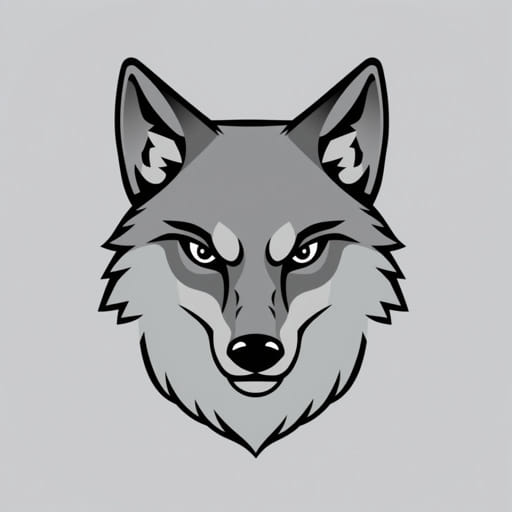
The character of the Wolf fromPuss in Boots: The Last Wishtook audiences by surprise with his chilling presence and deep symbolism. Unlike typical villains in animated films, this mysterious figure is more than just an antagonist he represents a universal fear that touches everyone: the fear of death. His cold stare, eerie whistle, and unstoppable pursuit of Puss add a new dimension to the DreamWorks franchise. As both a narrative device and a philosophical presence, the Wolf captures the attention of viewers, young and old, while reshaping what we expect from animated storytelling.
The Identity of the Wolf
More Than a Villain
InPuss in Boots: The Last Wish, the Wolf is revealed to be the personification of Death. Unlike many fantasy characters who hide behind disguises or magic, he is straightforward about who he is and what he represents. His role is not simply to scare or obstruct the hero, but to remind him and the audience of the limits of life. This makes him a deeply existential character in a film primarily marketed to children.
This approach was a bold move by the filmmakers. Death is rarely addressed so directly in family entertainment, but the Wolf’s inclusion proves that animated stories can handle deep, emotional, and mature themes with care and style. His character doesn’t just chase Puss; he forces him to reflect on his past, his arrogance, and his mortality.
Voice and Presence
The Wolf is voiced by Wagner Moura, whose performance blends charm, menace, and wisdom. Every word he speaks carries weight, and his calm delivery makes him even more intimidating. The way he moves graceful, quiet, and always in control adds to his supernatural presence. He is not chaotic or angry; he is inevitable, just like the concept he represents.
The Role of the Wolf in the Story
A Catalyst for Change
When Puss discovers he has used up eight of his nine lives, he begins to panic, fearing the one life he has left. The Wolf appears at this moment not just as a hunter, but as a symbol of the consequences of recklessness. For years, Puss has lived without fear, assuming he was invincible. The Wolf’s appearance challenges that belief and pushes him toward transformation.
Rather than simply trying to defeat the Wolf, Puss must learn from him. The fear of death becomes a motivator for growth. The Wolf doesn’t need to fight all the time to win; his very presence is enough to change Puss’s entire outlook on life. He becomes the most important character in Puss’s emotional journey.
Moments of Intensity
Some of the most memorable scenes in the movie involve the Wolf. His sudden arrivals are accompanied by an eerie whistling sound that creates instant tension. Whether it’s in a quiet forest or during an intense chase, the atmosphere changes the moment he steps into frame. His red eyes and dark cloak stand in stark contrast to the colorful world around him.
These visual contrasts emphasize the seriousness he brings. The filmmakers use lighting, shadows, and sound design effectively to make his scenes feel different from the rest of the movie. While other parts of the film include comedy and action, scenes with the Wolf often feel like they belong in a psychological thriller.
Symbolism Behind the Wolf
Death as a Concept
The Wolf is not just a character; he is a concept come to life. His role as Death reflects the fear we all share but often try to ignore. He doesn’t chase Puss because he’s evil; he does so because that’s his purpose. Everyone must face him eventually, and there’s no escaping that truth. This makes the Wolf more philosophical than villainous.
Through his interactions with Puss, the film explores themes like regret, courage, and the value of time. By showing death in a tangible form, the movie makes abstract ideas more accessible, especially to younger viewers. It invites discussion about what it means to live fully and what we do with the time we’re given.
Fear as a Motivator
The Wolf uses fear not to destroy, but to awaken. When Puss runs from him, it symbolizes denial. But when Puss finally faces him, it represents acceptance. This turning point is crucial. The fear of death transforms into a motivation to cherish life, friendships, and love. This is a powerful message, especially in a world that often glamorizes fearlessness and risk-taking.
Impact on the Franchise
Adding Depth to the Series
ThePuss in Bootsfranchise began as a lighthearted spin-off from theShrekseries. It focused on comedy, action, and clever dialogue. However, with the introduction of the Wolf, the tone shifted. Suddenly, audiences were presented with real emotional stakes and life-changing choices.
This evolution shows that animated films can grow with their audiences. By adding characters like the Wolf, the franchise opens itself up to deeper storytelling. This not only attracts older viewers but also gives younger ones more to think about, making the movie a more rewarding experience on repeat viewings.
Audience Reactions
Many viewers described the Wolf as one of the scariest and most intriguing animated villains in recent memory. His quiet menace stood out in a genre that often relies on loud and exaggerated bad guys. Social media buzzed with praise for his character design, voice acting, and role in the plot.
Some fans even noted that the Wolf stole the show. Despite being a supporting character, his scenes left a lasting impression. He sparked discussions about mortality, fear, and the importance of living a meaningful life. Few animated villains have made such an impact with so little screen time.
Why the Wolf Matters
Breaking Expectations
The Wolf defies the expectations of what an animated villain should be. He is calm instead of chaotic, wise instead of foolish, and symbolic instead of self-serving. This sets him apart from other DreamWorks characters and places him in a unique category of storytelling figures who represent deeper truths.
His inclusion inPuss in Boots: The Last Wishchallenges the idea that children’s films should avoid difficult topics. Instead, it shows that young audiences can handle and even benefit from thoughtful portrayals of fear, change, and mortality.
A Character to Remember
The Wolf fromPuss in Bootsis more than a well-designed antagonist he is a narrative force that transforms the story. He brings an emotional core to the film and forces the main character, and the audience, to confront something unavoidable. He may not be the hero, but he is the reason the hero becomes better.
Through fear, reflection, and confrontation, the Wolf teaches one of life’s most important lessons: that death is not the enemy of life, but its companion. Facing it with courage and understanding is what gives life its true meaning.
InPuss in Boots: The Last Wish, the Wolf represents one of the most creative and powerful uses of symbolism in modern animation. As a manifestation of Death, he brings weight, mystery, and emotional resonance to a story that might otherwise be a simple adventure. His presence elevates the entire film, reminding audiences of the value of every moment. Whether feared or admired, the Wolf leaves a lasting impression that continues to echo long after the credits roll.