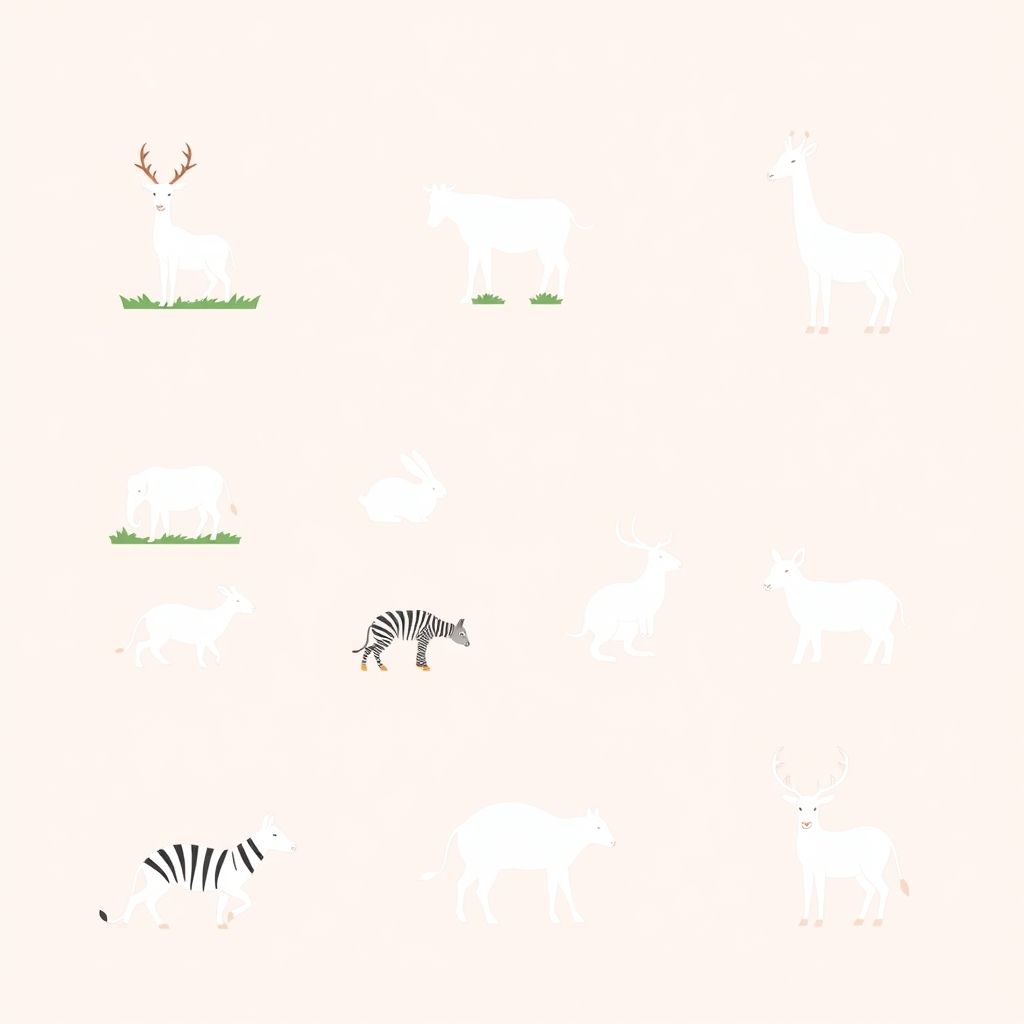
Herbivorous animals play a vital role in ecosystems around the world. These animals primarily feed on plants, leaves, fruits, and other vegetation, helping maintain the balance between plant life and animal populations. Understanding different herbivores is essential for appreciating biodiversity and how various species contribute to their habitats. This topic introduces ten herbivorous animals, highlighting their characteristics, habitats, and dietary preferences, offering insights into their importance in nature.
What Are Herbivorous Animals?
Herbivorous animals are species that obtain their nutrients by consuming plant material. Unlike carnivores, which feed on other animals, and omnivores, which eat both plants and animals, herbivores depend solely on vegetation. Their diets can include leaves, grass, fruits, seeds, flowers, and bark. These animals have evolved specialized digestive systems to efficiently process fibrous plant material, making them crucial for nutrient cycling and seed dispersal.
Adaptations for Herbivory
To thrive on plant-based diets, herbivores have unique adaptations such as flat teeth for grinding leaves, long digestive tracts to break down cellulose, and symbiotic gut bacteria to aid digestion. These features enable them to extract energy and nutrients from tough plant fibers that many other animals cannot digest.
Name 10 Herbivorous Animals
Below are ten notable herbivorous animals, each with distinct features and ecological roles.
- Elephant
- Giraffe
- Zebra
- Koala
- Horse
- Rabbit
- Giant Panda
- Deer
- Manatee
- Capybara
Elephants are the largest land herbivores, found mainly in Africa and Asia. They consume vast quantities of grass, leaves, bark, and fruits daily. Their trunk helps them grasp branches and pick fruits, while their tusks assist in stripping bark from trees. Elephants significantly shape their environment by creating clearings in forests and dispersing seeds through their dung.
Known for their long necks, giraffes feed primarily on leaves from tall trees, especially acacias. Their height allows them to access food sources unavailable to other herbivores, reducing competition. Giraffes have a prehensile tongue to grab leaves and tough lips to handle thorny branches.
Zebras are grass-eating animals native to African savannas and grasslands. Their digestive system is adapted to consume coarse grasses and fibrous plants. Zebras often graze alongside other herbivores, playing a role in maintaining grassland ecosystems by preventing overgrowth.
Koalas are tree-dwelling marsupials native to Australia. They specialize in eating eucalyptus leaves, which are toxic to many other animals. Koalas have a slow metabolism and large cecum that helps detoxify the chemicals in eucalyptus leaves, enabling them to thrive on this exclusive diet.
Horses are domesticated herbivores known for grazing on grasses and hay. They have strong teeth designed for grinding fibrous plant material and a digestive system capable of fermenting tough cellulose. Horses play important roles in agriculture and transportation, but in the wild, they contribute to grassland health.
Rabbits are small mammals that feed on grasses, clover, and leafy weeds. They are known for their ability to reproduce rapidly and serve as prey for many carnivores. Rabbits help control vegetation growth and promote healthy plant regeneration through their grazing habits.
Although pandas are technically bears and can be omnivorous, they are primarily herbivorous, with bamboo making up over 99% of their diet. Native to China, giant pandas have strong jaws and teeth for crushing bamboo stalks. They play an essential role in maintaining bamboo forest ecosystems.
Deer species are widespread and typically feed on a variety of vegetation, including leaves, twigs, fruits, and grasses. Their selective feeding habits can influence forest composition and plant diversity. Deer are prey for many large predators, making them integral to food webs.
Manatees, sometimes called sea cows, are aquatic herbivores that graze on sea grasses and freshwater vegetation. Found in warm coastal waters and rivers, manatees help maintain healthy aquatic ecosystems by preventing overgrowth of vegetation, which can affect water flow and quality.
Capybaras are the largest rodents in the world and live near bodies of water in South America. They feed on grasses and aquatic plants, often grazing in groups. Capybaras contribute to the ecosystem by dispersing seeds and serving as prey for larger predators.
Importance of Herbivorous Animals in Ecosystems
Herbivorous animals are essential components of their ecosystems. By consuming plants, they help control vegetation growth, which maintains habitat balance for other species. Their grazing promotes new plant growth and helps recycle nutrients back into the soil through their waste products. Many herbivores also act as seed dispersers, spreading plant species across large areas and supporting biodiversity.
Herbivores and Food Chains
Herbivores serve as primary consumers in food chains, providing energy to carnivores and omnivores higher up. Their health and population levels can directly influence predator populations and overall ecosystem stability.
Challenges Facing Herbivorous Animals
Despite their ecological importance, many herbivorous species face threats such as habitat loss, poaching, climate change, and competition with livestock. Conservation efforts are critical to protect these animals and the environments they sustain.
Conservation Efforts
Protected areas, wildlife corridors, and anti-poaching laws help safeguard herbivores. Additionally, public education about the role of herbivores promotes coexistence between humans and wildlife.
Herbivorous animals like elephants, giraffes, zebras, koalas, and many others enrich the world’s ecosystems by sustaining plant populations and supporting biodiversity. Their unique adaptations allow them to thrive on a diet solely based on vegetation, making them fascinating subjects of study and important ecological players. Protecting these species is vital for maintaining natural balances and ensuring healthy habitats for future generations.