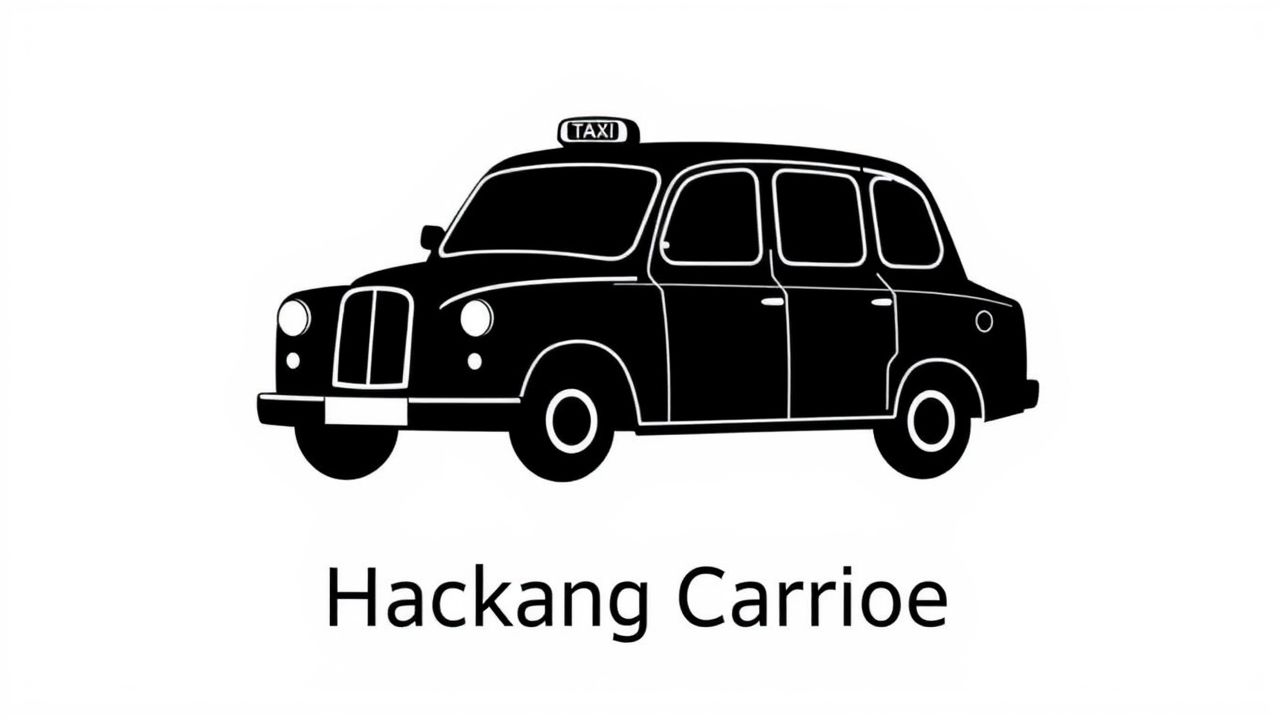
In the bustling streets of London and many other cities across the United Kingdom, the sight of a black taxi is iconic. These vehicles, formally known as hackney carriages, have been a part of the public transport landscape for centuries. While they might seem like just another form of taxi service, hackney carriages are actually steeped in regulation, history, and tradition. Understanding what a hackney carriage is, how it differs from other types of taxis, and the role it plays in urban transportation helps shed light on a fascinating element of British culture.
Definition of a Hackney Carriage
A hackney carriage is a type of vehicle licensed to carry passengers for hire. These vehicles are legally allowed to pick up passengers without a prior booking, making them distinct from private hire vehicles (also known as minicabs). Hackney carriages can be hailed on the street or hired at designated taxi ranks, offering flexibility and convenience to the public.
The term hackney originates from the old English word hacquenée, which referred to a horse that could be hired. Over time, it evolved to describe horse-drawn carriages for hire in the 17th century and later transitioned to motorized vehicles. Today, the term is primarily used in the UK to refer to traditional black cabs and similar vehicles that meet specific standards and are regulated by local authorities.
Key Characteristics of Hackney Carriages
- Licensed by local authorities: Hackney carriages must be registered and approved by a city’s governing body. In London, this responsibility lies with Transport for London (TfL).
- Distinct appearance: Most hackney carriages are black, although they can be other colors. They are usually designed for easy wheelchair access and have a distinctive shape.
- Metered fares: The fare is calculated by a meter and set according to local tariff regulations, ensuring transparency and fairness for both driver and passenger.
- Hail and rank service: Unlike private hire vehicles, hackney carriages can legally pick up passengers without a booking.
Historical Background
Hackney carriages have a long and storied history. Their origin dates back to the early 1600s when horse-drawn carriages for hire began to appear in London. By the mid-17th century, King Charles I issued the first official licenses for these carriages. As the city grew, so did the number of hackney carriages, eventually evolving into motor vehicles in the early 20th century.
One of the most significant changes came with the introduction of the Austin FX3 in the late 1940s, followed by the more famous FX4 model in the 1950s. These vehicles became synonymous with London’s black cab image. Over the years, hackney carriages have modernized while retaining many traditional features, including the spacious interior, turning circle required for navigating tight city streets, and accessibility standards.
Differences Between Hackney Carriages and Private Hire Vehicles
Understanding the distinction between hackney carriages and private hire vehicles is crucial for passengers. Here are some of the key differences:
- Booking requirements: Hackney carriages do not require a prior booking, while private hire vehicles must be pre-booked through a licensed operator.
- Insurance and licensing: Both types of vehicles must meet insurance and licensing requirements, but hackney carriages undergo more rigorous testing and regulation.
- Training: Hackney carriage drivers, especially in London, must pass a challenging knowledge test covering thousands of streets and landmarks. This is known as The Knowledge.
- Vehicle standards: Hackney carriages must meet strict accessibility and safety standards, including wheelchair accessibility and partitioned seating areas.
Modern Use and Technological Advancements
In the digital age, hackney carriages have adapted to remain competitive. Many now accept contactless payments, are integrated into app-based platforms, and offer hybrid or electric versions to meet environmental goals. London’s push for cleaner air has led to initiatives promoting zero-emission capable (ZEC) taxis, encouraging drivers to switch to greener models.
While ride-hailing services like Uber have changed the transport industry, hackney carriages still maintain a loyal user base, particularly among those who value safety, reliability, and local knowledge. Their legal ability to pick up passengers without pre-booking remains a significant advantage in busy urban areas.
Challenges Facing the Industry
Despite their iconic status, hackney carriages face various challenges. The rise of app-based ride services has increased competition, often with lower fares and greater convenience. Additionally, the cost of acquiring and maintaining a licensed cab, along with the rigorous training required, deters some from entering the profession.
Regulatory burdens and changing city infrastructure also pose difficulties. Many city centers are becoming less accessible to vehicles due to pedestrianization, congestion charges, and environmental restrictions. These changes require drivers and companies to continuously adapt.
The Role of Hackney Carriages in Urban Transport
Hackney carriages continue to play a vital role in urban mobility. They provide essential services for residents, tourists, and individuals with disabilities. Their ability to operate without prior booking makes them especially useful during peak times, emergencies, or when other transport options are unavailable.
Local governments also recognize their importance in the broader transport network. Hackney carriage drivers often serve as informal ambassadors for the city, offering helpful advice and safe passage to those unfamiliar with the area. Their reliability and regulatory oversight make them a trusted choice for many.
Licensing and Driver Requirements
Becoming a hackney carriage driver involves several steps. In most UK cities, applicants must:
- Be at least 21 years old
- Hold a valid UK driver’s license for a minimum period (usually one year)
- Pass a medical examination
- Complete an enhanced background check
- Pass a local knowledge test (especially rigorous in London)
Once licensed, drivers must adhere to professional standards and renew their licenses periodically. Vehicles are also subject to frequent inspections to ensure they meet legal and safety requirements.
The hackney carriage is more than just a means of transport; it is a symbol of tradition, reliability, and public service. Its unique place in the transport system offering metered fares, hailing rights, and accessibility sets it apart from other forms of taxis. While the industry faces modern pressures from technological and economic changes, hackney carriages continue to serve a vital role in cities across the UK.
For anyone visiting or living in a British city, taking a ride in a hackney carriage is not only practical but also a small taste of local heritage. As these vehicles evolve with the times, they remain an enduring element of the urban experience, balancing historical roots with the demands of the modern world.