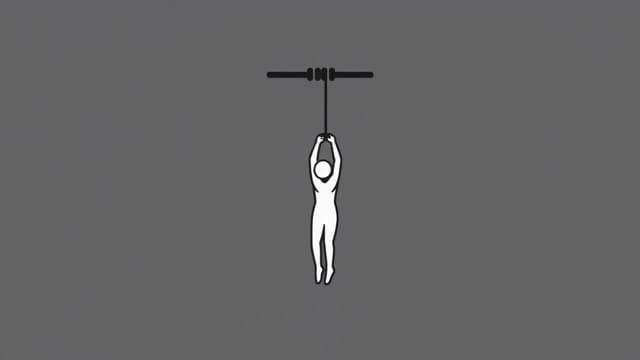
Throughout history, the concept of justice and punishment has taken many grim forms. One such chilling method of public execution and post-mortem punishment was the practice of hanging from a gibbet. The image of a body suspended in a cage or from a wooden frame was once a common sight across Europe and colonial America. More than just a form of punishment, gibbeting was intended to serve as a brutal warning to the public about the consequences of crime. Understanding what it means to hang from a gibbet involves examining the historical context, purpose, and method behind this infamous form of execution and display.
What Is a Gibbet?
A gibbet was a gallows-like structure used either to execute criminals by hanging or to display the bodies of the executed. Typically made of wood or iron, it often consisted of a tall post with an arm or cage extending from it. In some cases, the body of the condemned was placed in an iron cage and hung up for extended periods even years to rot and be picked at by birds.
Hanging from a gibbet did not always mean execution. In many instances, the person had already been hanged or executed by other means, and the gibbet served as a place to display their corpse. This practice, known as post-mortem gibbeting, was especially popular in 18th-century England and Scotland.
Origins of Gibbeting
The use of gibbets dates back to medieval Europe. It was a way for authorities to reinforce their power and deter others from committing similar crimes. The most common crimes that led to gibbeting included piracy, highway robbery, and murder. In Britain, the practice gained legal legitimacy with the 1752 Murder Act, which allowed judges to order the bodies of murderers to be either dissected or hung in chains (gibbeted).
The Process of Gibbeting
When someone was sentenced to hang from a gibbet, the process was carefully choreographed. First, the execution would be carried out often by hanging. Then, the body would be encased in a metal cage or wrapped in chains. It would be transported to a chosen public location, often near the site of the crime or along a busy road, and suspended from the gibbet.
The body might remain there for weeks, months, or even years. As it decayed, it became a horrifying and unforgettable sight. The message was clear: crime leads to disgrace and dishonor, even after death.
Locations and Public Reaction
Gibbets were usually erected in high-traffic areas. Coastal towns placed them near harbors to warn would-be pirates. Cities built them near crossroads or entrances to serve as reminders to everyone entering or leaving. In some places, gibbets became part of the landscape, and locals referred to them in place names such as Gibbet Hill.
Reactions to gibbeting were mixed. Authorities viewed it as an effective deterrent, while others found it gruesome and repugnant. In time, public sensibilities began to shift. The macabre spectacle became increasingly unacceptable, leading to the decline of the practice by the early 19th century.
Famous Cases of Gibbeting
Several well-documented cases illustrate the impact and horror of being hanged from a gibbet:
- William Jobling (1832): One of the last men gibbeted in England, Jobling was a miner who murdered a magistrate. His body was hung in chains near Jarrow Slake and remained there until removed by friends.
- Captain William Kidd (1701): The infamous pirate was executed and his body was gibbeted along the Thames as a deterrent to piracy.
- John Breads (1747): Executed for murder in Rye, England, Breads’s body was displayed in a gibbet cage for over twenty years.
Symbolism and Cultural Impact
Hanging from a gibbet symbolized complete social and moral ruin. It was not only a physical punishment but a posthumous attack on a person’s dignity. Gibbeting served to remove any chance of burial rites or remembrance with honor. Families of the gibbeted often suffered lasting shame and stigma.
The haunting imagery of bodies suspended in iron cages entered folklore, art, and literature. It appeared in ballads, plays, and even nursery rhymes. It became a symbol of both justice and cruelty, showing the extremes that legal systems would go to in pursuit of order.
The End of Gibbeting
By the mid-19th century, hanging from a gibbet had largely disappeared. Growing public opposition, combined with changing views on punishment, led to its abolition. In England, the practice ended officially in 1834. The rise of prison systems and formalized capital punishment made such displays obsolete.
Medical science also played a role. As dissection for medical study became more accepted and needed, the bodies of executed criminals were increasingly sent to medical schools instead of being displayed on gibbets.
Modern Perspectives
Today, the idea of gibbeting is looked upon with horror and fascination. It serves as a powerful reminder of how public punishment was once central to legal systems. While it may seem barbaric now, gibbeting was once viewed as a practical and symbolic form of justice.
Historians examine gibbeting not only for what it tells us about crime and punishment, but also for what it reveals about public values, fear, and the performance of power by ruling institutions. Museums occasionally display gibbet cages or artistic renderings to educate the public about this brutal chapter of history.
To hang from a gibbet was to suffer a punishment beyond death. It was a sentence not just of execution but of disgrace, public scorn, and erasure from honorable memory. The gibbet turned the criminal’s body into a lasting message: this is what happens when you defy the law. Though the practice has long faded into history, its legacy endures in language, culture, and cautionary tales. Gibbeting remains one of the most striking examples of justice through spectacle a reminder that how we treat the dead speaks volumes about the living.