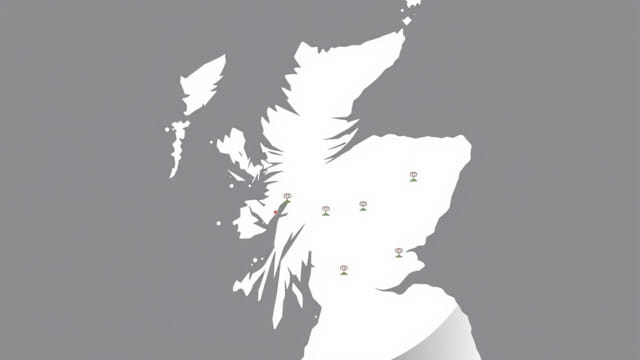
Throughout Scotland’s long and rich history, burghs played a crucial role in shaping local governance, trade, and urban development. A burgh was a chartered town or settlement with special rights granted by the crown or parliament, often including the power to hold markets, collect tolls, and govern themselves through elected councils. These towns became vital centers of commerce and civic life. Many Scottish burghs, especially those established during the medieval and early modern periods, remain key towns today, with deep historical significance and unique cultural identities.
Understanding the Concept of Burghs
Origins and Legal Foundation
Burghs were first established during the reign of David I of Scotland in the 12th century. The king granted royal charters to certain towns, giving them the right to govern themselves and trade freely. These rights formed the basis of what became known as burgh privileges, separating burghs from ordinary villages and hamlets.
Types of Burghs
- Royal Burghs: Established directly by the monarch and given rights to trade both locally and internationally.
- Burghs of Regality: Granted to powerful nobles or churchmen, allowing them to control certain towns.
- Burghs of Barony: Created by barons with limited self-governance and local trade rights.
Each category came with its own administrative structures and levels of autonomy, which greatly influenced the development of the towns involved.
Historical Importance of Scottish Burghs
Burghs became the core of Scottish urban life. They hosted markets, fairs, and served as local seats of justice. They also became centers of political representation and were often pivotal in events like the Scottish Reformation, the Jacobite uprisings, and the Industrial Revolution.
Administrative and Political Roles
Burgh councils managed public works, infrastructure, trade regulations, and policing. These councils were early models of democratic governance, with town officials often elected by residents or guild members.
Economic Contributions
Many burghs were strategically located near rivers, coasts, or crossroads. They facilitated the exchange of goods such as wool, fish, salt, and textiles critical to Scotland’s economic prosperity.
List of Notable Burghs in Scotland
Royal Burghs
The following towns were historically royal burghs with trading privileges and local authority:
- Edinburgh Scotland’s capital, known for its political importance and cultural heritage.
- Aberdeen A major port and center of North Sea trade and later oil economy.
- Stirling Strategically located near the River Forth, with rich military history.
- Perth Once considered the capital of medieval Scotland, located on the River Tay.
- Dundee A textile and industrial hub, particularly during the 19th century.
- Inverness Known as the capital of the Highlands.
- Elgin A royal burgh since 1136, located in Moray.
- Lanark One of the oldest royal burghs, linked to William Wallace.
Other Important Burghs
Many other burghs, though not royal, played significant roles in Scottish history:
- Kirkcaldy A major linoleum manufacturing center in Fife.
- Falkirk Located near key battlefields and canal networks.
- Dumfries Known as the final resting place of poet Robert Burns.
- Arbroath Site of the Declaration of Arbroath and a key fishing town.
- Rothesay Located on the Isle of Bute, a popular Victorian resort town.
Decline and Reform of the Burgh System
By the 19th century, the original burgh structure began to face criticism for corruption and inefficiency. Reforms began with the Burgh Reform Act of 1833, which introduced elected councils and better administrative systems. Further changes followed with the Local Government (Scotland) Act 1973, which effectively abolished burghs as legal units in 1975.
Modern Administrative Legacy
Although burghs no longer exist in law, their names and heritage persist in town names, civic traditions, and local identity. Former burgh councils formed the basis for district councils and local government units seen today.
Burgh Culture and Identity Today
Many Scots still take pride in their town’s burgh heritage. Historic burgh buildings, such as tolbooths, market crosses, and town halls, continue to serve as community landmarks. Annual events, fairs, and civic rituals often reflect centuries-old customs rooted in burgh traditions.
Preserved Architecture and Records
- Burgh archives are rich sources for genealogists and historians.
- Burgh records document town council decisions, economic transactions, and legal disputes.
- Iconic townhouses, clock towers, and medieval street layouts reflect burgh planning.
The list of burghs in Scotland represents more than just a catalog of towns it reflects the historical evolution of Scottish urban society. These towns were centers of law, trade, governance, and community life for centuries. Though modern administrative reforms have replaced the original burgh system, the influence of burghs remains woven into the identity of Scottish towns and cities. Whether through preserved architecture, civic pride, or local traditions, the legacy of burghs continues to define Scotland’s historic and cultural landscape.