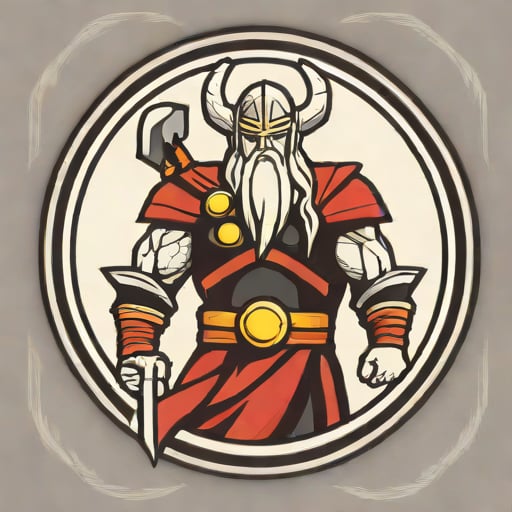
The legend of Thor has captivated audiences for centuries, intertwining myth, heroism, and the grandeur of Norse mythology. One of the most fascinating aspects of these tales is Valhalla, the majestic hall of the slain, where warriors chosen by Odin are said to reside after death. Thor, the Norse god of thunder, is often depicted as a mighty protector of gods and humans alike, wielding his legendary hammer, Mjölnir, against giants and other threats. The stories surrounding Thor and Valhalla are rich with symbolism, adventure, and moral lessons, reflecting the values and culture of the Norse people who first told them. These myths continue to inspire modern media, including literature, films, and video games, allowing new generations to explore the heroics and divine realms of Thor.
Origins of Thor in Norse Mythology
Thor is one of the most prominent figures in Norse mythology, known for his immense strength, courage, and loyalty. He is the son of Odin, the All-Father, and the earth goddess Jord, making him a figure connected both to the divine and to the natural world. Thor’s hammer, Mjölnir, symbolizes protection and power, capable of destroying giants and safeguarding Asgard, the realm of the gods. Legends portray Thor as a defender against chaos, maintaining order in a universe often threatened by powerful giants and supernatural forces.
The Role of Thor in Norse Culture
For the Norse people, Thor was more than a mythological figure; he was a symbol of strength, protection, and resilience. Farmers, warriors, and ordinary individuals would invoke Thor’s name in prayers for protection against natural disasters, enemies, and misfortune. Celebrations and rituals often honored Thor, reflecting his importance in daily life and the belief that divine intervention could ensure safety, success, and prosperity. His tales emphasized the virtues of bravery, loyalty, and justice, creating a moral framework for followers of Norse traditions.
Valhalla The Hall of the Slain
Valhalla is a central element in Norse mythology, often described as a grand, golden hall located in Asgard. Warriors who die heroically in battle are chosen by Odin to reside in Valhalla, where they spend eternity preparing for Ragnarök, the ultimate battle between gods and giants. The hall is depicted as a place of honor, feasting, and eternal training, where the bravest warriors live in glory and camaraderie. Thor, while not a resident of Valhalla himself, is closely associated with the warriors and gods who defend the realms, often interacting with those honored in the hall.
Features of Valhalla
- The HallValhalla is said to have a roof made of golden shields and walls adorned with spears, reflecting the martial nature of its inhabitants.
- Endless FeastingWarriors in Valhalla enjoy limitless feasts, often served by Valkyries, divine maidens who select the fallen from battlefields.
- Daily BattlesIn preparation for Ragnarök, the inhabitants of Valhalla train and fight daily, experiencing both combat and camaraderie.
- Immortality and GloryThose in Valhalla are granted eternal life, honor, and the joy of serving alongside legendary heroes.
Thor’s Adventures and Battles
Thor’s legendary exploits are central to Norse mythology, demonstrating his role as a protector of both gods and humans. He frequently confronts giants, trolls, and other supernatural beings threatening Asgard or Midgard, the realm of humans. Stories often highlight his intelligence, strategic thinking, and unwavering courage, alongside his physical strength. Whether defending the Bifrost bridge, battling frost giants, or recovering stolen divine artifacts, Thor’s adventures are both entertaining and morally instructive, reinforcing ideals of heroism and duty.
Significant Myths Involving Thor
- Thor and the Midgard SerpentOne of the most famous tales describes Thor’s confrontation with Jörmungandr, the colossal serpent encircling the world. This battle symbolizes the eternal struggle between order and chaos.
- The Theft of MjölnirWhen giants steal Thor’s hammer, he embarks on a daring quest to retrieve it, demonstrating courage, cunning, and resourcefulness.
- Thor’s Journeys to UtgardIn his encounters with the giants of Utgard, Thor faces challenges that test not only his strength but his wisdom, patience, and humility.
Connection Between Thor and Valhalla
While Valhalla is reserved for mortal warriors chosen by Odin, Thor’s connection to the hall is significant. As a protector of Asgard, Thor interacts with the brave souls who inhabit Valhalla, ensuring that the realms remain safe from threats. The tales emphasize the interdependence of gods and humans in Norse cosmology, illustrating a world where divine power supports and inspires mortal bravery. Thor’s association with Valhalla also highlights the ideals of heroism and honor that define the lives of the chosen warriors.
Thor’s Influence on Mortal Heroes
Mortal warriors admired and revered Thor for his strength and bravery. By embodying virtues such as courage, loyalty, and determination, Thor served as a role model for those aspiring to achieve honor in battle. The connection between Thor and Valhalla underscores the belief that divine influence and mortal action are intertwined, inspiring warriors to fight valiantly and live by codes of integrity and courage.
Modern Adaptations and Cultural Impact
The legend of Thor and the mythology of Valhalla continue to resonate in modern culture. Literature, films, comics, and video games often reinterpret these myths, making them accessible to contemporary audiences. Marvel Comics, for instance, has popularized Thor as a superhero, blending traditional myths with modern storytelling. Video games such as Assassin’s Creed Valhalla explore the world of Norse mythology, allowing players to experience the adventures, battles, and legends associated with Thor and Valhalla.
Influence on Art and Media
- LiteratureMany novels and poems draw inspiration from Thor’s heroics and the concept of Valhalla, exploring themes of courage, honor, and destiny.
- FilmsMovies depict Thor’s epic battles, divine relationships, and heroic journeys, bringing the myths to a global audience.
- Video GamesInteractive experiences allow players to engage directly with the myths, embodying Thor or exploring Valhalla, blending education with entertainment.
- Art and IllustrationThor and Valhalla have been immortalized in paintings, digital art, and sculptures, emphasizing the enduring appeal of these legendary figures.
The legend of Thor and the grandeur of Valhalla reflect the enduring power of Norse mythology. Thor embodies strength, courage, and protection, while Valhalla represents honor, glory, and eternal camaraderie among warriors. These myths have transcended centuries, continuing to inspire stories, art, and media across cultures. By exploring Thor’s adventures, battles, and connection to Valhalla, audiences gain insight into Norse beliefs, values, and imagination. Today, the legend of Thor serves as a timeless symbol of heroism, divine power, and the eternal pursuit of honor and valor, ensuring that the tales of gods, warriors, and mythical halls continue to captivate and educate for generations to come.