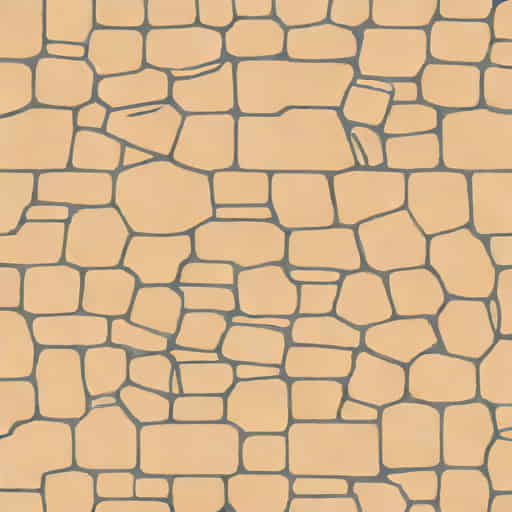
Knockdown wall texture is a popular wall finishing technique that adds depth, dimension, and a unique aesthetic to interior walls. Known for its subtle, mottled appearance, this texture is often used in residential and commercial spaces to create a visually appealing and low-maintenance wall surface. Unlike plain painted walls, knockdown texture provides character and can help hide minor imperfections, making it an ideal choice for new constructions as well as renovation projects. The technique involves applying joint compound or drywall mud to the wall, allowing it to partially dry, and then knocking down the peaks with a trowel or drywall knife to achieve a smooth, artistic finish. Its versatility, durability, and cost-effectiveness have made knockdown wall texture a preferred choice for homeowners, designers, and contractors alike.
Understanding Knockdown Wall Texture
Knockdown wall texture, sometimes referred to as a flattened or skip trowel texture, is a finishing style that balances a textured surface with a smooth appearance. The technique begins with the application of a thick layer of joint compound or texture mix, which is often sprayed onto the wall using a hopper gun or applied manually with a trowel. Once the compound begins to set, a wide drywall knife or trowel is lightly dragged across the surface, flattening the peaks while leaving subtle high and low areas. This creates a mottled, artistic finish that is both visually appealing and functional.
The popularity of knockdown wall texture lies in its ability to add dimension without overwhelming the space. It is often chosen for living rooms, bedrooms, hallways, and ceilings, providing a stylish backdrop that complements various interior design styles. The technique is suitable for both small and large areas, and it can be painted over with any color to match the overall aesthetic of the room.
Benefits of Knockdown Wall Texture
Knockdown wall texture offers several advantages that make it a practical and attractive option for interior walls
- Hides ImperfectionsThe texture can conceal minor wall imperfections, such as small dents, cracks, or uneven drywall, reducing the need for extensive prep work.
- Visual AppealKnockdown texture adds depth and dimension to walls, creating an artistic, elegant, and professional look.
- Durable FinishThe textured surface is resistant to minor wear and tear, making it ideal for high-traffic areas.
- VersatilityIt works well with various painting styles, including flat, satin, or semi-gloss finishes, and can be customized to achieve different levels of texture.
- Cost-EffectiveCompared to other decorative wall treatments, knockdown texture is relatively affordable, especially when applied over existing drywall.
Materials and Tools Needed
Applying knockdown wall texture requires a few essential materials and tools, which are readily available at most hardware stores. The primary material is joint compound or drywall mud, which can be purchased pre-mixed or in powder form for on-site preparation. A hopper gun or trowel is used for application, while a wide drywall knife or knockdown knife is needed to flatten the texture. Additional tools may include painter’s tape, drop cloths, and sanding tools to ensure a clean and professional finish.
The choice of joint compound and tools can affect the final texture, so it is important to select high-quality products. Lightweight joint compound is often preferred for ease of application, and a 12-inch or wider knockdown knife provides better control when flattening the peaks. Safety equipment, such as goggles and masks, is recommended to protect against dust and airborne ptopics during the process.
Step-by-Step Application Process
Creating a knockdown wall texture involves several steps that require patience and attention to detail. Here is a general overview of the process
- Prepare the WallClean the surface and repair any major imperfections. Apply primer if necessary to ensure proper adhesion of the texture.
- Mix the CompoundPrepare joint compound to the desired consistency. It should be thick enough to hold peaks but thin enough to spread easily.
- Apply the TextureUse a hopper gun or trowel to apply the compound evenly across the wall. For a more organic look, apply in random patterns rather than uniform strokes.
- Let it SetAllow the compound to partially dry, usually for 10 to 15 minutes, until the peaks are firm but not completely hardened.
- Knock Down the PeaksUse a wide drywall knife to gently flatten the peaks, creating the signature mottled finish.
- Dry and SandAllow the texture to fully dry, then lightly sand any sharp or rough spots for a smooth appearance.
- PaintApply primer and paint in the color of your choice to complete the look.
Design Variations
Knockdown wall texture is highly versatile, allowing for a range of creative variations. Adjusting the thickness of the joint compound, the timing of the knockdown, and the size of the trowel can produce different effects. Some variations include
- Light KnockdownCreates a subtle texture with minimal peaks, ideal for contemporary spaces.
- Heavy KnockdownFeatures more pronounced peaks and valleys, providing a rustic or dramatic effect.
- Ceiling KnockdownApplied to ceilings to reduce glare and add visual interest, often in conjunction with crown molding.
- Custom PatternsTexture can be applied in specific patterns or designs for accent walls or feature areas.
Maintenance and Longevity
One of the practical benefits of knockdown wall texture is its low maintenance. The textured surface is durable and can withstand minor scratches, dents, and scuffs better than flat walls. Regular cleaning with a damp cloth or mild detergent is usually sufficient to maintain its appearance. In high-traffic areas, occasional touch-ups may be necessary to preserve the aesthetic. With proper care, knockdown wall texture can last for many years, maintaining both its decorative and functional qualities.
Applications in Interior Design
Knockdown wall texture is suitable for a variety of interior design applications. It is commonly used in living rooms, bedrooms, hallways, and ceilings to add visual interest and depth. Designers often choose knockdown texture for feature walls, accent areas, or spaces where a subtle decorative effect is desired. Its ability to complement different paint finishes and styles makes it a versatile choice for modern, traditional, and transitional interiors.
In addition to aesthetics, knockdown texture provides practical benefits in concealing imperfections and creating a more durable surface. Its combination of beauty and functionality has made it a favorite among homeowners, interior designers, and professional contractors.
Knockdown wall texture is an effective, versatile, and visually appealing technique that enhances the look and durability of interior walls. By combining joint compound application with a careful knockdown process, this texture creates a unique finish that can complement various design styles while hiding minor wall imperfections. Its benefits include durability, low maintenance, cost-effectiveness, and creative flexibility, making it suitable for both residential and commercial spaces. With proper materials, tools, and technique, homeowners and contractors can achieve a professional-quality knockdown texture that adds depth, character, and style to any room. Whether used on walls or ceilings, for subtle or dramatic effects, knockdown wall texture remains a timeless choice for enhancing interior spaces.