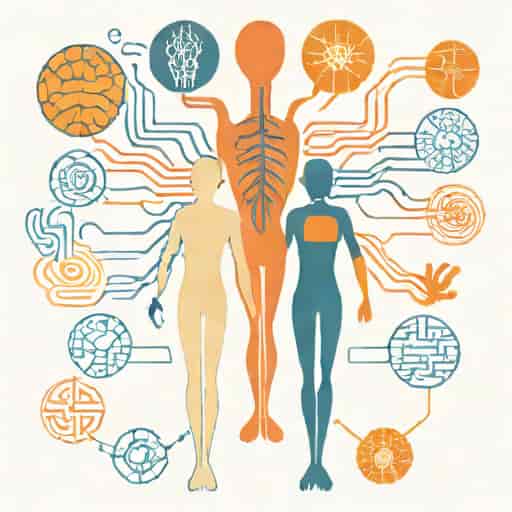
The human nervous system is a complex network responsible for controlling and coordinating every function of the body, from voluntary movements to involuntary processes like heartbeat and digestion. Among its many components, the sympathetic nervous system often draws attention because of its role in preparing the body for action in stressful situations. A common question that arises among students, medical enthusiasts, and the general public is whether the sympathetic nervous system is part of the autonomic nervous system. Understanding this relationship is crucial for comprehending how the body responds to stress, maintains homeostasis, and regulates involuntary functions. This topic will explain in detail the structure, function, and significance of the sympathetic nervous system, its connection to the autonomic nervous system, and the practical implications for health and well-being.
Overview of the Autonomic Nervous System
The autonomic nervous system, often abbreviated as ANS, is the part of the nervous system that controls involuntary bodily functions. These are activities that occur automatically without conscious effort, such as the regulation of heart rate, digestion, respiratory rate, and pupil dilation. The ANS ensures that the body maintains internal stability, a state known as homeostasis, despite changes in the external environment.
Divisions of the Autonomic Nervous System
The ANS is divided into two main branches the sympathetic nervous system and the parasympathetic nervous system. Each division has distinct functions but works together to maintain a balance in bodily functions.
- Sympathetic nervous systemPrepares the body for fight or flight responses during stressful or emergency situations.
- Parasympathetic nervous systemPromotes rest and digest functions, conserving energy and supporting recovery and repair.
These two systems act in opposition to each other to regulate organ function efficiently. For example, while the sympathetic system increases heart rate, the parasympathetic system slows it down, depending on the needs of the body at any given moment.
What Is the Sympathetic Nervous System?
The sympathetic nervous system is a subdivision of the autonomic nervous system. It is primarily responsible for the body’s rapid involuntary response to dangerous or stressful situations. This response is often called the fight or flight response, and it prepares the body to either confront or escape a threat. The sympathetic nervous system achieves this by triggering various physiological changes that increase alertness, strength, and speed.
Functions of the Sympathetic Nervous System
The sympathetic nervous system has several key functions that help the body respond effectively to stress
- Increases heart rateThe sympathetic system stimulates the heart to beat faster, ensuring that oxygen and nutrients reach vital organs and muscles quickly.
- Dilates airwaysBy widening the bronchi in the lungs, it allows more oxygen to enter the bloodstream.
- Redistributes blood flowBlood is diverted from non-essential organs like the digestive system to skeletal muscles, preparing the body for rapid physical action.
- Releases energyGlycogen is broken down into glucose in the liver, providing immediate energy for muscles.
- Dilates pupilsThis improves vision and awareness in threatening situations.
- Inhibits non-essential functionsFunctions like digestion and salivation are temporarily reduced to conserve energy for immediate survival needs.
How the Sympathetic Nervous System Works
The sympathetic nervous system operates through a network of neurons that extend from the spinal cord to various organs. Preganglionic neurons originate in the thoracic and lumbar regions of the spinal cord and synapse with postganglionic neurons in sympathetic ganglia. These postganglionic neurons then transmit signals to target organs, releasing neurotransmitters like norepinephrine and epinephrine to trigger physiological changes.
Sympathetic Activation and the Fight-or-Flight Response
When the body perceives a threat, the hypothalamus in the brain activates the sympathetic nervous system. This leads to a cascade of reactions
- Increased heart rate and blood pressure
- Rapid breathing and dilation of bronchi
- Heightened mental alertness and sensory perception
- Redirection of blood to major muscle groups
- Release of glucose for immediate energy
These changes prepare the body to respond quickly and efficiently to danger. While the parasympathetic system restores balance after the threat has passed, the sympathetic system ensures survival during emergencies.
Sympathetic Nervous System and the Autonomic Nervous System Relationship
Since the sympathetic nervous system is a subdivision of the autonomic nervous system, it is accurate to say that it is autonomic in nature. The term autonomic refers to involuntary control, meaning the processes managed by the sympathetic nervous system occur without conscious thought. While the sympathetic system activates the body during stress, the parasympathetic system counterbalances it during relaxation. Together, they maintain homeostasis by modulating the activity of internal organs based on the body’s needs.
Differences Between Sympathetic and Parasympathetic Systems
- SympatheticActivates fight-or-flight responses, increases heart rate, dilates pupils, inhibits digestion.
- ParasympatheticPromotes rest-and-digest functions, decreases heart rate, constricts pupils, stimulates digestion.
Despite their opposing actions, both systems are essential components of the autonomic nervous system, highlighting the importance of balance in regulating involuntary bodily functions.
Clinical Significance of the Sympathetic Nervous System
Understanding the sympathetic nervous system has practical implications in medicine and healthcare. Dysregulation of this system can lead to various health issues, including hypertension, anxiety disorders, and abnormal stress responses. Treatments may involve medications that modulate sympathetic activity, lifestyle interventions to reduce chronic stress, or biofeedback techniques to improve autonomic balance.
Examples of Sympathetic Nervous System Disorders
- Overactive sympathetic response leading to chronic anxiety or panic attacks
- Excessive blood pressure due to increased sympathetic tone
- Autonomic dysreflexia, a condition often seen in spinal cord injury patients
- Pheochromocytoma, a tumor that increases catecholamine release, overstimulating the sympathetic system
Understanding these conditions emphasizes why knowledge of the sympathetic nervous system is important not only for academic purposes but also for clinical practice and everyday health management.
In summary, the sympathetic nervous system is indeed part of the autonomic nervous system. It is responsible for involuntary responses that prepare the body for stress or danger, known as the fight-or-flight response. Working in tandem with the parasympathetic nervous system, it helps maintain homeostasis and ensures the body responds appropriately to changing environmental conditions. Recognizing the functions and mechanisms of the sympathetic nervous system provides valuable insight into human physiology, stress management, and clinical health. By understanding how this system operates, individuals and healthcare professionals can better appreciate its role in maintaining the delicate balance of the body’s involuntary functions.